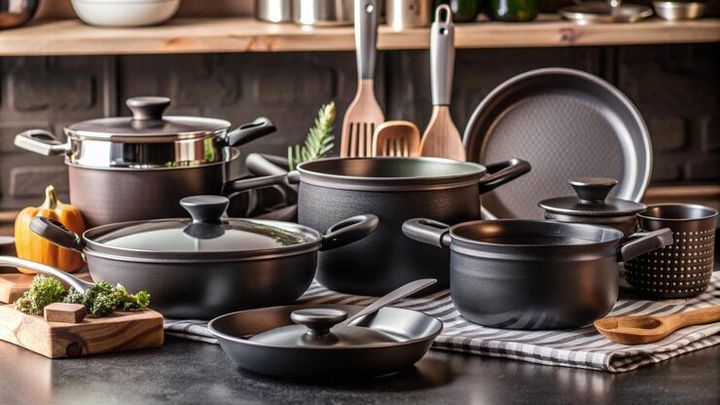
The purpose of cooking equipment is to make food preparation safer, faster, and more efficient. Each tool serves a specific function, whether it is chopping vegetables, measuring ingredients, or controlling cooking temperatures. A well-equipped kitchen helps improve consistency in cooking and supports a variety of recipes and techniques.
Today, cooking equipment is designed not only for functionality but also for ease of use and safety. Materials such as non-stick coatings, heat-resistant plastics, and durable metals are commonly used to enhance performance and durability.
Why Cooking Equipment Matters in Modern Kitchens
Cooking equipment plays an important role in daily life, especially as more people focus on home-cooked meals. It affects how efficiently meals are prepared and how safe the cooking process is. Proper tools can reduce preparation time, improve food quality, and minimize the risk of kitchen accidents.
Different groups benefit from having the right cooking tools:
-
Home cooks gain convenience and better results
-
Families benefit from healthier meal preparation
-
Students and beginners find it easier to learn cooking skills
-
Professionals rely on precision and efficiency
Using unsuitable or low-quality equipment can lead to uneven cooking, food waste, and even safety hazards such as burns or cuts. For example, a dull knife requires more force and increases the risk of injury, while improper cookware can affect heat distribution.
In recent years, there has been a growing focus on energy efficiency and sustainability. Many households now prefer equipment that consumes less energy and supports eco-friendly cooking practices.
Recent Trends and Updates in Cooking Equipment
The cooking equipment industry has seen several updates and trends between 2024 and early 2026. These changes reflect advancements in technology, environmental awareness, and changing consumer habits.
One major trend is the rise of smart kitchen appliances. Devices such as smart ovens and connected cooking systems allow users to control temperature and cooking time through mobile apps. As of 2025, many appliances now include built-in sensors for precise cooking.
Another important trend is the use of eco-friendly materials. Manufacturers are increasingly producing cookware made from recycled metals and non-toxic coatings. This shift supports environmental sustainability and reduces exposure to harmful chemicals.
There has also been growth in multi-functional kitchen tools. Appliances that combine multiple functions, such as air fryer ovens and blender-food processor combinations, are becoming more common. These tools help save space and improve efficiency.
Additionally, the demand for compact and modular kitchen equipment has increased, especially in urban areas where kitchen space is limited. Lightweight and stackable tools are gaining popularity.
In 2024–2025, safety standards have been updated in several regions, requiring better insulation, improved handles, and automatic shut-off features in electrical appliances.
Regulations and Safety Guidelines for Cooking Equipment
Cooking equipment is influenced by safety regulations and quality standards set by governments and regulatory bodies. These rules ensure that products used in kitchens are safe, durable, and suitable for food preparation.
In many countries, cooking appliances must meet electrical safety standards and energy efficiency guidelines. For example:
-
Electrical appliances must comply with certified safety testing
-
Materials used in cookware must be food-safe and non-toxic
-
Labels must provide clear usage and maintenance instructions
In India, kitchen appliances are often required to follow standards set by organizations such as the Bureau of Indian Standards (BIS). These guidelines help ensure that products are tested for durability, safety, and performance.
There are also global regulations related to food contact materials. These rules limit the use of harmful substances like lead or certain chemicals in cookware coatings.
Consumers are encouraged to:
-
Check certification labels before using equipment
-
Follow manufacturer instructions carefully
-
Maintain equipment regularly to avoid hazards
Adhering to these guidelines helps create a safer and more reliable cooking environment.
Essential Cooking Tools and Helpful Resources
A well-organized kitchen typically includes a combination of basic tools and specialized equipment. The following table outlines common cooking tools and their primary uses:
| Tool Category | Examples | Purpose |
|---|
| Cutting Tools | Chef’s knife, peeler | Cutting and preparing ingredients |
| Cookware | Frying pan, saucepan | Cooking food on heat |
| Baking Equipment | Baking tray, mixing bowl | Preparing baked items |
| Measuring Tools | Measuring cups, spoons | Accurate ingredient measurement |
| Appliances | Blender, microwave | Speed and convenience |
In addition to physical tools, several digital resources can support cooking activities:
-
Recipe platforms for step-by-step cooking instructions
-
Kitchen timer apps for accurate cooking time
-
Nutritional calculators to track food intake
-
Meal planning templates for organizing weekly meals
Modern kitchens often combine traditional tools with digital resources to improve efficiency and accuracy.
Common Questions About Cooking Equipment
What are the most essential tools for beginners?
Basic tools include a chef’s knife, cutting board, frying pan, saucepan, and measuring cups. These items cover most everyday cooking needs and help build foundational skills.
How often should cooking equipment be replaced?
The lifespan depends on the material and usage. For example, non-stick pans may need replacement every few years, while stainless steel cookware can last much longer with proper care.
Is non-stick cookware safe to use?
Modern non-stick cookware is generally safe when used according to instructions. Avoid overheating and using metal utensils, as these can damage the coating.
What is the difference between cookware and kitchen tools?
Cookware refers to items used directly on heat, such as pots and pans. Kitchen tools include utensils like knives, spatulas, and measuring devices used during preparation.
How can cooking equipment be maintained properly?
Regular cleaning, proper storage, and following manufacturer guidelines help extend the life of cooking tools. Avoid harsh chemicals and use appropriate cleaning methods for different materials.
Final Thoughts on Building a Functional Kitchen
Cooking equipment forms the foundation of any kitchen, supporting everything from simple meals to complex recipes. Understanding the purpose and proper use of each tool helps improve efficiency, safety, and overall cooking results.
With advancements in technology and increasing awareness of sustainability, modern cooking equipment continues to evolve. By choosing reliable tools and following safety guidelines, individuals can create a practical and well-equipped kitchen suited to their needs.
A thoughtful combination of essential tools, updated appliances, and helpful digital resources can make everyday cooking more organized and effective.