A Comprehensive Guide to Material Handling Equipment and Methods
Material handling refers to the movement, storage, control, and protection of materials throughout manufacturing, warehousing, distribution, and disposal processes. It includes a wide range of equipment and systems designed to ensure materials are transported efficiently and safely within a facility or supply chain.
This concept exists because industries require structured ways to manage raw materials, work-in-progress goods, and finished products. Without organized handling systems, operations would become inefficient, error-prone, and unsafe.
Material handling is commonly divided into four main categories:
- Storage and handling equipment – shelving, racks, bins
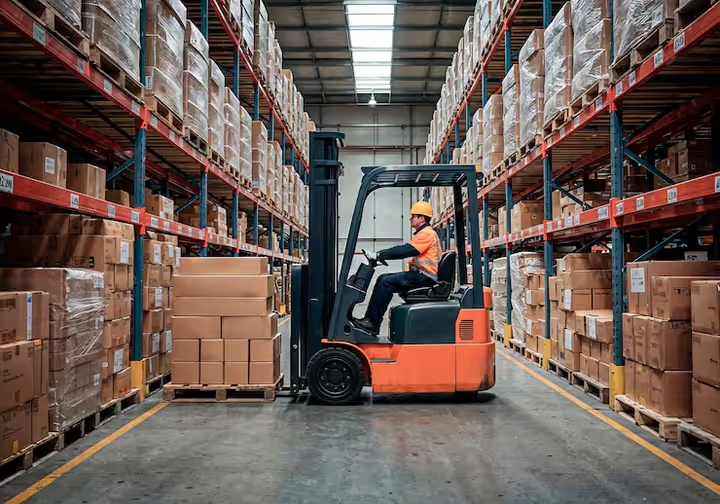
- Industrial trucks – forklifts, pallet jacks
- Bulk material handling equipment – conveyors, silos
- Engineered systems – automated storage and retrieval systems
These systems are designed to reduce manual effort, improve workflow, and ensure that materials are available at the right place and time.
Why Material Handling Matters in Modern Industries
Material handling plays a critical role in sectors such as manufacturing, logistics, construction, and retail distribution. As supply chains grow more complex, efficient handling systems have become essential.
Some key reasons why this topic matters today include:
- Operational efficiency – Proper systems reduce delays and improve workflow continuity
- Workplace safety – Equipment minimizes manual lifting and reduces injury risks
- Inventory control – Organized storage improves tracking and reduces losses
- Cost optimization – Efficient handling reduces waste and resource usage
Industries that benefit significantly include:
- Warehousing and logistics
- E-commerce fulfillment centers
- Construction and infrastructure
- Food processing and pharmaceuticals
Material handling also addresses challenges such as:
- Managing high volumes of goods
- Reducing human error
- Improving delivery timelines
- Maintaining product quality during movement
Below is a simple comparison table of common equipment types and their applications:
| Equipment Type | Primary Use | Industry Application |
|---|---|---|
| Conveyor Systems | Continuous material movement | Manufacturing, logistics |
| Forklifts | Lifting and transporting loads | Warehousing, construction |
| Automated Guided Vehicles | Autonomous material transport | Smart warehouses |
| Storage Racks | Organized inventory storage | Retail, distribution |
Recent Developments and Industry Trends
Material handling has seen significant advancements over the past year, especially with the integration of automation and digital technologies.
Key trends observed in 2025–2026 include:
-
Rise of automation systems (2025)
Warehouses are increasingly adopting automated guided vehicles (AGVs) and robotic picking systems to improve efficiency and reduce dependency on manual labor. -
Integration of IoT (Internet of Things) (2025)
Sensors and tracking devices are now used to monitor equipment performance, track inventory in real time, and improve decision-making. -
Focus on sustainability (2025–2026)
Many industries are shifting toward energy-efficient equipment, such as electric forklifts and eco-friendly conveyor systems. -
AI-based optimization (early 2026)
Artificial intelligence is being used to optimize warehouse layouts, predict maintenance needs, and improve supply chain efficiency. -
Growth of smart warehouses (2026)
Fully automated storage and retrieval systems are becoming more common, especially in large-scale logistics operations.
A simple trend representation:
| Year | Key Trend |
|---|---|
| 2025 | Automation adoption increases |
| Late 2025 | IoT integration expands |
| 2026 | AI-driven systems gain traction |
These developments highlight a shift toward smarter, safer, and more efficient handling systems.
Regulations and Policies Affecting Material Handling
Material handling is influenced by safety standards, labor laws, and environmental policies. These regulations ensure that equipment is used responsibly and that workers are protected.
In India, several frameworks and guidelines apply:
-
Occupational Safety, Health and Working Conditions Code (2020)
This law outlines workplace safety standards, including safe handling of materials and use of machinery. -
Factories Act guidelines
Although updated under newer labor codes, it historically governs working conditions, including equipment safety and worker protection. -
Bureau of Indian Standards (BIS)
Sets technical standards for equipment design, safety, and performance. -
Environmental regulations
Encourage the use of energy-efficient and low-emission equipment in industrial operations.
Key compliance considerations include:
- Proper training for equipment operators
- Regular maintenance and inspection of machinery
- Use of protective equipment
- Safe load handling practices
Organizations must align with these regulations to ensure safe and compliant operations.
Tools, Platforms, and Resources for Material Handling
Several tools and resources help businesses and individuals understand and optimize material handling processes. These include software platforms, calculators, and planning tools.
Common categories of tools include:
-
Warehouse Management Systems (WMS)
Help track inventory, manage storage, and optimize workflows -
Material handling calculators
Used to estimate load capacity, conveyor speed, and storage requirements -
Simulation software
Allows visualization of warehouse layouts and workflow efficiency -
Maintenance tracking tools
Monitor equipment performance and schedule servicing -
Training platforms
Provide educational resources on safe equipment usage and handling methods
Examples of useful features in these tools:
- Real-time inventory tracking
- Equipment utilization reports
- Workflow optimization suggestions
- Safety compliance checklists
These resources support better planning, improved efficiency, and informed decision-making.
Frequently Asked Questions
What is material handling equipment?
Material handling equipment includes tools and machinery used to move, store, control, and protect materials within a facility. Examples include conveyors, forklifts, and storage systems.
What are the main types of material handling methods?
The main methods include manual handling, mechanical handling using equipment, and automated handling using advanced systems like robotics and conveyors.
Why is material handling important in logistics?
It ensures smooth movement of goods, reduces delays, improves inventory management, and enhances overall supply chain efficiency.
What are the safety considerations in material handling?
Important factors include proper training, regular equipment maintenance, use of protective gear, and adherence to safety regulations.
How is technology changing material handling?
Technology is introducing automation, IoT-based tracking, and AI-driven optimization, making systems more efficient and reducing manual intervention.
Conclusion
Material handling is a foundational aspect of modern industrial and logistics operations. It ensures that materials are moved efficiently, stored safely, and managed effectively throughout the supply chain.
With the rise of automation, digital tools, and sustainability initiatives, material handling continues to evolve. Understanding its principles, equipment types, and regulatory requirements helps organizations improve efficiency and maintain safe working environments.
As industries grow and supply chains become more complex, the role of well-structured material handling systems will remain essential for operational success and long-term sustainability.