A Comprehensive Guide to Structural Steel Fabrication: Basics and Advanced Tips
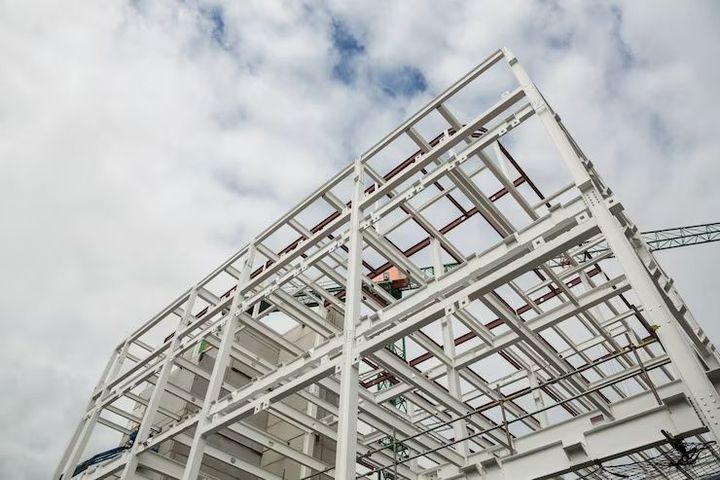
Structural steel fabrication is the process of shaping, cutting, and assembling steel into structures used in buildings, bridges, machinery, and infrastructure. It plays a central role in modern construction because steel is strong, flexible, and widely available. A comprehensive guide to structural steel fabrication often begins with understanding how raw steel is transformed into beams, columns, and frames that support everyday structures.
Historically, steel fabrication developed alongside industrial growth, especially during the expansion of railways and urban construction. Over time, methods have evolved from manual techniques to advanced automated systems. Today, structural steel fabrication combines traditional craftsmanship with modern technologies such as computer-aided design (CAD) and automated cutting tools.
For general readers, this topic may seem technical, but its outcomes are visible everywhere—from office buildings to public infrastructure. Understanding the basics and advanced tips of structural steel fabrication helps explain how these structures are designed and built safely.
Importance
Structural steel fabrication matters because it supports the safety and durability of many structures people use daily. Buildings, transportation systems, and industrial facilities rely on properly fabricated steel components to maintain stability under various conditions.
Several practical challenges are addressed through this process. These include ensuring structural strength, adapting designs to different environments, and maintaining consistent quality during construction. For example, well-fabricated steel components can withstand heavy loads, resist environmental stress, and allow for flexible architectural designs.
The topic affects multiple groups, including engineers, construction workers, planners, and even residents who depend on safe infrastructure. Structural steel fabrication basics also help non-technical readers understand how buildings remain secure and how construction projects are planned efficiently.
Recent Updates
Recent years have seen noticeable advancements in structural steel fabrication techniques. Automation and digital integration have become more common, improving precision and reducing manual errors. Technologies such as Building Information Modeling (BIM) now allow detailed planning before physical fabrication begins.
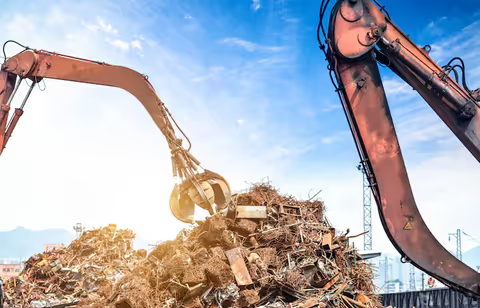
Another trend is the increasing focus on sustainability. Fabrication processes are being adjusted to reduce waste, reuse materials, and improve energy efficiency. Recycling steel has become a standard practice in many regions, contributing to environmental goals.
Robotics and advanced machinery are also shaping the industry. Automated welding systems and laser cutting tools enable more accurate and consistent results. These developments are often highlighted in comprehensive guides to structural steel fabrication, as they represent a shift toward more efficient and predictable outcomes.
Laws or Policies
Structural steel fabrication is influenced by various regulations and standards designed to ensure safety and quality. In India, organizations such as the Bureau of Indian Standards (BIS) provide guidelines for steel materials and fabrication practices. Codes like IS 800 outline general construction requirements using steel.
Workplace safety regulations also play a role. Fabrication facilities must follow occupational safety rules to reduce risks associated with heavy machinery, high temperatures, and manual handling. These regulations help protect workers and maintain consistent production standards.
Environmental policies are increasingly relevant as well. Rules related to emissions, waste management, and energy usage affect how fabrication processes are carried out. Compliance with these policies ensures that structural steel fabrication aligns with broader sustainability goals.
Tools and Resources
Structural steel fabrication relies on a combination of tools, software, and reference materials. These resources support both basic operations and advanced techniques.
Common fabrication tools
Basic tools are essential for shaping and assembling steel components:
- Cutting equipment, including saws and plasma cutters, used to shape steel pieces
- Welding machines, which join components securely
- Drilling tools, used to create precise holes for bolts and fasteners
- Measuring instruments, ensuring accuracy in dimensions
Digital tools and software
Modern fabrication often uses digital systems to improve planning and execution:
- CAD software, which helps create detailed structural designs
- BIM platforms, allowing integration of design, fabrication, and construction processes
- Structural analysis tools, used to test strength and stability before fabrication
Reference standards and guides
Fabricators and engineers rely on established standards:
- National and international codes that define acceptable practices
- Technical manuals explaining material properties and fabrication methods
- Calculation tools for load analysis and structural integrity
Example data table: Common steel sections and uses
| Steel Section Type | Typical Shape | Common Use Case |
|---|---|---|
| I-Beam | I-shaped | Building frames and bridges |
| Channel Section | C-shaped | Support structures and frames |
| Angle Section | L-shaped | Bracing and reinforcement |
| Hollow Section | Square/Rectangular | Columns and lightweight structures |
These tools and resources form the foundation of both basic and advanced structural steel fabrication processes.
FAQs
What is structural steel fabrication in simple terms?
Structural steel fabrication is the process of cutting, shaping, and assembling steel into parts used in construction, such as beams and frames. It turns raw steel into usable structural components.
What are the basic steps in structural steel fabrication?
The main steps include design, cutting, shaping, welding, and assembly. Each step ensures that the final structure meets required dimensions and strength standards.
How do advanced tips improve structural steel fabrication?
Advanced tips, such as using digital modeling tools and automated machinery, help improve accuracy, reduce material waste, and streamline production processes.
What materials are commonly used in structural steel fabrication?
Different grades of steel are used depending on the application. These materials are selected based on strength, flexibility, and environmental conditions.
Why is structural steel fabrication important in modern construction?
It provides strong and reliable structural components that support buildings and infrastructure. It also allows for flexible designs and efficient construction methods.
Conclusion
Structural steel fabrication is a key process that supports modern infrastructure and construction. It combines traditional methods with advanced technologies to produce strong and reliable components. Understanding its basics and advanced techniques helps explain how buildings and structures maintain safety and durability. With ongoing developments in automation and sustainability, the field continues to evolve while meeting regulatory and environmental standards.