AI-driven manufacturing refers to the use of artificial intelligence technologies to improve how goods are produced, monitored, and delivered. It combines tools such as machine learning, data analysis, and automation systems to make industrial processes more efficient and adaptable. Over time, manufacturing has evolved from manual labor to mechanization, then to computer-controlled systems, and now to intelligent systems that can learn and adjust.
Today, AI-powered industrial automation is becoming a central part of modern factories. Machines are no longer limited to following fixed instructions; they can analyze patterns, detect issues, and even suggest improvements. This shift is supported by the growth of data collection through sensors, connected devices, and industrial networks.
The rise of smart manufacturing AI platforms has made it easier for manufacturers to manage complex operations. These platforms integrate data from different stages of production, allowing businesses to monitor performance in real time. As industries face increasing demand for efficiency and flexibility, AI technologies provide a structured way to handle these challenges.
Importance
AI in manufacturing industry plays an important role in addressing several long-standing challenges. These include production delays, equipment failures, resource waste, and supply chain disruptions. By using intelligent systems, manufacturers can better understand their operations and respond more quickly to changes.
One major benefit is improved decision-making. With machine learning in manufacturing, systems can analyze large amounts of data and identify trends that may not be visible to human operators. This helps in planning production schedules, managing resources, and reducing downtime.
Another key area is maintenance. Traditional maintenance often relies on fixed schedules, which may not match actual equipment conditions. In contrast, AI predictive maintenance software uses real-time data to predict when a machine might fail. This allows maintenance teams to act before problems occur, reducing unexpected breakdowns.
AI also improves inventory management. An AI-based inventory management system can track stock levels, forecast demand, and optimize storage. This helps reduce excess inventory while ensuring that necessary materials are available when needed.
These improvements affect not only manufacturers but also consumers. More efficient production can lead to stable supply chains and consistent product availability, which are important in everyday life.
Recent Updates
Recent years have seen steady progress in AI-driven manufacturing. From 2024 to 2026, several trends have become more visible across industries.
Increased Adoption of Smart Platforms
More companies are adopting smart manufacturing AI platforms that connect machines, sensors, and software into a single system. These platforms allow real-time monitoring of production lines and provide insights into performance and efficiency.
Growth of Edge Computing
Edge computing is becoming more common in manufacturing environments. Instead of sending all data to centralized systems, some processing happens directly on machines or local devices. This reduces delays and allows faster decision-making, which is important for time-sensitive operations.
Expansion of Predictive Maintenance
The use of AI predictive maintenance software continues to expand. Industries such as automotive, energy, and electronics are using these tools to monitor equipment health and reduce maintenance-related interruptions.
Integration with Robotics
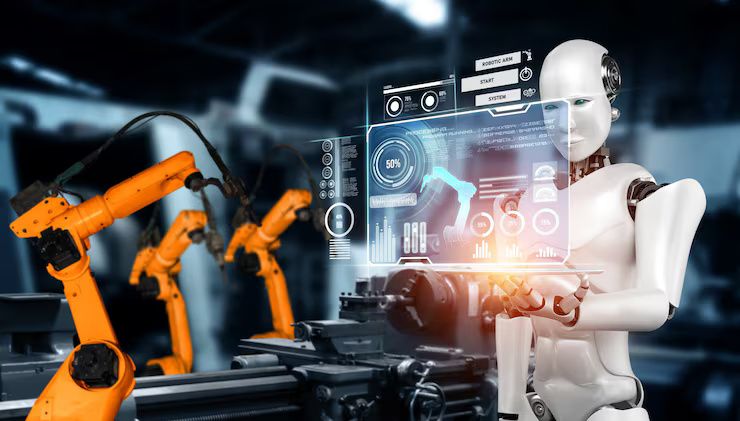
AI is increasingly being integrated with industrial robots. These robots can adjust their actions based on changing conditions, making them more flexible in tasks such as assembly, packaging, and quality inspection.
Data-Driven Supply Chains
AI is also influencing supply chain management. By analyzing data from suppliers, transportation systems, and warehouses, manufacturers can better predict demand and manage resources more effectively.
The following table summarizes some key areas where AI is applied in manufacturing:
| Application Area | Description |
|---|---|
| Predictive Maintenance | Uses data to predict equipment failures and schedule maintenance |
| Quality Control | Detects defects using image recognition and data analysis |
| Inventory Management | Tracks stock levels and forecasts demand |
| Production Planning | Optimizes schedules based on demand and resource availability |
| Energy Management | Monitors and reduces energy consumption |
Laws or Policies
AI-driven manufacturing is influenced by various laws and policies, especially those related to data use, workplace safety, and technology standards. Governments around the world are developing frameworks to guide the responsible use of AI in industrial settings.
Data Protection Regulations
Manufacturing systems often collect large amounts of data, including operational and sometimes personal information. Regulations such as data protection laws require organizations to handle this data carefully. These rules focus on data security, transparency, and user privacy.
Industry Standards
Standards organizations develop guidelines for safe and reliable manufacturing processes. These include standards for automation systems, robotics, and data communication. Compliance with these standards helps ensure that AI systems operate consistently and safely.
Workplace Safety Policies
The use of AI-powered machines and robots introduces new safety considerations. Regulations often require manufacturers to implement safety measures, such as protective barriers, emergency controls, and regular system checks.
Government Programs
Some governments support the adoption of AI in manufacturing through research initiatives and digital transformation programs. These programs aim to improve industrial efficiency while ensuring responsible use of technology.
Overall, laws and policies aim to balance innovation with safety and ethical considerations, ensuring that AI technologies are used in a controlled and transparent manner.
Tools and Resources
Several tools and platforms support the use of AI in manufacturing. These resources help organizations analyze data, automate processes, and manage operations more effectively.
Data Analytics Platforms
These platforms process large datasets collected from machines and sensors. They help identify patterns, track performance, and generate insights that support decision-making.
Machine Learning Frameworks
Frameworks such as TensorFlow and PyTorch are commonly used to develop AI models. These tools allow engineers to build systems that can learn from data and improve over time.
Industrial IoT Systems
Industrial Internet of Things (IoT) systems connect machines and devices within a factory. They enable real-time data collection and communication between different parts of the production process.
Predictive Maintenance Tools
AI predictive maintenance software monitors equipment conditions and predicts potential failures. These tools often use sensor data, historical records, and machine learning models.
Inventory Management Systems
An AI-based inventory management system helps track stock levels, forecast demand, and manage supply chains. These systems can adjust inventory levels based on changing conditions.
Simulation and Digital Twin Tools
Digital twin technology creates virtual models of physical systems. These models allow manufacturers to test scenarios and optimize processes without affecting real operations.
FAQs
What is AI in manufacturing industry?
AI in manufacturing industry refers to the use of artificial intelligence technologies to improve production processes. It includes applications such as automation, predictive maintenance, and data analysis.
How does AI-powered industrial automation work?
AI-powered industrial automation uses intelligent systems to control machines and processes. These systems analyze data, make decisions, and adjust operations without constant human input.
What are smart manufacturing AI platforms?
Smart manufacturing AI platforms are integrated systems that connect machines, data, and software. They provide real-time insights and help manage production, maintenance, and supply chains.
How does AI predictive maintenance software help factories?
AI predictive maintenance software monitors equipment conditions and predicts when maintenance is needed. This helps reduce unexpected breakdowns and improves operational efficiency.
What is an AI-based inventory management system?
An AI-based inventory management system uses data and algorithms to track stock levels and forecast demand. It helps maintain the right balance between supply and demand.
Conclusion
AI-driven manufacturing represents a shift toward more intelligent and adaptable production systems. By combining data analysis, automation, and machine learning, it helps address challenges such as inefficiency, downtime, and resource management. The use of tools like predictive maintenance and inventory systems supports more informed decision-making. As technology continues to evolve, AI is likely to remain an important part of how manufacturing systems operat