Attic Insulators Guide: Understanding Materials, Performance, and Home Efficiency
Attic insulators play an important role in maintaining indoor comfort and supporting energy management in residential buildings.
Insulation materials are designed to slow the transfer of heat between indoor and outdoor environments, helping homes remain warmer during colder periods and cooler during warmer seasons.
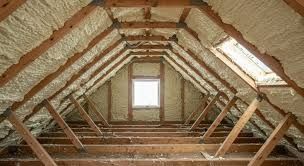
The concept of home attic insulation has been used for decades as building standards evolved to improve residential energy performance. Modern insulation products are available in several forms, including fiberglass attic insulation, cellulose attic insulation, blown in attic insulation, and spray foam attic insulation. Each material has different characteristics related to thermal resistance, installation methods, moisture management, and longevity.
Attics are often one of the largest sources of heat loss or heat gain in a home. Because warm air naturally rises, insufficient insulation in attic spaces can affect indoor temperature stability and increase energy use. As a result, attic insulation installation has become a common component of residential energy-efficiency planning.
In addition to insulation materials themselves, attic insulation and ventilation work together to support overall attic performance. Proper ventilation can help regulate moisture levels and temperature conditions within the attic space, reducing the risk of condensation and material deterioration.
Importance
Supporting Indoor Comfort
One of the primary reasons homeowners focus on attic insulators is to improve indoor comfort throughout the year. When insulation levels are appropriate for local climate conditions, temperature fluctuations inside the home may become less noticeable.
Insulation can help:
- Reduce unwanted heat movement
- Improve temperature consistency between rooms
- Limit drafts caused by temperature differences
- Support heating and cooling system performance
Improving Energy Efficiency
Energy consumption associated with heating and cooling often represents a significant portion of household utility use. Attic energy efficiency upgrades are commonly considered because the attic is a major pathway for heat transfer.
Energy efficient attic insulation helps create a thermal barrier between living spaces and outdoor conditions. This can reduce the workload placed on heating and cooling equipment while supporting more stable indoor temperatures.
Addressing Aging Insulation
Over time, insulation materials may settle, become compressed, absorb moisture, or experience damage from pests. In such situations, attic insulation replacement may be considered to restore intended thermal performance.
Common reasons for replacement include:
- Water damage
- Mold concerns
- Pest contamination
- Material deterioration
- Renovation projects
- Changes to building energy standards
Supporting Home Renovation Projects
Many homeowners include insulation improvements when renovating attics, roofing systems, or HVAC equipment. Upgrading insulation during larger renovation projects can improve overall building performance and help align with modern construction practices.
Recent Updates
Growing Interest in Energy Efficiency
Current trends from recent years show continued attention toward reducing residential energy consumption. Homeowners and builders increasingly view insulation improvements as part of broader energy-efficiency planning.
Attic energy efficiency upgrades are often combined with:
- Air sealing improvements
- Smart thermostat installation
- Ventilation enhancements
- Roofing upgrades
- HVAC system modernization
Advances in Insulation Materials
Manufacturers continue refining insulation products to improve durability, moisture resistance, and environmental performance. Some newer fiberglass attic insulation products feature improved handling characteristics and reduced dust generation during installation.
Cellulose attic insulation products increasingly incorporate recycled materials while maintaining thermal performance standards. Similarly, spray foam attic insulation technologies continue evolving to improve air-sealing capabilities.
Greater Focus on Whole-Home Performance
Building professionals increasingly evaluate insulation as part of an integrated building system. Rather than focusing solely on insulation thickness, attention is also given to air leakage, ventilation, moisture control, and overall building envelope performance.
This approach recognizes that insulation works most effectively when combined with proper air sealing and attic ventilation.
Increased Use of Energy Assessment Tools
Digital assessment tools and energy modeling software have become more widely available. These resources help identify areas where insulation improvements may contribute to better building performance.
Laws or Policies
Building Energy Codes
Many countries maintain building energy codes that establish minimum insulation requirements for new construction and major renovations. These requirements often vary according to climate zones and regional weather conditions.
Insulation standards generally address:
- Minimum thermal resistance values
- Installation quality requirements
- Moisture management considerations
- Ventilation provisions
Government Energy Programs
Various government programs encourage energy conservation through educational resources, technical guidance, and energy-performance initiatives. These programs often provide information about insulation practices and building efficiency measures.
Homeowners considering attic insulation installation should review applicable local regulations and building requirements before beginning projects.
Safety and Fire Standards
Insulation products are typically subject to testing and certification requirements related to fire safety, indoor air quality, and material performance.
Manufacturers generally provide documentation regarding:
- Fire resistance ratings
- Material specifications
- Installation requirements
- Environmental certifications
Environmental Regulations
Environmental policies increasingly influence construction materials and manufacturing processes. Some insulation products contain recycled content or are produced using methods designed to reduce environmental impacts.
Tools and Resources
Several tools and resources can help homeowners better understand attic insulation performance and planning considerations.
Energy Efficiency Calculators
Online energy calculators can estimate how insulation levels may affect energy consumption and thermal performance. These tools often consider local climate conditions and home characteristics.
Government Energy Information Websites
Government energy agencies frequently publish educational materials covering:
- Recommended insulation levels
- Climate zone guidance
- Ventilation practices
- Building energy concepts
Thermal Imaging Technology
Thermal imaging cameras can identify areas where heat transfer occurs. These tools are often used during energy assessments to locate insulation gaps and air leakage pathways.
Home Energy Assessment Platforms
Digital assessment platforms may help homeowners evaluate building performance and prioritize energy-related improvements.
Comparison Table for Common Attic Insulation Types
| Insulation Type | Installation Method | Air Sealing Ability | Common Applications |
|---|---|---|---|
| Fiberglass attic insulation | Batts or loose-fill | Moderate | General attic coverage |
| Cellulose attic insulation | Blown-in application | Moderate | Existing attics and retrofits |
| Blown in attic insulation | Mechanical blowing equipment | Moderate | Large attic spaces |
| Spray foam attic insulation | Spray-applied material | High | Air sealing and insulation |
| Mineral wool insulation | Batts or loose-fill | Moderate | Thermal and sound control |
Working With Attic Insulation Contractors
Some homeowners choose to consult attic insulation contractors when evaluating insulation conditions, ventilation concerns, or replacement needs. Professionals may assess existing materials, identify problem areas, and explain installation approaches based on local building requirements.
FAQs
What are attic insulators?
Attic insulators are materials installed within attic spaces to reduce heat transfer between the interior of a home and the outdoor environment. Common materials include fiberglass, cellulose, and spray foam products.
What is the difference between fiberglass attic insulation and cellulose attic insulation?
Fiberglass attic insulation is commonly made from fine glass fibers and is available in batts or loose-fill forms. Cellulose attic insulation is typically produced from recycled paper materials treated for fire resistance and is often installed using blown-in methods.
How does blown in attic insulation work?
Blown in attic insulation is applied using specialized equipment that distributes loose insulation material across attic surfaces. This method can help cover irregular spaces and areas around obstacles.
Why are attic insulation and ventilation both important?
Attic insulation and ventilation work together to manage temperature and moisture conditions. Insulation slows heat transfer, while ventilation helps remove excess heat and moisture from attic spaces.
When might attic insulation replacement be needed?
Attic insulation replacement may be considered when insulation has experienced water damage, pest contamination, significant settling, deterioration, or when major renovations are being performed.
What are attic energy efficiency upgrades?
Attic energy efficiency upgrades may include adding insulation, improving air sealing, enhancing ventilation systems, and addressing areas where heat transfer occurs within the building envelope.
Conclusion
Attic insulators contribute to residential comfort, energy management, and building performance by reducing heat transfer through attic spaces. Several insulation materials are available, including fiberglass attic insulation, cellulose attic insulation, blown in attic insulation, and spray foam attic insulation. Effective insulation is often supported by proper ventilation, air sealing, and regular assessment of attic conditions. Understanding material options, current building practices, and applicable regulations can help homeowners make informed decisions about home attic insulation and related efficiency improvements.