Automotive component inspection systems are technologies used to examine parts of a vehicle during manufacturing and assembly. These systems check whether components meet specific design and safety standards before they are installed in a vehicle or released into the market. The concept has developed alongside the growth of the automotive industry, where consistent quality and reliability are essential.
In earlier decades, inspection relied heavily on manual checks performed by workers. While effective to some extent, manual inspection could be time-consuming and sometimes inconsistent. As vehicles became more complex, manufacturers began using automated systems such as cameras, sensors, and software to improve accuracy. Today, automotive component inspection systems combine hardware and digital tools to analyze parts quickly and with high precision.
These systems can inspect a wide range of components, including engines, brake systems, electronic modules, and structural parts. They are used at multiple stages of production, from raw material evaluation to final assembly checks. Their main purpose is to identify defects, ensure compliance with design specifications, and maintain consistency across large production volumes.
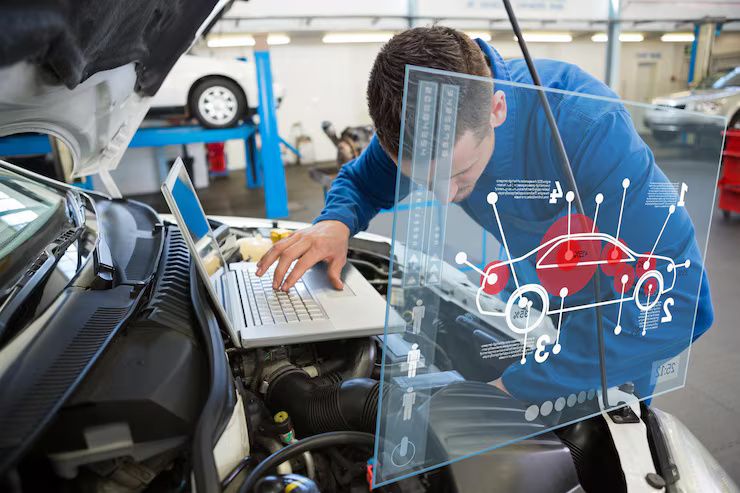
Importance
Automotive component inspection systems play an important role in maintaining vehicle safety and reliability. Vehicles are made up of thousands of individual parts, and even a small defect in one component can affect overall performance. Inspection systems help detect such issues early, reducing the likelihood of faults reaching the end user.
These systems affect various groups, including manufacturers, suppliers, and consumers. For manufacturers, inspection systems support consistent production quality. For suppliers, they help ensure that delivered parts meet required standards. For consumers, they contribute to safer and more reliable vehicles on the road.
Several real-world challenges are addressed through these systems. These include:
- Quality consistency: Automated inspection reduces variations that can occur with manual checks.
- Defect detection: Early identification of cracks, misalignments, or incorrect dimensions prevents further complications.
- Efficiency in production: Faster inspection processes help maintain steady production flow.
- Compliance with standards: Inspection systems assist in meeting industry regulations and safety requirements.
As vehicles incorporate more advanced technologies, including electronics and software-controlled systems, the need for accurate inspection becomes even more significant.
Recent Updates
Between 2024 and 2026, automotive component inspection systems have seen several notable developments. One key trend is the integration of artificial intelligence and machine learning. These technologies allow inspection systems to learn from past data and improve their ability to detect defects over time.
Another important development is the use of high-resolution imaging and 3D scanning. These tools provide detailed views of components, making it easier to identify even minor imperfections. For example, 3D scanning can measure the exact dimensions of a part and compare them with digital design models.
Automation has also expanded with the use of robotics. Robotic inspection systems can handle repetitive tasks with high precision, reducing the need for manual intervention. This is particularly useful in large-scale manufacturing environments.
Additionally, there has been growth in real-time monitoring systems. These systems analyze components as they move through the production line, allowing immediate detection of issues. This reduces delays and helps maintain continuous production.
Cloud-based data storage and analysis have also become more common. Inspection data can now be stored and accessed remotely, enabling better tracking of quality trends and easier collaboration across different locations.
Laws or Policies
Automotive component inspection systems are influenced by various regulations and standards that aim to ensure vehicle safety and environmental compliance. These rules vary by country but generally follow similar principles.
In India, standards are guided by organizations such as the Automotive Industry Standards Committee (AISC) and the Bureau of Indian Standards (BIS). These bodies define requirements for vehicle components and testing procedures. Inspection systems help manufacturers meet these requirements by verifying that parts conform to specified guidelines.
Internationally, standards such as ISO 9001 (quality management systems) and IATF 16949 (automotive quality management) are widely used. These frameworks require consistent inspection and documentation processes. Automotive component inspection systems support compliance by providing accurate and traceable inspection data.
Environmental regulations also influence inspection practices. For example, emission-related components must meet strict performance criteria. Inspection systems ensure that these components function correctly before being integrated into vehicles.
Safety regulations often require testing of critical components such as brakes, airbags, and steering systems. Inspection systems help verify that these components meet safety thresholds, reducing risks associated with mechanical failure.
Tools and Resources
A variety of tools and resources are used in automotive component inspection systems. These tools range from simple measuring devices to advanced digital platforms.
Measurement and Imaging Tools
- Coordinate measuring machines (CMM): Used to measure the physical dimensions of components with high accuracy.
- Vision inspection systems: Cameras and software analyze images to detect defects such as scratches or misalignments.
- 3D scanners: Create digital models of components for comparison with design specifications.
Sensor-Based Systems
- Laser sensors: Measure distances and detect surface irregularities.
- Ultrasonic testing devices: Identify internal defects that are not visible externally.
- X-ray inspection systems: Examine internal structures of components without damaging them.
Software Platforms
- Quality management software: Tracks inspection data and ensures compliance with standards.
- Data analytics tools: Analyze inspection results to identify patterns and improve processes.
- Machine learning systems: Enhance defect detection by learning from historical data.
Example Comparison Table
| Tool Type | Function | Common Use Case |
|---|---|---|
| Coordinate measuring machine | Precise dimensional measurement | Engine parts, structural frames |
| Vision inspection system | Visual defect detection | Surface quality checks |
| 3D scanner | Digital modeling and comparison | Complex component analysis |
| Ultrasonic testing device | Internal flaw detection | Metal and welded components |
| X-ray inspection system | Internal structure analysis | Electronic modules, cast parts |
These tools are often combined into integrated systems that provide comprehensive inspection capabilities. The choice of tools depends on the type of component, production scale, and required level of accuracy.
FAQs
What are automotive component inspection systems?
Automotive component inspection systems are technologies used to examine vehicle parts during manufacturing. They check for defects, measure dimensions, and ensure components meet required standards.
Why are automotive component inspection systems important?
These systems help maintain vehicle safety and reliability by detecting defects early. They also support consistent production quality and compliance with industry regulations.
How do automotive component inspection systems work?
They use tools such as cameras, sensors, and software to analyze components. Data collected during inspection is compared with design specifications to identify any differences or defects.
What types of defects can automotive component inspection systems detect?
They can detect issues such as cracks, surface damage, incorrect dimensions, misalignment, and internal structural problems. Advanced systems can also identify subtle variations that may affect performance.
Are automotive component inspection systems used in all vehicle manufacturing processes?
Yes, they are used at multiple stages, including raw material inspection, component manufacturing, and final assembly. Their use depends on the complexity of the component and the required quality standards.
Conclusion
Automotive component inspection systems are an essential part of modern vehicle manufacturing. They help ensure that each component meets safety and quality standards before being used. Advances in technology, including artificial intelligence and 3D imaging, have improved the accuracy and efficiency of these systems. Regulations and industry standards continue to shape how inspection is carried out. Overall, these systems contribute to the production of reliable and safe vehicles.