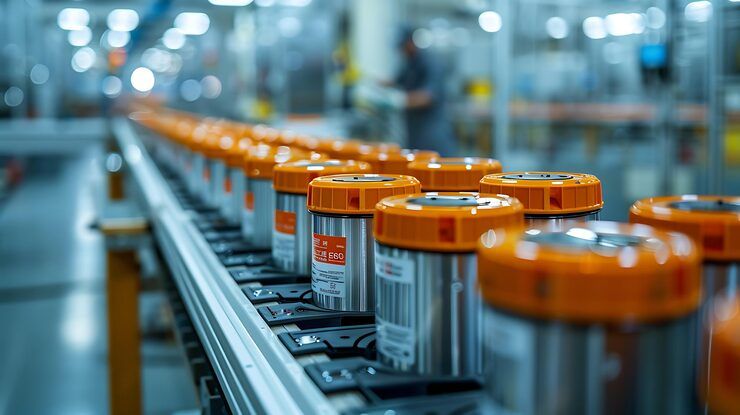
A battery manufacturing system refers to the organized process and infrastructure used to produce batteries at scale. Batteries are devices that store electrical energy and release it when needed. They are commonly used in everyday items such as smartphones, laptops, electric vehicles, and backup power systems.
The concept of battery manufacturing has evolved over time. Early batteries were simple and used in limited applications, but modern systems are far more advanced. Today, battery manufacturing involves multiple stages, including material preparation, cell assembly, testing, and packaging. These processes are carried out in controlled environments to ensure safety and consistency.
Modern battery manufacturing systems often focus on lithium-ion technology, which is widely used due to its efficiency and long life cycle. However, other types such as lead-acid and solid-state batteries are also part of the broader manufacturing landscape.
Importance
Battery manufacturing systems play a significant role in supporting modern life. As more devices rely on stored energy, the demand for batteries continues to grow. This demand is closely linked to several global trends.
One key factor is the rise of electric vehicles. As more people shift toward electric mobility, battery production becomes essential to support transportation needs. Another important area is renewable energy. Solar and wind power systems often depend on batteries to store energy for later use, making battery manufacturing systems crucial for energy stability.
Battery manufacturing systems also affect everyday consumers. Reliable batteries improve the performance of personal devices, while large-scale production helps maintain availability for industries such as telecommunications, healthcare, and transportation.
Some challenges addressed by battery manufacturing systems include:
- Energy storage reliability: Ensuring consistent power supply during outages or peak demand
- Environmental impact: Developing processes that reduce waste and improve recycling
- Safety concerns: Maintaining strict quality control to prevent overheating or failure
- Resource efficiency: Managing materials like lithium, cobalt, and nickel responsibly
Recent Updates
Between 2024 and 2026, battery manufacturing systems have seen notable changes driven by technological innovation and sustainability goals.
Shift Toward Sustainable Materials
Manufacturers are exploring alternatives to traditional materials. For example, there is growing interest in reducing the use of cobalt due to environmental and ethical concerns. Some systems now incorporate lithium iron phosphate (LFP) chemistry, which is considered more stable and less resource-intensive.
Automation and Smart Manufacturing
Modern battery manufacturing systems increasingly rely on automation. Robotics and artificial intelligence help improve precision during cell assembly and reduce human error. Smart monitoring systems track production quality in real time, allowing quick adjustments.
Growth of Solid-State Battery Research
Solid-state batteries are being developed as a potential alternative to conventional lithium-ion batteries. These batteries use solid electrolytes instead of liquid ones, which may improve safety and energy density. While still under development, manufacturing systems are gradually adapting to support this technology.
Expansion of Gigafactories
Large-scale battery production facilities, often referred to as gigafactories, are becoming more common. These facilities are designed to produce batteries in high volumes, supporting industries such as electric vehicles and grid storage.
Recycling Integration
Battery recycling is gaining attention as part of the manufacturing cycle. Some battery manufacturing systems now include processes to recover valuable materials from used batteries, reducing waste and dependence on raw resources.
Laws or Policies
Battery manufacturing systems are influenced by various laws and policies, especially in countries with growing energy and transportation sectors.
Environmental Regulations
Governments often require manufacturers to follow strict environmental guidelines. These rules focus on reducing emissions, managing chemical waste, and ensuring safe disposal of used batteries. Manufacturers must also monitor water and air quality during production.
Safety Standards
Battery production involves handling chemicals and high-energy materials. Regulatory bodies set safety standards to protect workers and consumers. These standards cover areas such as temperature control, packaging, and transportation.
Extended Producer Responsibility (EPR)
In many regions, policies require manufacturers to take responsibility for the entire lifecycle of batteries. This includes collection, recycling, and disposal. EPR frameworks encourage companies to design batteries that are easier to recycle.
Incentives for Clean Energy
Some governments support battery manufacturing systems through policies related to clean energy. These may include funding for research, infrastructure development, or incentives for adopting renewable energy storage solutions.
International Trade Regulations
Battery manufacturing systems are also affected by global trade policies. Regulations may govern the import and export of raw materials and finished batteries, ensuring compliance with safety and environmental standards.
Tools and Resources
Several tools and resources support the development and operation of battery manufacturing systems. These tools help improve efficiency, ensure quality, and assist with planning and analysis.
Design and Simulation Software
Engineers use specialized software to design battery cells and simulate performance. These tools help predict how batteries will behave under different conditions, reducing the need for physical testing.
Quality Control Systems
Modern manufacturing systems use digital tools to monitor production quality. Sensors and data analytics platforms track parameters such as temperature, pressure, and voltage during production.
Supply Chain Management Platforms
Battery manufacturing involves multiple materials and suppliers. Supply chain tools help manage inventory, track shipments, and ensure timely availability of components.
Recycling and Lifecycle Assessment Tools
Some platforms analyze the environmental impact of battery production. These tools evaluate factors such as energy consumption, emissions, and recyclability.
Educational Resources
Online courses, research publications, and technical guidelines provide information about battery manufacturing systems. These resources are useful for understanding new technologies and industry practices.
Example of Battery Manufacturing Process
Below is a simplified table outlining key stages in a battery manufacturing system:
| Stage | Description | Key Focus Area |
|---|---|---|
| Material Preparation | Processing raw materials into usable components | Purity and consistency |
| Electrode Coating | Applying active materials onto metal foils | Uniform thickness |
| Cell Assembly | Combining electrodes, separators, and electrolytes | Precision and alignment |
| Formation | Initial charging and testing of cells | Performance validation |
| Packaging | Encasing cells into modules or packs | Safety and durability |
FAQs
What is a battery manufacturing system?
A battery manufacturing system is a structured process used to produce batteries, including stages such as material preparation, assembly, testing, and packaging.
Why are battery manufacturing systems important?
Battery manufacturing systems support energy storage for devices, vehicles, and renewable energy systems. They help ensure reliable power and efficient use of resources.
How do battery manufacturing systems affect the environment?
These systems can impact the environment through material extraction and production processes. However, modern approaches focus on reducing waste, improving recycling, and using sustainable materials.
What technologies are used in battery manufacturing systems?
Common technologies include automation, robotics, data analytics, and simulation software. These tools improve efficiency and quality during production.
Are battery manufacturing systems evolving?
Yes, battery manufacturing systems are evolving with trends such as solid-state battery development, increased automation, and integration of recycling processes.
Conclusion
Battery manufacturing systems are essential for producing the energy storage devices used in modern life. They support industries ranging from personal electronics to transportation and renewable energy. Recent developments highlight a focus on sustainability, automation, and new battery technologies. Regulations and tools continue to shape how these systems operate and improve over time. Understanding these systems provides insight into how energy storage solutions are developed and maintained.