Bioenergy is a form of renewable energy that comes from organic materials like plants, agricultural waste, and animal matter. It is one of the oldest energy sources used by humans, but today it plays a modern role in clean energy solutions.
As the world looks for sustainable alternatives to fossil fuels, bioenergy is gaining attention for its ability to reduce environmental impact while supporting energy needs. It connects natural processes with practical energy use in homes, industries, and transportation.
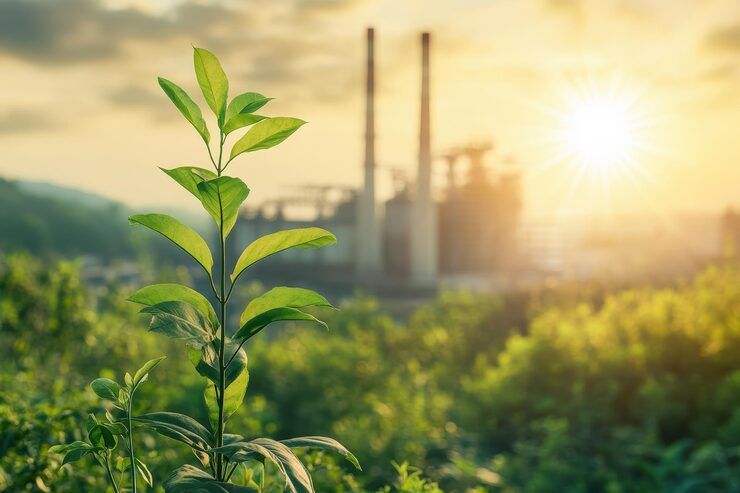
What is Biomass Energy?
Biomass energy is created from organic materials such as wood, crop residues, and even food waste. These materials store energy from the sun, which can be released through different processes.
When biomass is used as a fuel, it can produce heat, electricity, or even liquid fuels. This makes it a flexible energy source that can be adapted to different uses.
Common sources of biomass include:
- Agricultural waste like straw and husks
- Forest residues such as wood chips and sawdust
- Animal waste used in biogas production
- Organic municipal waste
Biomass energy is considered renewable because these materials can be replenished naturally over time.
How Bioenergy Works
Bioenergy works by converting organic materials into usable forms of energy. This process can happen in several ways depending on the type of biomass and the desired output.
Conversion Methods
There are three main methods used to convert biomass into energy:
- Thermal conversion: burning biomass to produce heat or electricity
- Biological conversion: using microorganisms to break down organic matter
- Chemical conversion: transforming biomass into liquid fuels
Each method has its own advantages and is used in different applications.
Role of Biofuel Production Technology
Biofuel production technology focuses on creating fuels like ethanol and biodiesel from organic materials. These fuels can be used in vehicles and machinery, reducing dependence on fossil fuels.
Modern technologies improve efficiency and reduce emissions, making biofuels a more sustainable option. They also allow the use of non-food crops and waste materials, which helps avoid competition with food supply.
Types of Bioenergy Systems
Bioenergy systems are designed to convert biomass into energy in different ways. These systems can range from small household setups to large industrial operations.
Industrial Bioenergy Systems
Industrial bioenergy systems are used on a large scale to generate electricity or heat for factories and facilities. They are often integrated into existing operations to make use of waste materials.
For example, a factory may use leftover biomass from production as fuel, reducing waste while generating energy. This improves efficiency and supports sustainability goals.
Key features of industrial systems include:
- High energy output
- Efficient waste utilization
- Reduced environmental impact
- Integration with existing infrastructure
Biogas Plant Installation
Biogas plant installation involves setting up systems that convert organic waste into gas through anaerobic digestion. This process produces biogas, which can be used for cooking, heating, or electricity.
Biogas plants are commonly used in rural and agricultural areas where organic waste is readily available. They help manage waste while providing a clean energy source.
Benefits of biogas systems include:
- Reduced waste and pollution
- Production of renewable energy
- Generation of organic fertilizer as a byproduct
- Suitable for small and large-scale use
Benefits of Renewable Energy Biomass
Renewable energy biomass offers several advantages that make it an important part of the energy mix. It supports both environmental and economic goals.
One of the main benefits is its ability to reduce greenhouse gas emissions. When managed properly, biomass energy can be close to carbon-neutral because plants absorb carbon dioxide during growth.
Other key benefits include:
- Use of waste materials that would otherwise be discarded
- Support for rural and agricultural communities
- Flexibility in energy production methods
- Contribution to energy security
Bioenergy also helps diversify energy sources, reducing reliance on fossil fuels.
Bioenergy Investment and Growth
Bioenergy investment is increasing as countries and organizations focus on sustainable energy solutions. Investments are being made in research, infrastructure, and technology development.
This growth is driven by several factors:
- Rising demand for renewable energy
- Government policies supporting clean energy
- Advances in biofuel production technology
- Increased awareness of environmental issues
Investments in bioenergy not only support energy production but also encourage innovation and job creation in related sectors.
Emerging Trends
Several trends are shaping the future of bioenergy:
- Development of advanced biofuels from non-food sources
- Integration of bioenergy with other renewable systems
- Improved efficiency in industrial bioenergy systems
- Expansion of biogas plant installations in urban areas
These trends highlight the potential of bioenergy to play a major role in the global energy transition.
Practical Applications of Bioenergy
Bioenergy is used in many everyday applications, making it a versatile and practical energy source. It can be found in homes, industries, and transportation systems.
In households, biomass can be used for cooking and heating. In industries, it powers machinery and generates electricity. In transportation, biofuels provide an alternative to traditional fuels.
Some common applications include:
- Electricity generation in power plants
- Heating systems for residential and commercial use
- Fuel for vehicles through ethanol and biodiesel
- Waste management through biogas production
These applications show how bioenergy can be adapted to different needs and environments.
Environmental Impact and Sustainability
Bioenergy has a positive environmental impact when managed responsibly. It helps reduce waste and lowers emissions compared to fossil fuels.
However, sustainability depends on how biomass is sourced and used. Responsible practices are essential to ensure long-term benefits.
Important considerations include:
- Avoiding deforestation for biomass production
- Using waste materials instead of dedicated crops
- Maintaining soil health and biodiversity
- Ensuring efficient energy conversion processes
By following these practices, bioenergy can remain a reliable and eco-friendly energy source.
Challenges in Bioenergy Development
While bioenergy offers many benefits, it also faces certain challenges. Understanding these challenges helps in improving systems and technologies.
Some common challenges include:
- Variability in biomass supply
- Need for efficient conversion technologies
- Competition for land and resources
- Managing emissions during production
Addressing these challenges requires innovation, policy support, and careful planning.
The Future of Bioenergy
The future of bioenergy looks promising as technology continues to improve and awareness grows. It is expected to play a key role in achieving global sustainability goals.
Advancements in biofuel production technology and industrial bioenergy systems will enhance efficiency and reduce environmental impact. At the same time, increased bioenergy investment will support expansion and innovation.
Bioenergy will likely become more integrated with other renewable energy sources, creating a balanced and sustainable energy system.
Conclusion
Bioenergy is a powerful and flexible renewable energy source that connects natural processes with modern energy needs. From biomass energy to biogas plant installation, it offers practical solutions for sustainable development.
By understanding its concepts, benefits, and applications, individuals and industries can better appreciate its role in the energy landscape. With continued innovation and responsible practices, bioenergy can contribute significantly to a cleaner and more sustainable future.