Bioreactor automation refers to the use of automated systems, sensors, and software to monitor and control biological processes occurring inside a bioreactor. A bioreactor is a controlled vessel used to grow microorganisms, plant cells, or animal cells for applications such as pharmaceuticals, biotechnology research, food production, and environmental studies.
Traditionally, bioprocesses relied on manual observation and adjustment of conditions such as temperature, pH, dissolved oxygen, and nutrient supply. As processes became more complex and large-scale, manual control proved insufficient for maintaining consistency and reproducibility.
Bioreactor automation emerged to address these challenges by enabling continuous monitoring and precise control of critical parameters. Automated systems collect sensor data, analyze trends, and adjust operating conditions in real time.
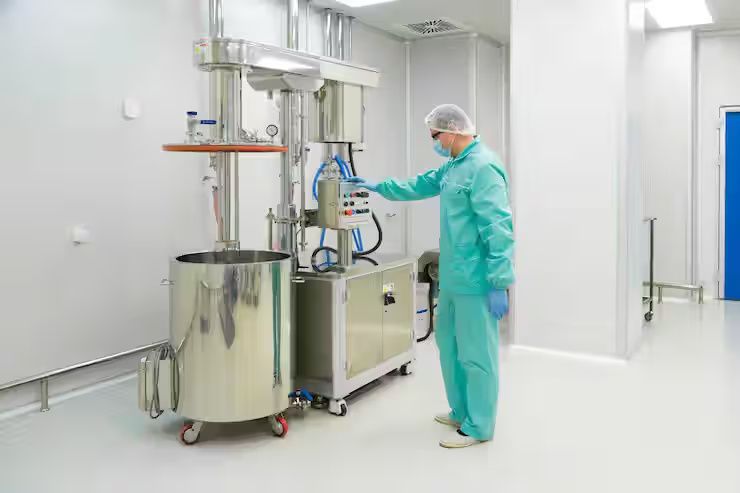
Why Bioreactor Automation Matters Today
Bioreactor automation plays a key role in modern biotechnology and life sciences. As demand for biologically derived products increases, controlled and consistent production environments become essential.
Key Importance Areas
- Reproducibility: Ensures consistent experimental and production outcomes
- Precision control: Maintains optimal conditions for sensitive biological systems
- Improved data collection: Supports analysis and process optimization
- Reduced manual intervention: Minimizes human error in complex systems
This topic impacts researchers, engineers, and regulatory bodies. Automation helps address challenges like variability, process instability, and limited process visibility.
Recent Developments and Trends (2024–2025)
Bioreactor automation has evolved rapidly with digital and analytical advancements. Recent trends highlight increased efficiency, flexibility, and data integration in bioprocessing.
Key Trends Overview
| Trend | Description | Impact |
|---|---|---|
| Advanced analytics | Model-based and predictive control strategies | Enables proactive decision-making |
| Single-use bioreactors | Pre-configured systems with integrated automation | Reduces contamination and setup complexity |
| Data integration | Improved connectivity between sensors and software | Enhances traceability and documentation |
| Digital twins | Virtual simulation of bioprocess systems | Supports efficient process design and testing |
| Real-time monitoring | Continuous tracking of process parameters | Improves control accuracy and responsiveness |
These developments reflect the growing role of digital tools in improving automation performance and reliability.
Laws and Policies Influencing Bioreactor Automation
Bioreactor automation is closely linked to regulatory frameworks in biotechnology and pharmaceutical industries. These regulations focus on product quality, data integrity, and controlled production environments.
Key Regulatory Influences
- Global guidelines: Provided by organizations such as the World Health Organization
- U.S. FDA expectations: Influence system design and documentation practices
- India regulations: Oversight by the Central Drugs Standard Control Organization
- Good Manufacturing Practices (GMP): Ensure quality and consistency
- Data integrity guidelines: Support accurate and reliable recordkeeping
These frameworks encourage the adoption of automation by emphasizing monitoring, traceability, and validation.
Tools and Resources for Bioreactor Automation
Various tools and resources support the implementation and understanding of automated bioprocess control systems. These are widely used in research, education, and industrial applications.
Useful Tools and References
- Bioprocess control software: For monitoring and visualization
- Sensor calibration guides: Ensure accurate measurements
- Simulation tools: Used in process modeling and education
- Scientific publications: Provide insights into optimization strategies
- Training materials: Focus on GMP and data integrity
Common Bioreactor Parameters and Control Methods
| Process Parameter | Purpose | Control Approach |
|---|---|---|
| Temperature | Cell growth stability | Automated heating and cooling |
| pH | Metabolic balance | Automated acid/base addition |
| Dissolved Oxygen | Cellular respiration | Gas flow and agitation control |
| Agitation Speed | Mixing and mass transfer | Motor-driven control |
| Nutrient Feed Rate | Sustained cell growth | Automated feeding systems |
These tools and systems help ensure stable and efficient bioprocess operations.
Frequently Asked Questions
What Is the Main Goal of Bioreactor Automation?
The main goal is to maintain stable biological conditions through continuous monitoring and automated adjustments of key parameters.
How Does Automation Improve Consistency?
Automation responds to real-time changes, keeping conditions within defined ranges and reducing variability.
Are Automated Bioreactors Used Only in Pharmaceuticals?
No, they are also used in biotechnology research, food production, environmental studies, and industrial fermentation.
Why Is Data Collection Important?
Accurate data supports process understanding, troubleshooting, compliance, and continuous improvement.
Can Automation Support Scale-Up?
Yes, automated systems help maintain consistent conditions when transitioning from laboratory to large-scale production.
Conclusion
Bioreactor automation is a fundamental part of modern bioprocessing. It enables precise monitoring and control of complex biological systems, supporting consistency and scalability.
As digital technologies continue to evolve, automation remains central to improving reliability and efficiency in biological production. Understanding its principles and applications helps highlight its importance across biotechnology and life sciences.