Bora Bora Honeymoon Resorts: Learn About Villa Types, Activities and Travel Planning
Bora Bora Honeymoon Resorts are accommodation properties located on or around Bora Bora, an island in French Polynesia in the South Pacific. The destination is known for its lagoon, coral reefs, mountainous interior, and distinctive overwater accommodation.
Honeymoon planning in Bora Bora involves more than selecting a room, as travelers may need to consider island location, transfers, room configuration, seasonal weather, activities, dining arrangements, and local environmental practices.
Context
What Is Bora Bora?
Bora Bora is part of the Society Islands of French Polynesia. The island consists of a mountainous central area surrounded by a lagoon and smaller coral islands known as motu. Mount Otemanu is one of the most recognizable geographical features.
The lagoon is central to tourism on the island. Its shallow and deeper areas support coral reefs and marine life, while the surrounding motu contain many accommodation properties and recreational facilities.
Understanding Bora Bora Honeymoon Resorts
Bora Bora Honeymoon Resorts generally refers to accommodation properties that cater to couples traveling to Bora Bora for a honeymoon or romantic holiday. Properties can differ substantially in location, room design, access to the lagoon, dining arrangements, transportation, and available activities.
Some accommodations are located on the main island, while others are situated on motu around the lagoon. This distinction can influence how travelers move between their accommodation, the main island, the airport, and excursion locations.
Types of Accommodation
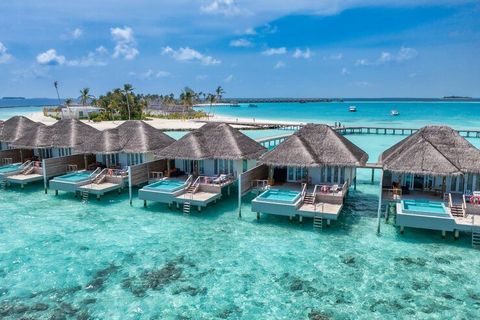
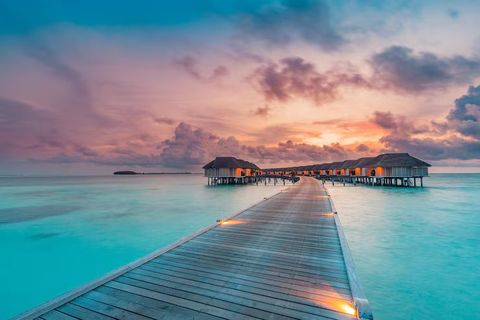
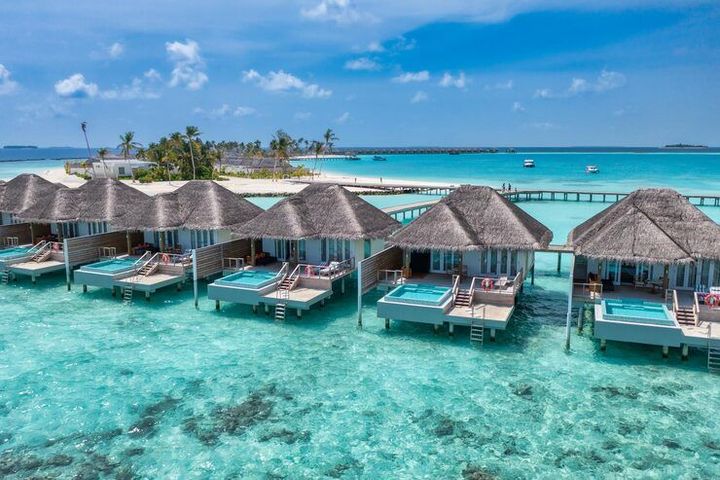
Bora Bora accommodation can include garden rooms, beach villas, lagoon-facing rooms, private bungalows, and overwater bungalows. Overwater accommodation is particularly associated with the destination because individual units can be constructed above shallow lagoon areas.
The physical layout of a room can influence privacy, access to the water, views, exposure to weather, and distance from central facilities. Travelers should examine room descriptions carefully because similarly named categories can have different layouts.
Getting to Bora Bora
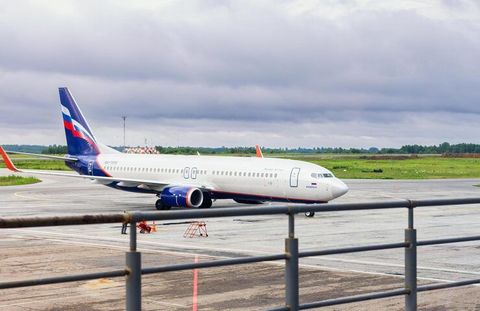
International travelers commonly reach French Polynesia through Faa'a International Airport near Papeete on Tahiti and then continue to Bora Bora by domestic air transportation. Bora Bora's airport is located on a motu rather than on the main island.
After arrival, travelers generally need a boat transfer or another designated transportation arrangement to reach their accommodation. Transfer arrangements vary according to the property and itinerary.
Main Accommodation Areas
| Location | General characteristics | Planning consideration |
|---|---|---|
| Main island | Access to villages, roads and local areas | More direct land transportation |
| Outer motu | Lagoon surroundings and resort areas | Boat transportation may be needed |
| Overwater area | Accommodation above the lagoon | Water access and weather exposure |
| Beach area | Direct access to shoreline | Lagoon conditions vary by location |
| Inland or garden area | Located away from the water | Different views and room layouts |
Importance
Choosing a Location
Location can significantly affect the experience of a Bora Bora Honeymoon. Properties on the main island provide different access to roads, villages, shops, cultural sites, and other local areas compared with properties on outer motu.
Travelers who plan to spend substantial time exploring the main island may need to consider transportation arrangements. Those focused on lagoon activities may place greater attention on water access and the location of their accommodation within the lagoon.
Room Type and Privacy
Room design is another important consideration. Overwater bungalows can provide direct lagoon access, while beach or garden accommodations provide a different relationship with the surrounding landscape.
Factors that can be compared include:
- Room size and layout
- Lagoon or mountain orientation
- Direct water access
- Outdoor deck configuration
- Privacy between neighboring units
- Bathroom and indoor facilities
- Accessibility arrangements
- Distance from dining and recreation areas
Lagoon Activities
The Bora Bora lagoon supports activities such as snorkeling, swimming, kayaking, paddleboarding, boating, and diving. Marine conditions vary according to location, weather, tides, and seasonal factors.
Some activities take place in designated areas or through organized excursions. Travelers should follow local instructions concerning marine life, coral areas, boats, and protected environments.
Dining and Meal Planning
Accommodation properties can have different dining arrangements, including restaurants, breakfast plans, meal packages, and in-room dining. Because Bora Bora is an island destination, travelers may want to understand what dining options are available at or near their accommodation.
Meal arrangements can also influence the structure of a daily itinerary. A traveler staying on an outer motu may have different dining access from someone staying near the main island's roads and local establishments.
Weather and Seasons
Bora Bora has a tropical climate with warm temperatures throughout much of the year. Rainfall, humidity, wind, cloud cover, and lagoon conditions vary seasonally.
Weather can affect outdoor activities, boat transportation, visibility for snorkeling or diving, and travel between islands. A flexible itinerary can account for changes in marine and weather conditions.
Environmental Considerations
The lagoon and coral ecosystems are important parts of Bora Bora's natural environment. Tourism activities can place pressure on water resources, waste systems, coral areas, and marine habitats.
Responsible visitor practices include avoiding physical contact with coral, following designated marine activity rules, limiting litter, and respecting local environmental guidance.
Recent Updates
Digital Travel Planning
Travel planning for Bora Bora increasingly relies on digital maps, online accommodation platforms, electronic airline information, weather applications, and mobile travel documents. These tools allow travelers to compare room categories, transportation arrangements, and itinerary details before departure.
Digital information should still be checked against current accommodation and transportation information because schedules, transfer arrangements, and local conditions can change.
Focus on Sustainable Tourism
Sustainable tourism has become an increasingly visible part of travel planning in French Polynesia. Accommodation properties and local authorities have placed greater attention on water use, waste management, renewable energy, marine conservation, and protection of natural environments.
The practical measures vary between properties. Travelers may encounter programs involving water conservation, waste separation, reef protection, local sourcing, and energy management.
Marine Conservation
Bora Bora's lagoon is an important ecological area, and marine activities are increasingly shaped by conservation considerations. Visitors may encounter designated swimming, snorkeling, boating, or wildlife-interaction areas.
Rules can vary by location. Travelers should follow instructions concerning coral reefs, marine animals, anchoring, fishing, and watercraft movement.
Changes in Travel Infrastructure
Air transportation, boat transfers, digital reservations, and accommodation infrastructure continue to evolve across French Polynesia. Bora Bora remains dependent on connections through Tahiti and local transportation networks.
Because transportation schedules can change, travelers should verify domestic flight and transfer arrangements when organizing a multi-island itinerary.
Technology in Accommodation
Some Bora Bora Honeymoon Resorts increasingly use digital systems for room controls, communication, reservations, environmental monitoring, and energy management. These technologies can improve operational coordination while also creating a greater dependence on digital infrastructure.
Travelers should retain important itinerary information in an accessible format in case connectivity becomes temporarily unavailable.
Laws or Policies
French Polynesian Administration
French Polynesia is an overseas collectivity of France with its own local institutions and regulations. Travel requirements can therefore involve French national rules as well as French Polynesian regulations.
Foreign travelers should check current entry requirements based on nationality, passport status, intended length of stay, and travel route.
Environmental Protection
French Polynesia has regulations concerning marine areas, wildlife, fisheries, protected environments, waste, and coastal activities. Bora Bora and surrounding lagoon areas can have local rules governing activities such as fishing, anchoring, boating, and interaction with marine life.
Specific restrictions depend on the location and type of activity. Local authorities and accommodation providers can provide current information for particular areas.
Passport and Entry Requirements
International visitors need valid travel documentation and may have additional requirements depending on their nationality. Entry rules can change, so current information should be obtained from official French or French Polynesian authorities before travel.
Travelers connecting through other countries should also check transit requirements because an itinerary may involve multiple jurisdictions.
Marine and Water Activities
Boating, diving, fishing, and other marine activities may be subject to local rules or designated operating areas. Certain protected species and marine environments may have additional restrictions.
Visitors should follow instructions from local authorities and qualified activity providers when participating in water-based activities.
Tools and Resources
Official Tourism Resources
The Tahiti tourism authority provides destination information covering Bora Bora, accommodation areas, activities, transportation, and cultural attractions. Government resources can also provide information about entry requirements and local regulations.
Weather Tools
Weather applications can provide information about rainfall, wind, temperature, cloud cover, and marine conditions. Checking forecasts before boat transfers or outdoor activities can help travelers understand changing conditions.
Maps and Transportation Planning
Digital mapping tools can help identify the main island, motu, airport location, accommodation areas, and transportation routes. Since water transportation plays an important role, travelers should also examine the transfer arrangements associated with their accommodation.
Itinerary Templates
A honeymoon planning worksheet can include:
- International and domestic flight information
- Airport transfer details
- Accommodation and room category
- Boat transfer arrangements
- Planned lagoon activities
- Dining arrangements
- Weather information
- Travel documentation
- Emergency contact information
- Alternative plans for weather disruptions
Budget Planning
A travel spreadsheet can separate accommodation, flights, transfers, food, activities, and incidental expenses. This allows travelers to understand how different itinerary structures affect the overall financial plan without combining unrelated categories.
FAQs
What are Bora Bora Honeymoon Resorts?
Bora Bora Honeymoon Resorts are accommodation properties in and around Bora Bora that accommodate travelers visiting for honeymoon and romantic holidays. They can include overwater bungalows, beach accommodations, garden rooms, and other room types.
Are Bora Bora Honeymoon Resorts located on the main island?
Some are located on the main island, while many properties are situated on smaller motu surrounding the lagoon. The location affects transportation arrangements, access to local areas, and proximity to different lagoon environments.
What types of rooms are available at Bora Bora Honeymoon Resorts?
Common accommodation categories include garden rooms, beach villas, lagoon-facing rooms, and overwater bungalows. Room layouts, water access, views, privacy, and facilities vary between properties.
When is a suitable time for a Bora Bora honeymoon?
Bora Bora has a tropical climate throughout the year. Travelers may consider rainfall, humidity, wind, temperatures, and expected marine conditions when choosing a travel period, with weather patterns varying across the year.
What activities can couples experience in Bora Bora?
Activities can include snorkeling, diving, kayaking, paddleboarding, lagoon excursions, cultural visits, scenic boat trips, and exploring parts of the main island. Availability can depend on weather, marine conditions, local rules, and individual activity arrangements.
Conclusion
Bora Bora Honeymoon Resorts range from main-island accommodations to beach properties and overwater bungalows positioned around the lagoon. Location, room configuration, transportation, dining arrangements, weather, and lagoon activities are important factors when understanding the destination. Recent travel developments include digital planning tools, sustainability measures, marine conservation practices, and evolving transportation arrangements. Entry requirements, environmental rules, and local marine regulations should be checked through current official sources before travel.