Can Indian Skin Achieve Korean Glass Skin? Facts About Pigmentation, Climate, and Skincare
Indian skin can achieve a healthy, smooth, luminous “glass skin” look, but it may not look identical to Korean glass skin because skin tone, climate, pigmentation tendencies, and lifestyle differ.
The goal should be clear, hydrated, even-toned, and healthy skin—not changing your natural complexion.
What Is Korean Glass Skin?
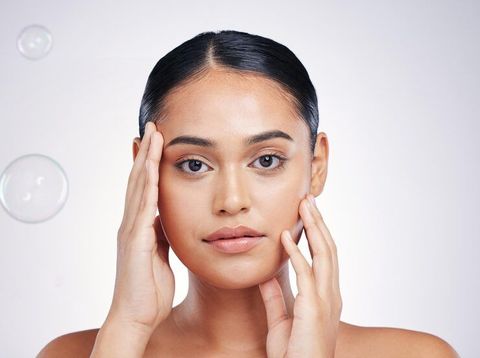
Korean glass skin is a beauty ideal that describes skin that looks smooth, plump, hydrated, translucent, and naturally luminous. It is not literally glass-like or poreless; it is healthy skin with a strong moisture barrier, minimal dryness, and an even, radiant appearance.
Key features of glass skin include:
Deep hydration
Smooth texture
Even skin tone
Healthy skin barrier
Minimal redness or irritation
Natural glow
Reduced appearance of dryness and roughness
Glass skin is achieved through consistent skincare, sun protection, and healthy habits—not through one product or overnight treatment.
Can Indian Skin Achieve It?
Yes, Indian skin can achieve a glass-skin appearance, but the result will depend on your natural skin tone, texture, pigmentation history, and climate.
Indian skin often has more melanin, which can provide some protection against sun damage but also makes the skin more prone to certain types of pigmentation. Conditions such as melasma, post-inflammatory hyperpigmentation, and uneven tone can be more noticeable or persistent in deeper skin tones.
You can achieve:
Smooth, hydrated skin
A healthy glow
More even-looking tone
Reduced dullness
Improved texture
Better barrier function
You may not achieve:
A lighter skin tone
Completely poreless skin
Permanent removal of all pigmentation
The exact appearance of another person’s skin
Healthy, glowing skin is possible at every skin tone. The aim should be to enhance your natural complexion, not lighten it.
How Climate Affects Indian Skin
India has diverse climates, but many regions are hot, humid, sunny, or polluted. These conditions can affect how skin behaves and which products feel comfortable.
| Climate Factor | Effect on Skin | Skincare Adjustment |
|---|---|---|
| Heat and humidity | More sweat, oil, and clogged pores | Lightweight gel or lotion moisturizer |
| Strong sunlight | Tanning, pigmentation, sun damage | Daily broad-spectrum sunscreen |
| Pollution | Oxidative stress, dullness, irritation | Gentle cleansing and antioxidants |
| Dry winters | Dehydration, flaking, barrier damage | Richer moisturizer and gentle cleansing |
| Air conditioning | Dryness and dehydration | Hydrating serum and moisturizer |
| Hard water | Dryness or irritation for some people | Gentle cleanser and barrier support |
In humid cities, heavy creams can feel uncomfortable and may clog pores for some people. In dry regions, lightweight products may not provide enough moisture. Adjust your routine based on your local climate and skin type.
Pigmentation and Indian Skin
Pigmentation is one of the most common skincare concerns for Indian skin. It can appear as dark spots, uneven tone, tanning, melasma, or dark marks left after acne.
Common causes include:
Sun exposure
Acne and inflammation
Hormonal changes
Skin irritation
Friction from rubbing or harsh scrubs
Certain skin conditions
Genetics
Pigmentation can take time to fade. Consistency is more important than using strong products quickly.
How to Reduce Pigmentation Safely
Use broad-spectrum sunscreen every day.
Avoid picking or squeezing pimples.
Use gentle cleansers and avoid harsh scrubbing.
Introduce brightening ingredients gradually.
Avoid unverified bleaching creams.
Treat acne early to prevent dark marks.
See a dermatologist for melasma, stubborn pigmentation, or worsening dark spots.
Sunscreen is the most important step for preventing and managing pigmentation. Without daily sun protection, other brightening products may not work well.
Building a Glass-Skin Routine
A glass-skin routine should be simple, gentle, and consistent. You do not need 10 products to achieve healthy, glowing skin.
Morning Routine
Gentle cleanser: Remove sweat, oil, and overnight buildup.
Hydrating toner or essence: Optional, but useful for adding lightweight moisture.
Vitamin C serum: Optional, for antioxidant support and brightness.
Moisturizer: Choose a gel, lotion, or cream based on your skin type.
Sunscreen: Use broad-spectrum SPF 30 or higher every morning.
Evening Routine
Cleanser: Remove sunscreen, makeup, pollution, and daily buildup.
Treatment: Use a targeted product only if needed, such as retinoid, acne treatment, or brightening serum.
Moisturizer: Support hydration and barrier repair.
Occlusive or sleeping mask: Optional for very dry skin.
Best Ingredients for Indian Skin
| Concern | Helpful Ingredients |
|---|---|
| Dryness | Hyaluronic acid, glycerin, ceramides, squalane |
| Dullness | Vitamin C, niacinamide, gentle exfoliating acids |
| Uneven tone | Niacinamide, vitamin C, azelaic acid, sunscreen |
| Acne | Salicylic acid, benzoyl peroxide, retinoids |
| Pigmentation | Vitamin C, niacinamide, azelaic acid, retinoids, sunscreen |
| Sensitive skin | Ceramides, centella asiatica, panthenol, fragrance-free products |
| Fine lines | Retinoids, peptides, antioxidants, sunscreen |
| Oily skin | Niacinamide, lightweight gels, salicylic acid |
Do not use too many active ingredients at once. Start slowly and give your skin time to adjust.
Korean Skincare Principles
Korean skincare is often associated with layering hydration, gentle products, and consistent sun protection. You do not need to copy a 10-step routine to benefit from these principles.
Useful Korean skincare habits include:
Gentle cleansing
Layering lightweight hydration
Using moisturizer to seal in moisture
Applying sunscreen daily
Avoiding harsh scrubbing
Treating skin concerns gradually
Maintaining a consistent routine
Korean skincare products can work well for Indian skin, but Indian climate and skin concerns may require different textures and active-ingredient choices.
Common Mistakes to Avoid
Using harsh scrubs or physical exfoliants too often
Skipping sunscreen
Using too many strong actives at once
Trying to lighten skin tone instead of improving skin health
Using unverified whitening creams
Picking or squeezing pimples
Changing products too frequently
Ignoring moisturizer
Using products not suited to your climate
Expecting overnight results
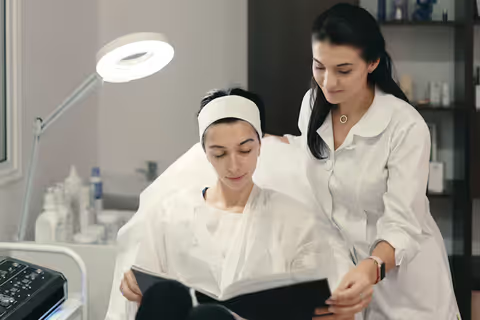
When to See a Dermatologist
See a dermatologist if you have:
Persistent or painful acne
Melasma or stubborn pigmentation
Sudden dark patches
Eczema, psoriasis, or rosacea
Severe dryness or irritation
Allergic reactions
Scarring
Skin conditions that do not improve with basic skincare
Questions about prescription-strength treatments
A dermatologist can recommend treatments based on your skin type, medical history, and specific concern.
Realistic Expectations
Glass skin is achievable as a healthy, hydrated, smooth, and glowing complexion. It is not about having a lighter skin tone or looking like someone else.
With consistent sunscreen, gentle cleansing, hydration, and targeted treatment for pigmentation or acne, Indian skin can look clear, radiant, and healthy in any climate.
Disclaimer: The information provided in this article is for informational purposes only. We do not make any claims or guarantees regarding the accuracy, reliability, or completeness of the information presented. The content is not intended as professional advice and should not be relied upon as such. Readers are encouraged to conduct their own research and consult with appropriate professionals before making any decisions based on the information provided in this article.