A chemical dosing system is a setup used to add controlled amounts of chemicals into water, liquids, or industrial processes. It is commonly found in water treatment plants, manufacturing units, agriculture, and even some residential systems. The main purpose of this system is to ensure that the right quantity of a chemical is introduced at the correct time and rate.
The concept of chemical dosing has been used for decades, especially in industries that require precise chemical reactions or water purification. Early systems were manual, requiring human monitoring and adjustment. Over time, automation and digital controls have improved accuracy and consistency.
A typical chemical dosing system includes components such as storage tanks, dosing pumps, control panels, sensors, and pipelines. These parts work together to measure, control, and deliver chemicals like chlorine, acids, or coagulants into a process stream.
Understanding how these systems function helps explain their role in maintaining water quality, supporting industrial processes, and reducing environmental impact.
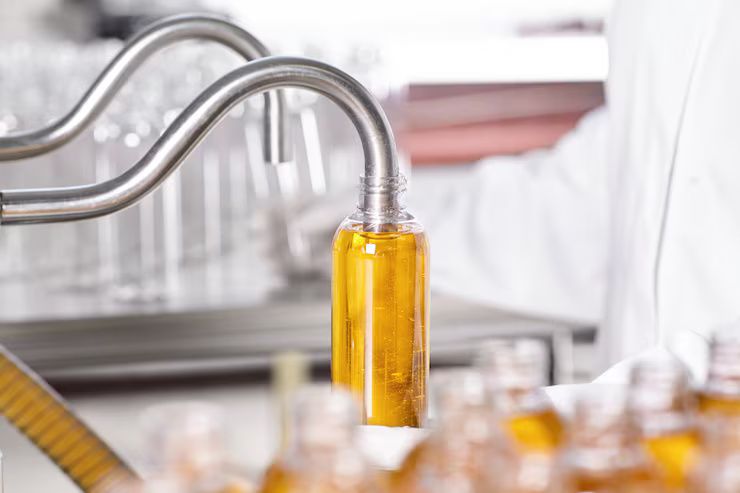
Importance
Chemical dosing systems play a significant role in modern infrastructure and daily life. They are widely used in water treatment facilities to ensure safe drinking water by controlling contaminants and balancing pH levels. Without proper dosing, water may become unsafe or unsuitable for consumption.
In industrial environments, these systems help maintain consistent production quality. For example, in food processing or textile manufacturing, precise chemical levels are necessary to achieve uniform results. In agriculture, dosing systems assist in irrigation by adding nutrients or fertilizers in controlled amounts.
Some of the key reasons why chemical dosing systems matter include:
- Water safety: Proper dosing removes harmful bacteria and impurities.
- Process efficiency: Accurate chemical input supports stable operations.
- Environmental protection: Prevents overuse of chemicals that could harm ecosystems.
- Resource management: Reduces waste by ensuring only required quantities are used.
These systems address challenges such as inconsistent chemical mixing, human error in manual dosing, and fluctuating process conditions. By automating chemical addition, they improve reliability and reduce the risk of underdosing or overdosing.
Recent Updates
Recent developments in chemical dosing systems between 2024 and 2026 focus on automation, digital monitoring, and sustainability. Advances in sensor technology have made it easier to measure chemical levels in real time, allowing systems to adjust dosing automatically.
One notable trend is the integration of Internet of Things (IoT) technology. Modern systems can now connect to cloud-based platforms, enabling remote monitoring and data analysis. Operators can track performance, receive alerts, and make adjustments without being physically present.
Another development is the use of smart dosing pumps. These pumps can adapt to changing conditions, such as variations in flow rate or chemical concentration. This improves accuracy and reduces the likelihood of errors.
Energy efficiency is also gaining attention. New systems are designed to consume less power while maintaining performance. Additionally, there is a growing focus on reducing chemical waste, which supports environmental goals.
The following table outlines key features in traditional and modern chemical dosing systems:
| Feature | Traditional Systems | Modern Systems |
|---|---|---|
| Control method | Manual or basic automation | Fully automated with sensors |
| Monitoring | On-site only | Remote and real-time |
| Data tracking | Limited | Detailed analytics |
| Energy efficiency | Moderate | Improved efficiency |
| Adjustment capability | Fixed settings | Adaptive and dynamic |
These updates reflect a shift toward more intelligent and responsive systems that can handle complex requirements with minimal manual intervention.
Laws or Policies
Chemical dosing systems are influenced by various laws and policies, especially those related to water quality, environmental protection, and industrial safety. Regulations vary by country, but they generally aim to ensure safe handling and use of chemicals.
In many regions, water treatment processes must comply with standards set by environmental agencies. These standards define acceptable levels of chemicals in drinking water and wastewater. Chemical dosing systems help facilities meet these requirements by maintaining consistent dosing levels.
Industrial operations are also subject to safety regulations. These rules often require proper storage, handling, and monitoring of chemicals to prevent accidents or leaks. Dosing systems are designed to minimize human exposure and reduce risks associated with manual handling.
Some policies also focus on environmental impact. For example, limits may be placed on the discharge of certain chemicals into natural water bodies. Accurate dosing helps industries stay within these limits and avoid contamination.
Key regulatory considerations often include:
- Water quality standards: Ensuring safe levels of disinfectants and additives.
- Workplace safety rules: Protecting workers from hazardous exposure.
- Environmental guidelines: Preventing pollution and chemical overuse.
- Reporting requirements: Maintaining records of chemical usage and system performance.
These regulations encourage the use of reliable and well-maintained chemical dosing systems to support compliance and public safety.
Tools and Resources
Several tools and resources are available to help understand and manage chemical dosing systems. These tools assist in system design, monitoring, and performance evaluation.
Common types of tools include:
- Dosing calculators: Used to determine the correct amount of chemical needed based on flow rate and concentration.
- Monitoring software: Tracks system performance and provides alerts for irregularities.
- Simulation platforms: Helps model how a dosing system will behave under different conditions.
- Maintenance checklists: Guides routine inspection and upkeep of system components.
Some widely used platforms and resources include:
- Online water treatment calculators that estimate chemical requirements.
- Industrial automation software that integrates with dosing equipment.
- Technical guides from environmental agencies that explain dosing standards.
- Training materials that provide basic knowledge about system operation.
Using these tools can improve understanding and ensure that chemical dosing systems function effectively over time.
FAQs
What is a chemical dosing system used for?
A chemical dosing system is used to add precise amounts of chemicals into a liquid or process. It is commonly used in water treatment, industrial production, and agriculture to maintain proper chemical balance.
How does a chemical dosing system work?
A chemical dosing system works by using a pump and control mechanism to inject chemicals into a flow. Sensors may monitor conditions such as pH or flow rate, allowing the system to adjust dosing automatically.
Why is accuracy important in a chemical dosing system?
Accuracy is important because incorrect dosing can lead to problems such as unsafe water, damaged equipment, or inefficient processes. Proper dosing ensures consistent results and reduces waste.
Where are chemical dosing systems commonly used?
Chemical dosing systems are used in water treatment plants, manufacturing facilities, irrigation systems, and swimming pools. They are also found in industries such as food processing and pharmaceuticals.
Can chemical dosing systems be automated?
Yes, many modern chemical dosing systems are automated. They use sensors, controllers, and software to monitor conditions and adjust chemical input without manual intervention.
Conclusion
Chemical dosing systems are essential for managing the controlled addition of chemicals in various applications. They support water safety, industrial consistency, and environmental protection by ensuring accurate and reliable dosing. Advances in technology have made these systems more efficient, automated, and adaptable to changing conditions. Regulations and tools further guide their proper use and maintenance. Understanding these systems helps highlight their role in everyday processes and infrastructure.