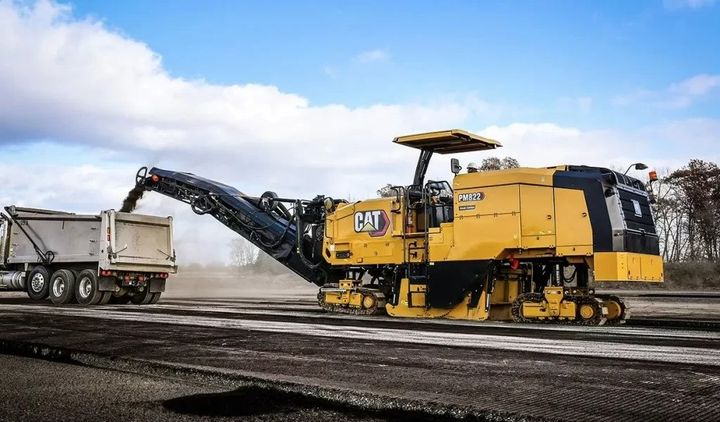
Cold Planers Overview: Features, Functions, and Industry Uses
Cold planers are specialized machines used in road construction and pavement rehabilitation projects.
They are designed to remove layers of asphalt or concrete surfaces without applying heat, which is why they are known as cold planers. These machines play an important role in maintaining transportation infrastructure by preparing roads for resurfacing, repair, or reconstruction.
The development of cold planer machines is closely linked to the growing need for efficient road maintenance. As road networks expanded, engineers required equipment capable of removing damaged pavement while preserving the underlying structure whenever possible. This need led to the advancement of asphalt milling machines and pavement milling machines that can precisely remove surface materials.
Today, road milling equipment is widely used in highway maintenance, urban road repairs, airport runway rehabilitation, and other infrastructure projects. The material removed during milling can often be processed and reused, making these machines an important part of modern asphalt pavement recycling equipment systems.
Key Features of Cold Planers
Cold planers are equipped with several components that enable efficient pavement removal:
- Rotating milling drums contain cutting tools that remove asphalt or concrete layers.
- Conveyor systems transport milled material away from the machine.
- Depth control systems help operators achieve accurate milling depths.
- Dust management systems assist in controlling airborne particles.
- Operator cabins provide visibility and control over machine functions.
These features allow cold planer manufacturers to develop machines suitable for a variety of project sizes and pavement conditions.
Common Types of Cold Planer Machines
Different project requirements have led to the development of multiple machine categories:
| Machine Type | Typical Use |
|---|---|
| Compact Cold Planers | Urban roads, sidewalks, and small repairs |
| Mid-Size Cold Planers | Municipal road rehabilitation projects |
| Large Cold Planers | Highways, airports, and major infrastructure work |
| Specialized Milling Machines | Precision surface correction and texture improvement |
Each category serves different operational needs within pavement rehabilitation solutions and road maintenance programs.
Importance
Road surfaces naturally deteriorate over time due to traffic loads, weather conditions, and environmental factors. Cracks, potholes, rutting, and uneven pavement can affect transportation efficiency and safety. Cold planers help address these challenges by removing damaged pavement layers before new materials are applied.
Supporting Road Rehabilitation
Road rehabilitation machinery is essential because complete road reconstruction is not always necessary. In many cases, only the surface layer requires removal and replacement. Cold planers make this process more efficient by targeting specific pavement sections.
By removing deteriorated layers while preserving stable underlying structures, pavement maintenance equipment contributes to extending the useful life of transportation networks.
Enabling Material Reuse
One significant advantage of asphalt milling machines is their role in material recovery. Milled asphalt can often be processed and incorporated into future paving projects. This practice supports resource conservation and reduces demand for new raw materials.
As a result, asphalt pavement recycling equipment has become an important component of modern infrastructure management strategies.
Improving Surface Quality
Cold planers help create smooth and uniform surfaces before resurfacing operations begin. This process improves pavement quality and supports better bonding between existing and new pavement layers.
Road repair equipment suppliers frequently work with construction organizations that require precise milling results for highway rehabilitation, airport maintenance, and municipal road projects.
Recent Updates
The cold planer industry has experienced several developments as construction technology continues to evolve. Recent trends focus on improving operational efficiency, precision, sustainability, and data integration.
Increased Automation
Modern cold planer machines increasingly include automated controls that assist operators with depth management and machine positioning. These technologies help improve consistency across large milling projects.
Advanced sensors can monitor machine performance and provide real-time information that supports operational decisions during milling activities.
Digital Monitoring Systems
Many heavy road construction equipment manufacturers are incorporating digital monitoring platforms into their machinery. These systems collect operational data related to fuel consumption, production rates, and maintenance requirements.
Digital tools allow project managers to evaluate equipment performance and improve planning for future pavement rehabilitation projects.
Focus on Sustainability
Environmental considerations continue to influence infrastructure construction machinery design. Manufacturers are developing systems that support material recycling, dust reduction, and improved fuel efficiency.
The growing emphasis on circular construction practices has increased interest in asphalt pavement recycling equipment and technologies that maximize recovered material use.
Enhanced Precision Technology
Newer pavement milling machines often include advanced grade and slope control systems. These technologies help operators achieve highly accurate milling depths and smoother finished surfaces.
Precision improvements are particularly valuable for highway maintenance equipment used on large-scale transportation projects where surface quality standards are important.
Laws or Policies
Cold planers operate within a framework of construction regulations, transportation standards, and environmental requirements. These rules vary by country and region, but several common policy areas influence their use.
Transportation Infrastructure Standards
Government transportation agencies typically establish specifications for road rehabilitation and pavement maintenance activities. These standards define acceptable milling depths, surface tolerances, and material handling procedures.
Projects involving road milling equipment generally follow these technical guidelines to ensure consistent pavement quality.
Environmental Regulations
Environmental policies often address dust emissions, noise levels, waste management, and recycling practices associated with construction operations.
Many jurisdictions encourage or require the reuse of milled asphalt materials whenever feasible. This supports broader sustainability objectives within infrastructure construction programs.
Worker Safety Requirements
Road construction environments present operational risks that require safety measures. Regulations commonly address operator training, protective equipment, traffic management, and machine safety features.
Cold planer manufacturers typically design equipment with safety systems intended to support compliance with workplace safety standards.
Public Infrastructure Programs
Many governments invest in road improvement and transportation modernization initiatives. These programs often create demand for road rehabilitation machinery, pavement maintenance equipment, and other forms of heavy road construction equipment.
Infrastructure funding programs frequently prioritize projects aimed at extending pavement life and improving transportation reliability.
Tools and Resources
Several tools and resources help professionals plan, manage, and evaluate pavement rehabilitation projects involving cold planers.
Pavement Management Software
Pavement management platforms assist transportation agencies and contractors in tracking road conditions, scheduling maintenance activities, and prioritizing rehabilitation projects.
These systems often use condition data to determine when pavement milling may be appropriate.
Geographic Information Systems
Geographic Information Systems (GIS) support infrastructure planning by mapping road networks and identifying areas requiring maintenance.
GIS tools help organizations coordinate pavement rehabilitation solutions across large transportation systems.
Equipment Monitoring Platforms
Modern road milling equipment frequently includes telematics systems that collect operational information. These platforms provide data related to machine utilization, maintenance schedules, and project performance.
Such tools can improve fleet management and support informed decision-making.
Engineering Design Software
Engineering applications assist in developing road rehabilitation plans and evaluating pavement conditions. These resources help determine milling depths, resurfacing requirements, and material quantities.
Government Transportation Websites
Transportation agency websites often provide:
- Pavement design guidelines
- Infrastructure project information
- Construction specifications
- Maintenance standards
- Environmental compliance resources
These materials help stakeholders understand current requirements related to road rehabilitation projects.
FAQs
What are cold planers used for?
Cold planers are used to remove damaged asphalt or concrete layers from road surfaces. They prepare pavements for resurfacing, rehabilitation, or reconstruction while helping maintain smooth and durable roadways.
How do cold planer machines differ from other road construction equipment?
Cold planer machines specifically remove existing pavement layers through milling operations. Other road construction equipment may focus on paving, compaction, excavation, or material transport rather than pavement removal.
Are asphalt milling machines used in pavement recycling?
Yes. Asphalt milling machines often produce reclaimed asphalt material that can be processed and reused in future paving projects. This makes them an important part of asphalt pavement recycling equipment systems.
What types of projects use road milling equipment?
Road milling equipment is commonly used for highway maintenance, airport runway rehabilitation, municipal street repairs, bridge deck preparation, and large-scale infrastructure improvement projects.
Why are pavement milling machines important for road rehabilitation?
Pavement milling machines allow damaged pavement layers to be removed while preserving stable underlying structures when appropriate. This supports efficient pavement rehabilitation solutions and helps extend roadway service life.
Conclusion
Cold planers are important machines within modern road construction and maintenance operations. They remove damaged pavement layers, support rehabilitation projects, and contribute to asphalt recycling efforts. Advances in automation, digital monitoring, and precision controls continue to influence the development of cold planer machines. As transportation infrastructure ages, road milling equipment remains a key component of pavement maintenance, rehabilitation, and long-term infrastructure management strategies.