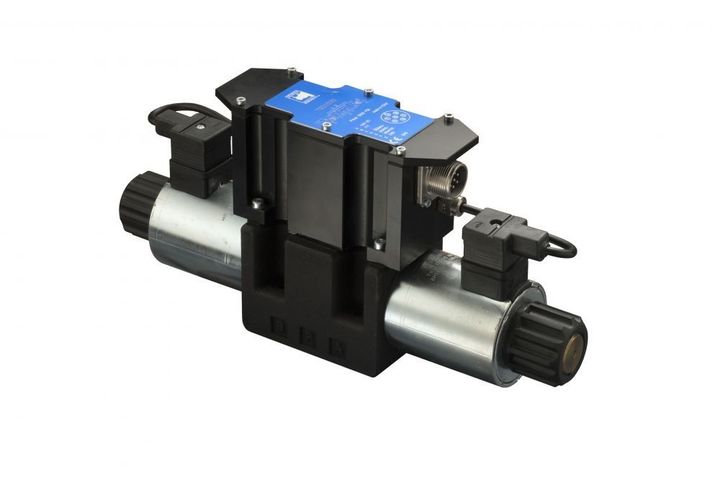
Complete Guide to Proportional Valves: Basics, Facts and Resources
Proportional valves are an important part of modern hydraulic and pneumatic systems. They help regulate the flow, pressure, or direction of fluids by responding to electrical input signals. Unlike traditional on/off valves, proportional valves can adjust gradually, making them suitable for applications that require accurate and smooth control. Today, they are widely used in manufacturing, industrial automation, agriculture, construction equipment, and process control.
As industries continue to adopt automation and digital technologies, proportional valves have become increasingly important for improving precision and system performance. Understanding how these valves work, where they are used, and the latest developments can help engineers, technicians, students, and anyone interested in industrial equipment gain practical knowledge of this essential technology.
Context
Proportional valves are control valves that regulate hydraulic oil, water, air, or other fluids in proportion to an electrical input signal. Instead of operating in only fully open or fully closed positions, these valves adjust continuously to match the required operating conditions.
Their development was driven by the need for more precise fluid control in industrial machinery. Earlier systems often relied on manually adjusted or simple solenoid valves that provided limited flexibility. As automation expanded, proportional valves became an effective solution for controlling motion, force, speed, and pressure with greater accuracy.
How Proportional Valves Work
A proportional valve receives an electrical signal from a controller or programmable system. The signal moves an internal spool or poppet by varying the magnetic force produced by a proportional solenoid. This movement changes the flow path or pressure level inside the valve.
The result is smooth and adjustable fluid control rather than sudden switching.
Common Types of Proportional Valves
| Valve Type | Primary Function | Typical Applications |
|---|---|---|
| Proportional Flow Valve | Controls flow rate | Hydraulic machinery, conveyors |
| Proportional Pressure Valve | Regulates pressure | Presses, testing equipment |
| Proportional Directional Valve | Controls flow direction | Mobile equipment, robotics |
| Electro-Hydraulic Proportional Valve | Combines electronic and hydraulic control | Industrial automation |
| Pneumatic Proportional Valve | Controls compressed air | Packaging and assembly systems |
Importance
Proportional valves improve the performance of machines by providing accurate and repeatable fluid control. Smooth adjustment helps reduce sudden movements, improves operational stability, and supports automated processes.
Many industries depend on proportional valves because they can respond quickly to changing operating conditions while maintaining precise control.
They are commonly used in:
- Manufacturing equipment
- Construction machinery
- Agricultural equipment
- Material handling systems
- Plastic processing machines
- Food processing equipment
- Industrial robotics
- Renewable energy systems
Their ability to integrate with electronic controllers also supports modern digital manufacturing and automated production environments.
Recent Updates
From 2024 through 2026, proportional valve technology has continued evolving alongside industrial automation and smart manufacturing initiatives.
Manufacturers are introducing valves with improved electronic controls that provide faster response times and more accurate flow regulation. Digital communication protocols such as industrial Ethernet and fieldbus technologies are becoming increasingly common, allowing proportional valves to communicate directly with control systems.
Another noticeable trend is the integration of condition monitoring. Modern proportional valves may include sensors that continuously monitor operating conditions such as pressure, temperature, spool position, and valve performance. This information supports predictive maintenance and reduces unexpected equipment downtime.
Energy efficiency has also become an important focus. Improved valve designs help reduce energy losses in hydraulic systems while maintaining precise control. Industries are also adopting proportional valves that work more effectively with variable-speed pumps and energy-efficient hydraulic circuits.
Artificial intelligence and Industrial Internet of Things (IIoT) technologies are gradually being incorporated into industrial control systems, allowing proportional valves to become part of larger smart factory environments where operating data can be monitored and analyzed continuously.
Laws or Policies
The design, installation, and operation of proportional valves are influenced by several engineering standards and safety regulations rather than one single law. These standards help improve compatibility, reliability, and safe operation across industries.
Important standards include:
- ISO standards covering hydraulic and pneumatic fluid power systems.
- IEC standards related to electrical control equipment.
- Machinery safety regulations requiring proper control system design.
- Occupational safety regulations that address safe operation and maintenance of industrial equipment.
- Environmental regulations encouraging improved energy efficiency and responsible fluid handling.
Organizations should also follow equipment manufacturer documentation, industry-specific safety procedures, and national engineering regulations applicable in their region.
Compliance with established standards supports safe installation, reliable operation, and consistent system performance throughout the equipment lifecycle.
Tools and Resources
Several technical resources help users understand, select, install, and maintain proportional valves correctly.
Useful resources include:
- Manufacturer technical documentation
- Hydraulic system design software
- Pneumatic circuit simulation programs
- Engineering reference handbooks
- Industrial automation training platforms
- Engineering standards organizations
- Technical specification sheets
- Preventive maintenance checklists
Helpful Engineering Resources
Many engineering websites provide educational articles, application guides, calculation references, and downloadable documentation covering proportional valves and fluid power systems. Universities and professional engineering organizations also publish learning materials that explain valve sizing, hydraulic calculations, pressure control principles, and troubleshooting methods.
These resources help students, maintenance personnel, engineers, and equipment designers improve their understanding without relying only on product documentation.
FAQs
What is a proportional valve?
A proportional valve is a control valve that continuously adjusts fluid flow, pressure, or direction according to an electrical input signal instead of operating only in open or closed positions.
Where are proportional valves commonly used?
They are widely used in hydraulic machinery, factory automation, construction equipment, agricultural machines, robotics, material handling systems, and industrial processing equipment.
How is a proportional valve different from a standard solenoid valve?
A standard solenoid valve normally switches fully on or fully off. A proportional valve provides gradual adjustment, allowing much finer control of system performance.
Do proportional valves require electronic controllers?
Most proportional valves operate with electronic controllers that generate variable electrical signals based on the required operating conditions.
Why are proportional valves important in automation?
They provide accurate motion and pressure control, allowing automated equipment to perform complex tasks with improved precision, consistency, and efficiency.
Conclusion
Proportional valves play a significant role in modern hydraulic and pneumatic control systems by providing accurate regulation of fluid flow, pressure, and direction. Their ability to respond smoothly to electrical signals makes them valuable across a wide range of industrial applications.
Advances in digital communication, condition monitoring, energy-efficient designs, and smart manufacturing continue to expand the capabilities of proportional valves. As automation technologies evolve, understanding the basics, applications, standards, and available technical resources remains valuable for engineers, technicians, students, and industrial professionals.
Learning about proportional valves also provides a stronger foundation for understanding broader fluid power systems and industrial automation technologies. Keeping up with current engineering standards and technological developments helps support safer, more efficient, and more reliable equipment operation.