Corporate Security Guide: Protecting People, Assets, and Data
Modern organizations face many different security challenges. These challenges are no longer limited to protecting buildings or preventing unauthorized entry. Today, corporate security includes physical safety, digital protection, employee awareness, emergency planning, and risk management. Whether an organization is small or large, a thoughtful security approach helps reduce risks and supports daily operations.
Corporate security combines policies, procedures, technology, and trained personnel to create a safer working environment. Rather than focusing on a single threat, it considers a wide range of possible situations that could affect people, information, equipment, and business continuity.

What Is Corporate Security?
Corporate security is the process of protecting an organization from internal and external threats. It covers physical locations, digital systems, confidential information, employees, visitors, and valuable assets.
A complete security program usually includes several connected areas. Physical security helps protect buildings and facilities. Information security focuses on digital data and computer systems. Employee awareness encourages safe daily habits. Emergency planning prepares organizations for unexpected events such as natural disasters or security incidents.
Instead of reacting only after problems occur, corporate security encourages preparation, monitoring, and continuous improvement.
Why Corporate Security Matters
Every organization depends on people, information, equipment, and facilities. If any of these are affected by a security incident, normal operations can become difficult.
A strong security framework helps organizations:
- Protect employees and visitors
- Reduce the chance of unauthorized access
- Safeguard sensitive information
- Support business continuity during emergencies
- Minimize operational disruption
- Build confidence among employees and business partners
Security planning also helps organizations respond more effectively when unexpected situations arise.
Main Areas of Corporate Security
Corporate security includes several important components that work together.
Physical Security
Physical security protects buildings, offices, warehouses, equipment, and other facilities from unauthorized access or damage.
Common physical security measures include:
- Access control systems
- Identification badges
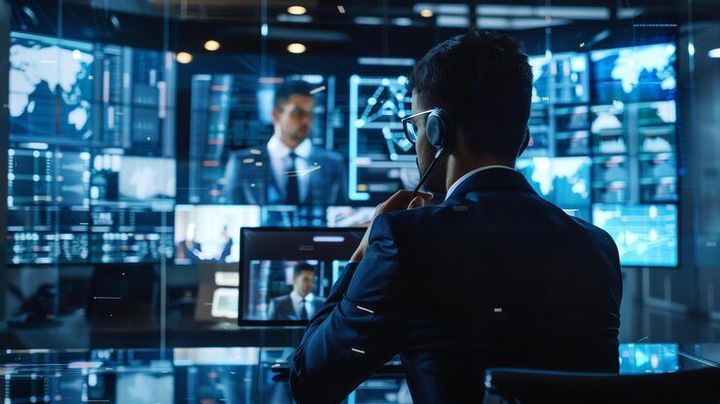
- Security cameras
- Visitor registration
- Security lighting
- Alarm systems
- Locked storage areas
- Controlled entry points
These measures help monitor activity while creating a safer environment for everyone on the premises.
Information Security
Many organizations store important information in digital form. Information security protects confidential files, customer records, financial documents, and internal communications.
Important practices include:
- Strong password policies
- Multi-factor authentication
- Data encryption
- Secure backups
- Software updates
- Network monitoring
- Access permissions based on employee roles
Information security continues to evolve as organizations adopt cloud platforms and remote work environments.
Employee Awareness
Technology alone cannot prevent every security issue. Employees play an important role in maintaining workplace safety.
Training programs often cover topics such as:
- Recognizing suspicious emails
- Creating strong passwords
- Protecting confidential documents
- Reporting unusual activity
- Safe visitor procedures
- Emergency response guidelines
Regular education helps employees understand their responsibilities without requiring technical expertise.
Common Corporate Security Risks
Organizations face a variety of security risks. Understanding these risks helps create more effective protection strategies.
Unauthorized Access
Individuals without permission may attempt to enter restricted areas or access confidential information.
Access controls and identification procedures help reduce this risk.
Cyber Threats
Cyber incidents continue to affect organizations across many industries. These may include phishing emails, malware, ransomware, or attempts to steal sensitive information.
Regular software updates and employee awareness play important roles in reducing digital risks.
Insider Risks
Not every security issue comes from outside an organization. Accidental mistakes or intentional misuse by authorized individuals can also create challenges.
Clear policies and limited access permissions help reduce these risks.
Theft and Property Damage
Equipment, inventory, and valuable materials may become targets for theft or vandalism.
Security cameras, controlled access, and inventory management help improve protection.
Natural Disasters
Floods, storms, earthquakes, and fires can interrupt normal operations.
Emergency preparedness plans help organizations respond more effectively during these situations.
Technology Used in Corporate Security
Modern security programs often combine several technologies to improve awareness and response.
Examples include:
- CCTV surveillance systems
- Smart access control
- Biometric authentication
- Motion detection sensors
- Visitor management software
- Network monitoring tools
- Security information platforms
- Mobile alert systems
Technology supports security teams by providing real-time information and faster incident detection.
Creating an Effective Security Plan
A successful corporate security program usually begins with careful planning.
Identify Important Assets
Organizations first determine which people, facilities, information, and equipment require protection.
Assess Potential Risks
Risk assessments examine possible threats and estimate how likely they are to occur.
This process helps organizations prioritize security efforts.
Develop Security Policies
Written policies explain expectations for employees, visitors, contractors, and management.
Policies often include:
- Building access rules
- Password requirements
- Visitor procedures
- Incident reporting
- Emergency communication
- Data handling guidelines
Clear documentation encourages consistency throughout the organization.
Train Employees
Regular training keeps security awareness current.
Short refresher sessions throughout the year often reinforce important practices more effectively than a single annual presentation.
Review and Improve
Security needs change as organizations grow and technology evolves.
Periodic reviews help identify areas where policies or equipment may require updates.
Emergency Preparedness
Even well-prepared organizations may experience unexpected events.
Emergency planning helps reduce confusion during situations such as:
- Fire emergencies
- Severe weather
- Medical incidents
- Power outages
- Security threats
- Building evacuations
Emergency plans usually include communication procedures, evacuation routes, emergency contacts, and recovery priorities.
Practice exercises help employees become familiar with these procedures before an actual emergency occurs.
The Importance of Access Control
Access control determines who may enter specific locations or use particular systems.
Organizations often apply different access levels depending on employee responsibilities.
Examples include:
- Office entry cards
- Keypad access
- Mobile credentials
- Biometric verification
- Temporary visitor passes
Limiting access reduces unnecessary exposure to sensitive information and restricted areas.
Building a Security-Conscious Workplace
Corporate security is not only about equipment or technology. It also depends on workplace culture.
Organizations encourage security awareness by:
- Communicating clear expectations
- Encouraging incident reporting
- Providing regular training
- Updating policies when needed
- Supporting safe workplace habits
When employees understand basic security practices, they become active participants in protecting the organization.
Future Trends in Corporate Security
Corporate security continues to evolve alongside technology and changing workplace environments.
Several trends are becoming more common:
- Artificial intelligence for monitoring unusual activity
- Cloud-based security management
- Remote workforce protection
- Integrated physical and digital security systems
- Improved identity verification
- Data analytics for risk assessment
Organizations continue adapting these approaches as new risks and technologies emerge.
Conclusion
Corporate security is an ongoing process that combines planning, technology, employee awareness, and continuous improvement. Protecting people, facilities, information, and equipment requires attention across many areas rather than relying on a single solution.
As workplaces continue to change, organizations benefit from regularly reviewing their security practices and preparing for both physical and digital challenges. A balanced approach helps reduce risks, supports daily operations, and creates a safer environment for employees, visitors, and valuable organizational assets.