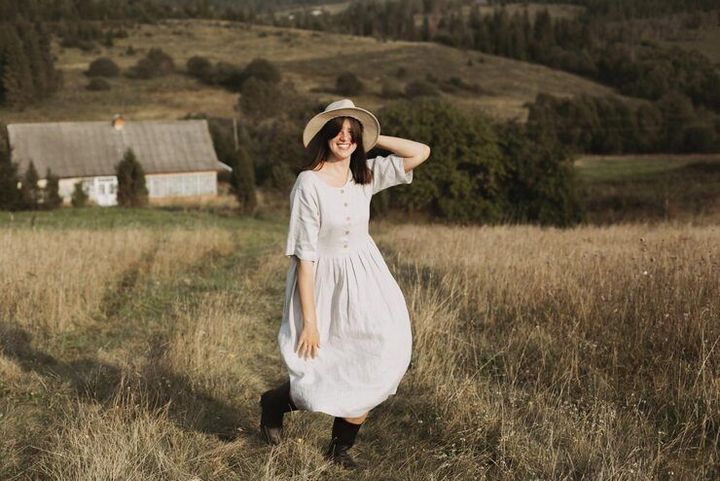
Cottagecore Fashion: A Complete Guide to Romantic and Nature-Inspired Style
Cottagecore fashion is a style movement inspired by rural life, traditional craftsmanship, gardens, and a slower connection to everyday routines. The aesthetic emphasizes natural materials, soft colors, and clothing influenced by historical countryside traditions.
Discussions surrounding cottagecore clothing often include themes of simplicity, creativity, and appreciation for handmade practices.
Although the term gained popularity through digital communities in recent years, its visual influences extend much further into history. Elements of nineteenth-century rural dress, folk traditions, and vintage garments all contribute to the modern interpretation of cottagecore fashion. These influences appear in flowing silhouettes, floral patterns, and practical yet decorative details.
Cottagecore dresses for women are among the most recognizable pieces within the aesthetic. Long skirts, puff sleeves, embroidered fabrics, and natural fibers frequently characterize these garments. Cottagecore aesthetic clothing also incorporates aprons, knitwear, woven accessories, and countryside-inspired patterns.
Vintage cottagecore outfits draw inspiration from older forms of dress while adapting them for contemporary lifestyles. At the same time, luxury cottagecore clothing and handmade cottagecore clothing highlight craftsmanship and textile traditions that continue to shape modern fashion.
Common Cottagecore Clothing Elements
| Garment Type | Typical Materials | Common Colors | Historical Influence |
|---|---|---|---|
| Floral Dress | Cotton, linen | Cream, sage, rose | Rural attire |
| Knit Cardigan | Wool, cotton blends | Beige, brown | Handmade traditions |
| Long Skirt | Linen, lightweight wool | Earth tones | Folk fashion |
| Apron Dress | Cotton | Soft pastels | Domestic clothing history |
| Straw Accessories | Natural fibers | Neutral shades | Agricultural lifestyles |
These elements help define the visual language associated with cottagecore wardrobes.
Importance
Encouraging Appreciation for Craftsmanship
Handmade cottagecore clothing reflects interest in sewing, embroidery, knitting, and textile arts. Many people drawn to the style value traditional techniques that connect fashion with creative expression and cultural heritage.
The movement highlights the importance of preserving skills passed through generations.
Supporting Personal Identity
Fashion often functions as a means of storytelling. Cottagecore clothing allows individuals to communicate interests related to nature, creativity, gardening, literature, and traditional lifestyles.
Clothing choices become part of broader cultural and personal narratives.
Promoting Thoughtful Wardrobes
Cottagecore wardrobe essentials frequently consist of versatile garments designed for repeated use across different seasons. Neutral colors and natural materials encourage coordinated styling approaches.
Examples include:
- Linen dresses.
- Knit sweaters.
- Long skirts.
- Woven hats.
- Leather footwear.
These pieces can work together without relying on rapidly changing trends.
Reviving Historical Influences
Vintage cottagecore outfits preserve visual references to earlier periods while adapting them for modern contexts. Historical clothing traditions remain important sources of inspiration within contemporary design.
Fashion historians often note the cyclical nature of styles rooted in nostalgia and cultural memory.
Connecting Fashion and Nature
The emphasis on gardens, forests, and rural environments distinguishes cottagecore fashion from many urban-centered trends. Natural motifs influence colors, fabrics, and decorative details throughout the aesthetic.
This relationship encourages greater appreciation for environmental themes within clothing culture.
Recent Updates
Increased Interest in Natural Fibers
Between 2024 and 2026, discussions surrounding cottagecore aesthetic clothing increasingly focused on linen, cotton, and wool. Natural materials align closely with the movement's emphasis on traditional craftsmanship and environmental awareness.
Textile durability also received greater attention among fashion communities.
Growth of Handmade Practices
Handmade cottagecore clothing continues attracting interest from individuals exploring sewing, embroidery, and knitting. Creative hobbies complement the broader philosophy associated with slower and more intentional living.
Digital tutorials have expanded access to these traditional techniques.
Evolution of Contemporary Styling
Cottagecore dresses for women now appear in a variety of settings beyond rural-inspired imagery. Many people combine classic elements with modern accessories and practical everyday clothing.
This adaptability contributes to the continued relevance of the aesthetic.
Greater Appreciation for Heritage Textiles
Regional weaving traditions, folk embroidery, and historical garment construction methods have influenced recent interpretations of luxury cottagecore clothing.
Designers increasingly reference cultural heritage within contemporary collections.
Digital Communities and Visual Storytelling
Online platforms remain important spaces for sharing vintage cottagecore outfits, gardening interests, reading lists, and creative projects. Fashion and lifestyle themes often intersect within these communities.
The aesthetic continues evolving through collaborative exchange and artistic experimentation.
Laws or Policies
Textile Labeling Standards
Many countries require clothing labels to identify material composition and maintenance instructions. These regulations help consumers understand garment properties and care requirements.
Cottagecore clothing follows the same standards as other apparel categories.
Environmental Frameworks
Environmental policies increasingly influence textile production worldwide. Water management, chemical use, and waste reduction represent important considerations within modern manufacturing practices.
These developments affect natural fiber production and garment construction.
Cultural Heritage Protections
Traditional textile patterns and regional crafts may receive recognition through cultural preservation initiatives. Such measures encourage continued appreciation for historical techniques.
Handmade cottagecore clothing sometimes draws inspiration from these traditions.
Workplace Regulations
Garment production operates within legal frameworks concerning worker safety and manufacturing conditions. These regulations contribute to responsible practices across international fashion industries.
Trade and Import Requirements
International movement of textiles and clothing depends upon customs procedures and classification systems. These standards support consistent global commerce.
Fashion products influenced by traditional craftsmanship also operate within these frameworks.
Tools and Resources
Sewing and Pattern Platforms
Digital resources provide access to historical sewing patterns and garment construction guidance. Individuals interested in cottagecore wardrobe essentials often use these materials to explore handmade clothing projects.
Traditional methods remain valuable educational tools.
Museum Archives
Fashion museums preserve rural garments, folk costumes, and historical textiles that inspire contemporary cottagecore fashion. Online collections make these resources widely accessible.
Historical understanding enriches modern interpretations.
Textile Education Resources
Educational platforms covering natural fibers and garment care contribute to informed clothing choices.
Common topics include:
- Linen characteristics.
- Wool maintenance.
- Embroidery methods.
- Historical dress traditions.
- Sustainable textile practices.
These areas support deeper appreciation for craftsmanship.
Gardening and Lifestyle Publications
The cottagecore aesthetic frequently overlaps with interests in gardening, cooking, and rural history. Books and digital publications explore these interconnected themes.
Fashion becomes part of a broader cultural experience.
Community Forums and Creative Networks
Online communities encourage discussions about vintage cottagecore outfits, sewing projects, and seasonal styling ideas. Shared knowledge contributes to ongoing creative development.
Understanding Cottagecore Style Elements
Color Palettes
Soft, earthy colors define much of cottagecore aesthetic clothing. Cream, sage green, dusty rose, brown, and muted yellow frequently appear within coordinated wardrobes.
These tones reflect landscapes, gardens, and natural environments.
Fabric Selection
Natural fibers play an important role in both luxury cottagecore clothing and everyday interpretations of the style. Linen and cotton remain especially popular because of their texture and historical associations.
Material quality contributes significantly to the aesthetic experience.
Silhouettes and Shape
Flowing dresses, gathered sleeves, and long skirts create relaxed and comfortable silhouettes. Cottagecore dresses for women often prioritize movement and simplicity over highly structured forms.
Historical influences remain visible within these design choices.
Decorative Techniques
Embroidery, lace details, smocking, and handcrafted elements contribute to the visual identity of handmade cottagecore clothing.
These methods reflect longstanding textile traditions that continue to inspire contemporary fashion.
Wardrobe Foundations
Cottagecore wardrobe essentials commonly include:
| Essential Item | Purpose | Typical Material |
|---|---|---|
| Linen Dress | Everyday styling | Linen |
| Knit Cardigan | Layering | Wool |
| Long Skirt | Versatility | Cotton |
| Woven Bag | Accessories | Natural fibers |
| Leather Boots | Outdoor wear | Leather |
These pieces support a cohesive and adaptable wardrobe.
Cottagecore Fashion in Contemporary Culture
Cottagecore fashion extends beyond clothing into broader discussions about creativity, sustainability, and cultural memory. The aesthetic reflects interest in slower routines, traditional skills, and meaningful connections with nature.
Vintage cottagecore outfits demonstrate how historical references can remain relevant within modern lifestyles. Rather than replicating specific periods exactly, contemporary interpretations adapt older influences to current preferences.
Luxury cottagecore clothing frequently emphasizes craftsmanship and material quality. Attention to textiles, construction methods, and artistic detail aligns with the movement's appreciation for enduring design principles.
Meanwhile, handmade cottagecore clothing illustrates the value of personal creativity. Sewing, knitting, and embroidery provide opportunities for individual expression while preserving traditional practices.
The continued popularity of cottagecore fashion suggests an ongoing desire for authenticity, craftsmanship, and cultural connection within contemporary clothing culture.
FAQs
What is cottagecore fashion?
Cottagecore fashion is a style inspired by rural traditions, natural environments, vintage influences, and handcrafted clothing techniques.
What are common cottagecore wardrobe essentials?
Cottagecore wardrobe essentials often include linen dresses, knit cardigans, long skirts, woven accessories, and comfortable footwear made from natural materials.
Why are cottagecore dresses for women so recognizable?
Cottagecore dresses for women frequently feature flowing silhouettes, floral patterns, soft colors, and details influenced by historical countryside clothing.
How do vintage cottagecore outfits differ from modern interpretations?
Vintage cottagecore outfits draw directly from historical garments, while modern styles combine traditional influences with contemporary comfort and practicality.
What defines handmade cottagecore clothing?
Handmade cottagecore clothing emphasizes sewing, embroidery, knitting, and other craft traditions that highlight personal creativity and textile heritage.
Conclusion
Cottagecore fashion combines historical influences, natural aesthetics, and appreciation for traditional craftsmanship. The movement encourages thoughtful wardrobe choices, creative expression, and interest in handmade techniques. From cottagecore dresses for women to broader wardrobe essentials, the style continues evolving while maintaining strong connections to rural heritage and cultural memory. Its enduring appeal reflects the relationship between clothing, environment, and personal identity.