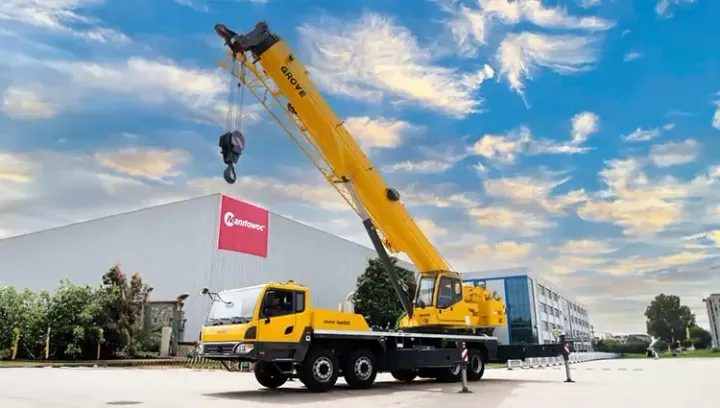
Crane Rental in Dubai: Complete Guide to Crane Hire and Oil & Gas Project Lifting Solutions
Dubai is home to some of the Middle East's largest construction, infrastructure, energy, and industrial projects. From high-rise developments and port expansions to refinery maintenance and oil and gas facilities, heavy lifting equipment plays an essential role in supporting safe and efficient operations.
Crane Rental in Dubai provides businesses with flexible access to specialized lifting equipment without the long-term commitment of equipment ownership.
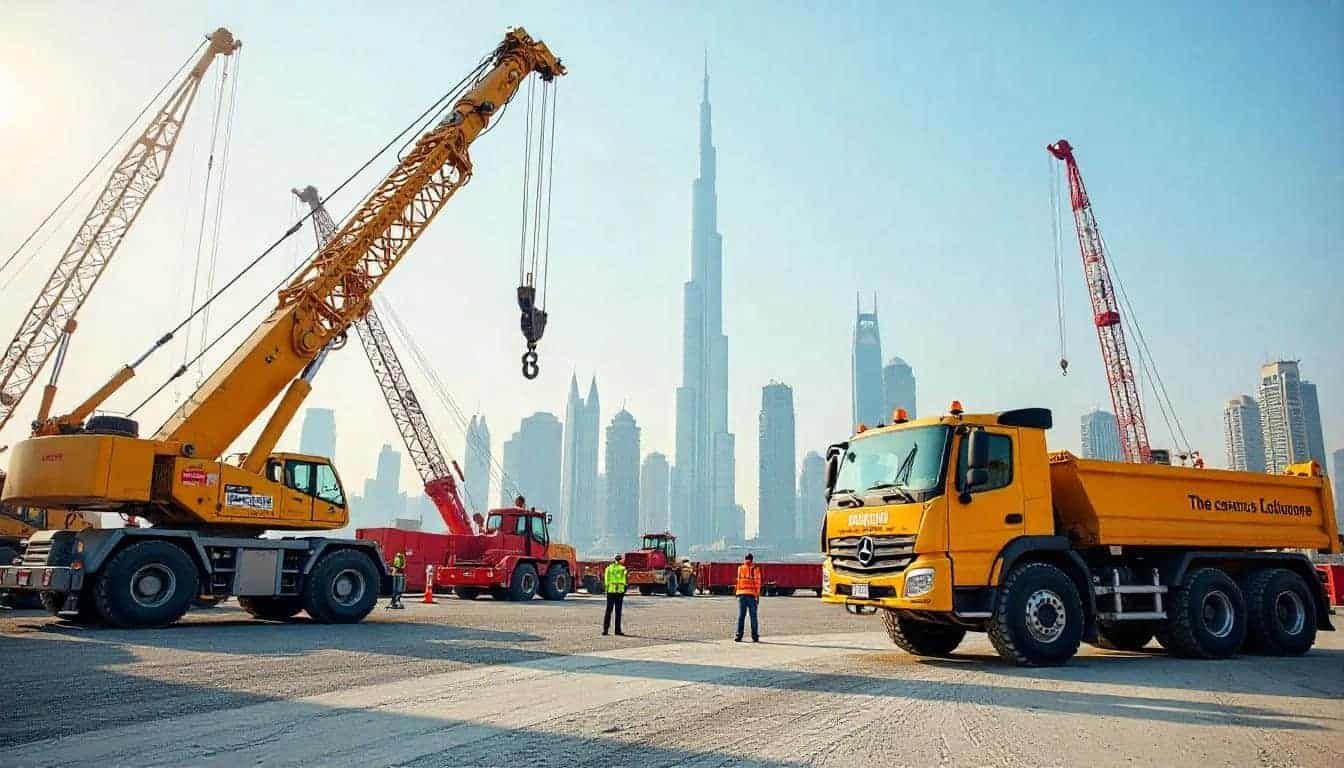
Modern crane rental fleets include mobile cranes, crawler cranes, all-terrain cranes, rough-terrain cranes, tower cranes, and specialized lifting equipment designed for projects of varying sizes. Many rental providers also incorporate digital fleet management, telematics, and advanced safety technologies to improve equipment performance and project coordination.
This guide explains crane rental, common crane types, oil and gas lifting applications, equipment selection, safety practices, and current industry trends in Dubai.
Note: Crane availability, lifting capacities, operator requirements, project specifications, rental terms, and regulatory requirements vary by provider and project. This article is intended for general educational purposes only.
What Is Crane Rental?
Crane rental allows organizations to use lifting equipment for a defined project duration rather than purchasing machinery outright. Rental options may range from short-term assignments to long-term infrastructure and industrial projects.
Crane rental is commonly used for:
Building construction
Industrial plant maintenance
Oil and gas projects
Infrastructure development
Bridge construction
Port and marine operations
Manufacturing facility installation
Renewable energy projects
Heavy equipment relocation
Large-scale maintenance shutdowns
The type of crane selected depends on the project's lifting requirements and site conditions.
Why Crane Rental Is Popular in Dubai
Dubai's rapidly growing industrial and construction sectors require lifting solutions that can adapt to changing project demands.
Crane rental offers several advantages, including:
Flexibility for short- and long-term projects
Access to a variety of crane types
Equipment suited to specialized lifting tasks
Scalability for changing project requirements
Support for complex industrial operations
Access to modern lifting technology
Improved resource planning
Reduced equipment ownership responsibilities in many rental arrangements
The specific benefits depend on the rental agreement and project scope.
Common Types of Cranes
Different projects require different crane configurations.
Mobile Cranes
Versatile cranes that can travel between job sites and are suitable for a wide variety of lifting operations.
All-Terrain Cranes
Designed to operate efficiently on both paved roads and challenging construction sites.
Rough-Terrain Cranes
Built for uneven ground commonly found on industrial and infrastructure projects.
Crawler Cranes
Provide excellent lifting capacity and stability for large-scale construction and heavy industrial applications.
Tower Cranes
Frequently used in high-rise construction where significant lifting height is required.
Truck-Mounted Cranes
Suitable for projects requiring mobility and rapid setup.
Crane Applications in the Oil & Gas Industry
The UAE's oil and gas sector depends on reliable lifting equipment for installation, maintenance, and shutdown activities.
Common applications include:
Refinery maintenance
Pipeline construction
Module installation
Storage tank construction
Equipment replacement
Offshore support logistics
Petrochemical plant expansion
Heavy mechanical installations
Every lifting operation should follow project-specific engineering plans and applicable safety requirements.
Choosing the Right Crane
Selecting an appropriate crane requires careful planning.
Important considerations include:
Load weight
Lift height
Working radius
Ground conditions
Site accessibility
Project duration
Weather conditions
Required attachments
Available operating space
Safety requirements
A detailed lift plan helps ensure the selected equipment matches project needs.
Crane Rental Process
Most crane rental projects follow a structured workflow.
Project Assessment
Evaluate lifting requirements, site conditions, and project timelines.
Equipment Selection
Choose a crane with suitable lifting capacity and operational capabilities.
Site Planning
Prepare the work area and establish safe lifting procedures.
Equipment Mobilization
Transport and position the crane according to the project plan.
Lifting Operations
Carry out lifting activities under approved operational procedures and applicable regulations.
Project Completion
Demobilize equipment and complete post-project inspections where required.
Crane Equipment Overview
| Crane Type | Typical Application |
|---|---|
| Mobile Crane | General construction and industrial lifting |
| All-Terrain Crane | Mixed road and job site operations |
| Rough-Terrain Crane | Uneven ground and infrastructure projects |
| Crawler Crane | Heavy lifting and large construction projects |
| Tower Crane | High-rise building construction |
| Truck-Mounted Crane | Mobile lifting and equipment installation |
Safety Best Practices
Safe crane operation is essential for protecting personnel and equipment.
General recommendations include:
Develop a lifting plan before operations begin.
Verify crane load capacity for every lift.
Inspect lifting accessories before use.
Ensure operators and signal personnel are appropriately qualified where required.
Monitor weather conditions during lifting activities.
Maintain exclusion zones around lifting areas.
Follow manufacturer operating guidelines.
Comply with applicable UAE workplace safety regulations.
Proper planning and communication contribute to safer lifting operations.
Maintenance Considerations
Routine maintenance supports safe and reliable crane performance.
Typical maintenance activities include:
Hydraulic system inspections
Wire rope examinations
Hook and lifting accessory checks
Brake inspections
Engine and power system servicing
Tire or track inspections
Structural component evaluations
Functional testing of safety devices
Scheduled maintenance helps minimize unexpected equipment downtime.
Current Industry Trends
The lifting industry continues to adopt advanced technologies.
Recent developments include:
Fleet telematics
Artificial intelligence-assisted maintenance planning
Digital lift planning software
Remote equipment monitoring
Hybrid and low-emission crane technologies
Predictive maintenance
Building Information Modeling (BIM) integration
Enhanced operator assistance systems
These innovations support improved operational efficiency, safety, and project management.
Looking Ahead
The future of Crane Rental in Dubai is expected to include greater automation, expanded use of connected fleet management systems, improved energy-efficient lifting equipment, and wider adoption of digital planning tools. Continued investment in infrastructure, industrial facilities, and energy projects is likely to support ongoing demand for flexible crane hire solutions across the UAE.
Why Understanding Crane Rental Matters
Understanding Crane Rental in Dubai helps project managers, contractors, and industrial operators evaluate lifting equipment based on project requirements, site conditions, and safety considerations. Careful planning, appropriate equipment selection, and adherence to established lifting procedures contribute to efficient project execution.
Conclusion
Crane Rental in Dubai provides flexible lifting solutions for construction, infrastructure, manufacturing, and oil and gas projects throughout the UAE. With access to a wide range of crane types, advanced safety features, and modern fleet technologies, rental equipment supports diverse lifting requirements across multiple industries. By understanding crane selection, project planning, maintenance practices, and workplace safety, organizations can make informed decisions that contribute to successful and efficient lifting operations.