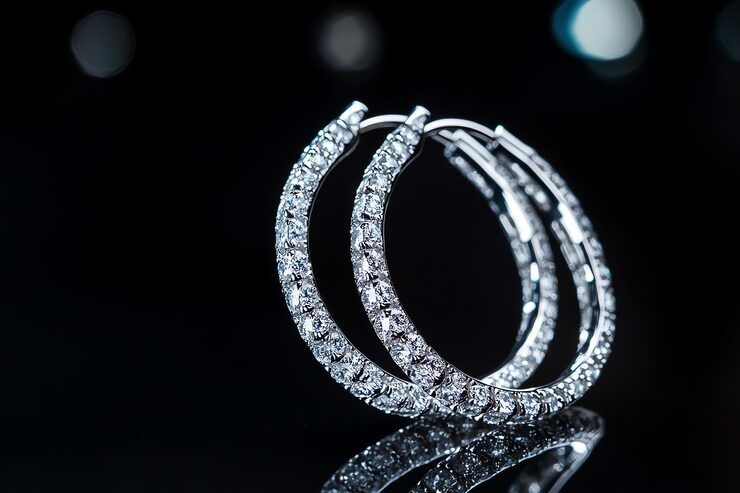
Diamond hoops are a type of jewelry that combines circular or semi-circular earring designs with diamonds set along the outer or inner edge. These earrings are commonly worn across different cultures and have evolved over time in both style and craftsmanship. The concept of hoop earrings dates back thousands of years, with early versions found in ancient civilizations such as Egypt, Mesopotamia, and Rome. Over time, the addition of gemstones, particularly diamonds, became associated with decorative and symbolic uses.
The inclusion of diamonds in hoop earrings reflects advancements in gem cutting and metalworking techniques. Diamonds themselves are valued for their hardness and ability to reflect light, making them suitable for jewelry that aims to enhance visual appeal. Diamond hoops can vary in size, thickness, and setting style, ranging from subtle designs with small stones to more noticeable pieces with larger or multiple rows of diamonds.
Today, diamond hoops are worn in both casual and formal settings. They are available in different materials such as gold, platinum, and silver, and can be found in a wide range of styles that suit different preferences. Their continued presence in jewelry collections highlights their adaptability and cultural relevance.
Importance
Diamond hoops hold significance for various reasons, including aesthetic, cultural, and practical aspects. For many individuals, they represent a balance between simplicity and elegance. Their circular shape symbolizes continuity and unity in some cultures, while the diamonds add a visual element that reflects light and draws attention.
These earrings are relevant in everyday life because they can be worn in different environments. For example, smaller diamond hoops may be suitable for daily wear, while larger or more intricate designs are often chosen for events or celebrations. This flexibility makes them a common accessory across age groups and personal styles.
From a practical perspective, diamond hoops are designed to be secure and comfortable. Many designs include clasp mechanisms that help keep the earrings in place. This reduces the risk of loss compared to other types of earrings. Additionally, the durability of diamonds makes them suitable for long-term use.
Diamond hoops also play a role in personal expression. People may choose specific designs based on their preferences for size, metal type, or diamond arrangement. Some prefer minimalist styles, while others select more detailed patterns. This variety allows individuals to align their choices with their personal identity and lifestyle.
Recent Updates
Between 2024 and 2026, several trends have influenced the design and perception of diamond hoops. One noticeable development is the growing interest in sustainable and lab-grown diamonds. These diamonds are created using controlled processes that replicate natural conditions, offering an alternative to traditionally mined stones. As awareness of environmental and ethical considerations increases, more consumers are exploring these options.
Another trend involves customization. Jewelry makers now provide more options for personalization, allowing individuals to select specific diamond sizes, shapes, and arrangements. This has led to a wider range of designs, including asymmetrical hoops, mixed-metal styles, and variations in diamond placement such as inside-out designs where diamonds are visible from multiple angles.
Technology has also influenced the industry. Computer-aided design (CAD) tools are now commonly used to create precise and detailed models of diamond hoops before production. This improves consistency and allows for more intricate patterns.
Social media and digital platforms have contributed to changing preferences as well. Exposure to different styles from around the world has increased demand for diverse designs. As a result, diamond hoops are now available in both traditional and contemporary forms, reflecting global influences.
Laws or Policies
The production and distribution of diamond hoops are influenced by various regulations related to gemstones and precious metals. In many countries, including India, there are standards that govern the authenticity and quality of diamonds and metals used in jewelry.
One important aspect is hallmarking. In India, the Bureau of Indian Standards (BIS) oversees the hallmarking of gold and other precious metals. This ensures that the metal used in diamond hoops meets specific purity standards. Hallmarked jewelry includes markings that indicate the metal’s composition and authenticity.
For diamonds, certification plays a key role. Organizations such as the Gemological Institute of America (GIA) and the International Gemological Institute (IGI) provide grading reports that evaluate diamonds based on characteristics such as cut, clarity, color, and carat weight. These certifications help provide transparency and consistency in the evaluation process.
Another policy-related aspect involves ethical sourcing. The Kimberley Process Certification Scheme is an international initiative aimed at preventing the trade of conflict diamonds. This framework requires participating countries to certify that diamonds are sourced responsibly.
Import and export regulations may also apply, depending on the country. These rules ensure that diamonds and jewelry are traded in compliance with international standards. Consumers and businesses often rely on these regulations to ensure that products meet legal and ethical requirements.
Tools and Resources
Several tools and resources can help individuals understand and evaluate diamond hoops more effectively. These resources provide information about diamond quality, design options, and maintenance practices.
Some commonly used tools and platforms include:
- Diamond grading charts: These charts explain the “Four Cs” (cut, color, clarity, and carat), helping individuals understand how diamonds are evaluated.
- Online visualization tools: Many jewelry platforms allow users to view different hoop designs and diamond arrangements in detail.
- Metal purity guides: These guides explain differences between materials such as 14K, 18K, and platinum, helping users understand durability and composition.
- Measurement tools: Simple tools like rulers or sizing charts can help determine the diameter of hoop earrings, which is important for comfort and appearance.
- Educational websites: Platforms such as GIA and IGI provide articles and resources about diamonds and jewelry care.
Below is a simple table that outlines common features of diamond hoops:
| Feature | Description |
|---|---|
| Hoop Size | Small, medium, large diameters |
| Diamond Placement | Outer edge, inner edge, inside-out |
| Metal Type | Gold, platinum, silver |
| Closure Mechanism | Hinged clasp, latch back, snap closure |
| Diamond Type | Natural or lab-grown |
These tools and resources can help individuals make informed decisions and better understand the characteristics of diamond hoops without requiring technical expertise.
FAQs
What are diamond hoops made of?
Diamond hoops are typically made of precious metals such as gold, platinum, or silver, with diamonds set along the hoop. The diamonds may be natural or lab-grown, depending on the design and production method.
Are diamond hoops suitable for everyday wear?
Many diamond hoops are designed for regular use, especially smaller and lightweight styles. Their secure clasps and durable materials make them practical for daily activities, although care is still recommended to maintain their condition.
How do I choose the right size for diamond hoops?
Choosing the right size depends on personal preference and comfort. Smaller hoops sit closer to the ear, while larger ones create a more noticeable appearance. Measuring the diameter and comparing it with existing earrings can help determine a suitable size.
What is the difference between natural and lab-grown diamonds in diamond hoops?
Natural diamonds are formed over long periods under the earth’s surface, while lab-grown diamonds are created in controlled environments. Both types share similar physical and chemical properties, but their origins differ.
How should diamond hoops be maintained?
Maintenance involves regular cleaning with mild solutions, proper storage to avoid scratches, and periodic inspection of clasps and settings. This helps ensure that the earrings remain secure and retain their appearance over time.
Conclusion
Diamond hoops are a versatile form of jewelry that combines traditional design with modern craftsmanship. Their circular shape and diamond settings make them suitable for a wide range of occasions and personal styles. Over time, developments in technology, sustainability, and customization have influenced their design and availability. Regulations and certification processes help ensure quality and ethical sourcing. Understanding their features and care requirements can provide a clearer perspective on their role in contemporary jewelry.