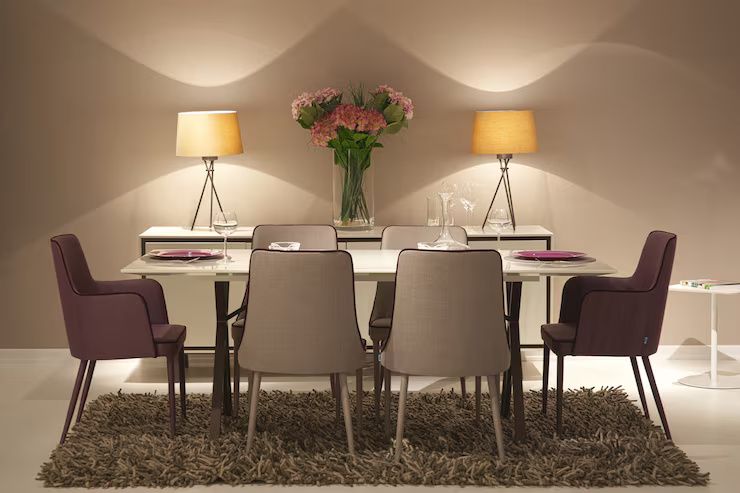
Dining room furniture refers to the collection of tables, chairs, storage units, and decorative elements placed in a dining space to support meals and social gatherings. This category of furniture has evolved over centuries, reflecting changes in culture, architecture, and daily habits. Traditionally, dining rooms were formal spaces used mainly for special occasions, but modern homes often integrate dining areas into open layouts shared with kitchens or living rooms.
The concept of dining room furniture exists to provide a functional and comfortable setting for eating, conversation, and shared experiences. Early examples included long wooden tables and benches, while later designs introduced upholstered chairs, extendable tables, and display cabinets. Today, dining room furniture combines practicality with design, accommodating both small apartments and larger homes.
Materials used in dining room furniture vary widely. Common options include solid wood, engineered wood, metal, glass, and plastic composites. Each material offers different characteristics in terms of durability, maintenance, and appearance. Styles also differ, ranging from traditional carved wood designs to minimalist modern forms with clean lines.
Importance
Dining room furniture plays a central role in everyday life. It supports activities such as meals, family discussions, celebrations, and even work or study in some households. A well-arranged dining area can improve comfort, organization, and interaction among household members.
For many people, the dining table is one of the most frequently used pieces of furniture. It serves multiple purposes beyond eating, including reading, working on laptops, or hosting guests. Chairs designed for dining also contribute to posture and comfort, especially during longer gatherings.
Dining room furniture addresses several practical challenges. These include space management, seating capacity, and storage needs. For example, extendable tables can adapt to different group sizes, while sideboards or cabinets provide storage for utensils, dishes, and linens.
The importance of dining room furniture can be seen in different contexts:
- In small homes, compact or foldable dining furniture helps maximize limited space.
- In larger households, bigger tables and additional seating support group meals and events.
- In multi-use spaces, flexible furniture allows a dining area to function as a workspace or study area.
The design and arrangement of dining room furniture can also influence how people interact. A comfortable and accessible setup encourages communication and shared time, which is important for social well-being.
Recent Updates
From 2024 to 2026, dining room furniture has continued to evolve in response to changing lifestyles and environmental awareness. Several notable trends have emerged during this period.
One trend is the increased focus on multifunctional furniture. Many households now use dining spaces for activities beyond meals, such as remote work or learning. As a result, tables with adjustable heights or built-in storage have become more common.
Another development is the growing use of sustainable materials. Manufacturers and designers are exploring options such as reclaimed wood, bamboo, and recycled metals. These materials are chosen to reduce environmental impact while maintaining durability.
Design preferences have also shifted toward simplicity and adaptability. Minimalist styles with neutral colors and clean lines are widely seen. At the same time, modular dining furniture allows users to rearrange components based on their needs.
Technology integration is another emerging trend. Some dining tables now include features such as built-in charging ports or lighting elements. While these features are not present in all designs, they reflect the blending of furniture with modern technology.
The following table highlights key trends and their characteristics:
| Trend | Description | Common Features |
|---|---|---|
| Multifunctional Design | Furniture used for multiple purposes | Extendable tables, storage compartments |
| Sustainable Materials | Use of eco-friendly resources | Reclaimed wood, bamboo, recycled metals |
| Minimalist Style | Simple and clean visual appearance | Neutral colors, smooth surfaces |
| Modular Furniture | Adjustable and reconfigurable components | Stackable chairs, movable sections |
| Technology Integration | Inclusion of modern features in furniture | Charging ports, embedded lighting |
These trends reflect broader changes in how people use their living spaces and interact with their furniture.
Laws or Policies
Dining room furniture is influenced by various regulations related to safety, materials, and environmental standards. These rules vary by country but generally aim to protect consumers and ensure product quality.
In India, furniture manufacturing and distribution are guided by standards from organizations such as the Bureau of Indian Standards (BIS). These standards address aspects like material quality, structural safety, and durability. While not all furniture categories are strictly regulated, compliance with these standards helps ensure reliability.
Environmental policies also play a role. Regulations related to forestry and material sourcing encourage the use of responsibly sourced wood. Certifications such as Forest Stewardship Council (FSC) labeling indicate that wood materials come from managed forests.
Additionally, chemical safety regulations restrict the use of harmful substances in furniture finishes, adhesives, and coatings. These rules aim to reduce indoor air pollution and protect users from exposure to toxic materials.
Import and export policies can also affect the availability of certain types of dining room furniture. Customs regulations, quality checks, and labeling requirements influence how furniture products enter and leave markets.
Overall, these laws and policies help maintain safety, promote sustainability, and ensure that dining room furniture meets basic quality expectations.
Tools and Resources
Several tools and resources can help individuals understand, plan, and organize dining room furniture effectively. These tools are often used during the design and layout process.
Digital room planners are widely used to visualize furniture placement. Platforms such as IKEA Room Planner and Planner 5D allow users to create layouts and experiment with different furniture arrangements.
Measurement tools are also important. Mobile apps and simple measuring devices help determine the available space and ensure that furniture fits properly within a room.
Online catalogs and design platforms provide inspiration and information about different styles and materials. Websites like Houzz showcase a wide range of dining room setups, helping users understand current trends and layout ideas.
Material guides and maintenance resources are useful for understanding how to care for dining room furniture. These guides explain how to clean different surfaces, protect finishes, and extend the lifespan of furniture pieces.
Templates and checklists can also assist in planning. For example, a simple checklist might include:
- Measuring the room dimensions
- Determining seating capacity
- Considering storage needs
- Choosing materials and styles
- Planning lighting and spacing
These tools and resources make it easier to approach dining room furniture selection and arrangement in an organized and informed way.
FAQs
What is included in dining room furniture?
Dining room furniture typically includes a table, chairs, and sometimes storage units such as cabinets or sideboards. Additional items may include benches, bar stools, or display shelves, depending on the space and design.
How do I choose the right dining room furniture for a small space?
For smaller spaces, compact tables, foldable designs, and stackable chairs can help save space. Measuring the area and considering multifunctional furniture can also improve usability.
What materials are commonly used in dining room furniture?
Common materials include solid wood, engineered wood, metal, glass, and plastic composites. Each material has different characteristics related to durability, maintenance, and appearance.
How many chairs should a dining table have?
The number of chairs depends on the table size and shape. A standard rectangular table usually accommodates four to six chairs, while larger tables can seat more people.
How can dining room furniture be maintained?
Maintenance depends on the material. Wood surfaces may require polishing, glass surfaces need regular cleaning, and upholstered chairs may require fabric care. Keeping furniture away from moisture and direct sunlight can also help preserve its condition.
Conclusion
Dining room furniture is an essential part of modern living spaces, supporting daily activities and social interactions. Its design has evolved to meet changing needs, including multifunctional use and space efficiency. Recent trends highlight sustainability, simplicity, and adaptability, reflecting broader lifestyle changes. Regulations and standards help ensure safety and quality, while various tools assist in planning and arrangement. Understanding these aspects can provide a clearer view of how dining room furniture fits into everyday life.