Discover Logistics: A Complete Guide to Transportation and Distribution
Logistics is an important part of modern supply chains that helps products move from one place to another efficiently.
It includes transportation, storage, inventory management, packaging, and distribution. Every day, logistics supports the movement of raw materials and finished goods across cities, countries, and international markets.
Understanding logistics helps individuals and organizations learn how transportation and distribution work together to meet demand. As technology continues to improve, logistics has become more accurate, data-driven, and environmentally conscious. This guide explains the basics, importance, recent developments, regulations, and useful resources related to logistics.
Context – What Is Logistics?
Logistics refers to the planning, coordination, and movement of goods, materials, and information throughout the supply chain. It ensures that products reach the correct destination at the appropriate time while maintaining quality and efficiency.
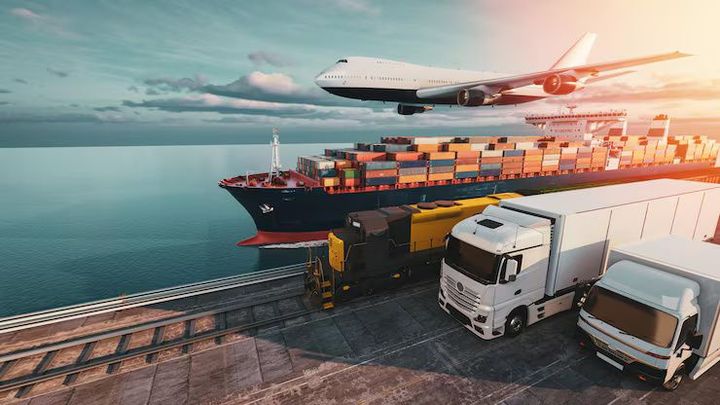
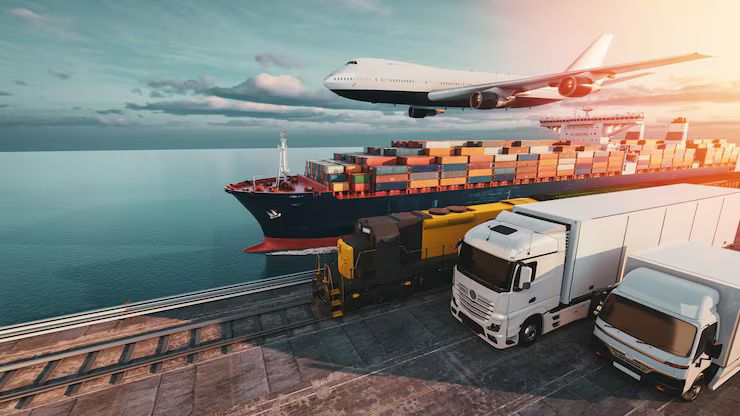
Transportation and distribution are two major parts of logistics. Transportation focuses on moving goods by road, rail, air, or sea, while distribution manages the delivery process from warehouses or distribution centers to the final destination.
The primary purpose of logistics is to improve the flow of goods while reducing delays, unnecessary movement, and resource waste.
Main Components of Logistics
- Transportation management
- Warehouse operations
- Inventory management
- Order processing
- Packaging and handling
- Distribution planning
- Supply chain coordination
The logistics industry has evolved significantly over the past few decades. Digital technologies, automation, and real-time tracking have improved visibility and planning across transportation networks.
Logistics Activities and Their Purpose
| Logistics Activity | Purpose |
|---|---|
| Transportation | Moves goods between locations |
| Warehousing | Stores products safely before distribution |
| Inventory Management | Maintains appropriate stock levels |
| Distribution | Delivers products to destinations |
| Packaging | Protects products during transportation |
| Tracking | Monitors shipments in real time |
Importance – Why Logistics Matters and Who It Affects
Logistics plays an essential role in nearly every industry. Manufacturing, healthcare, agriculture, retail, construction, and e-commerce all depend on efficient transportation and distribution systems.
Well-organized logistics helps maintain product availability while supporting reliable supply chain operations. Efficient planning also reduces unnecessary delays and improves coordination among suppliers, warehouses, transportation providers, and customers.
Groups affected by logistics include:
- Manufacturers
- Distributors
- Retail businesses
- Farmers
- Healthcare organizations
- Government agencies
- Educational institutions
- Consumers
Good logistics management contributes to:
- Better inventory planning
- Improved transportation efficiency
- Reduced delivery delays
- Better warehouse utilization
- Enhanced shipment visibility
- More effective supply chain coordination
As international trade continues to expand, logistics has become increasingly important for connecting regional and global markets.
Recent Updates – Trends and Developments From 2024–2026
The logistics industry continues to experience rapid technological development. Organizations are adopting digital platforms to improve planning, monitoring, and transportation management.
One significant trend is the increased use of artificial intelligence for demand forecasting, route optimization, and warehouse planning. These technologies help improve operational efficiency by analyzing large amounts of logistics data.
Internet of Things (IoT) devices have also become more common. Sensors installed in vehicles and containers provide real-time information about shipment location, temperature, and movement.
Automation is expanding across warehouses through robotic systems that assist with sorting, picking, and inventory management.
Additional developments include:
- Increased adoption of cloud-based logistics software
- Greater use of digital documentation
- Growth of electric delivery vehicles
- Improved shipment tracking technologies
- Expansion of smart warehouse systems
- Better cybersecurity practices for supply chain platforms
Environmental sustainability remains an important focus. Many transportation networks are working to reduce emissions through fuel-efficient vehicles, optimized delivery routes, and alternative energy solutions.
Laws or Policies – Relevant Rules, Regulations, or Government Policies
Logistics operations are influenced by national and international regulations that support transportation safety, trade compliance, and environmental protection.
Common regulatory areas include:
- Road transportation regulations
- Customs procedures for international shipments
- Vehicle safety standards
- Packaging and labeling requirements
- Environmental regulations
- Hazardous material transportation rules
- Import and export documentation requirements
Different countries maintain their own transportation laws, while international trade often follows globally recognized agreements and customs procedures.
Organizations involved in logistics should remain informed about changes to transportation regulations, tax requirements, customs documentation, and environmental policies issued by relevant government authorities.
Compliance helps improve operational consistency while supporting safe transportation and lawful distribution practices.
Tools and Resources – Useful Websites, Calculators, Templates, or Platforms
Several digital tools help individuals and organizations understand transportation and distribution processes more effectively.
Useful resources include:
- Route planning applications
- Freight tracking platforms
- Supply chain management software
- Warehouse management systems
- Transportation management systems
- Inventory tracking applications
- Customs documentation templates
- Carbon emission calculators
- Shipping volume calculators
Helpful planning documents include:
- Inventory tracking spreadsheets
- Shipment checklists
- Delivery schedules
- Warehouse inspection forms
- Transportation planning templates
Learning resources such as government transportation departments, customs authorities, logistics associations, and educational institutions also provide reliable information about logistics practices and regulatory updates.
FAQs
What is logistics in simple terms?
Logistics is the process of planning, managing, transporting, storing, and distributing goods from one location to another efficiently.
What is the difference between transportation and distribution?
Transportation focuses on moving goods between locations, while distribution manages the overall delivery process from warehouses to the final destination.
Why is logistics important for businesses?
Logistics helps improve inventory management, transportation efficiency, delivery planning, and supply chain coordination, supporting smoother operations.
What technologies are commonly used in modern logistics?
Common technologies include artificial intelligence, GPS tracking, cloud platforms, warehouse automation, Internet of Things devices, barcode systems, and transportation management software.
How do government regulations affect logistics?
Government regulations establish transportation safety standards, customs procedures, environmental requirements, and documentation rules that logistics operations must follow.
Conclusion
Logistics is the foundation of efficient transportation and distribution across local, national, and international supply chains. It connects manufacturers, warehouses, transportation networks, and end users through organized planning and coordination.
As technology continues to evolve between 2024 and 2026, logistics is becoming more data-driven, automated, and environmentally conscious. Understanding its principles helps individuals and organizations appreciate how products move through complex supply chains.
Staying informed about regulations, emerging technologies, and planning tools supports better decision-making and encourages more efficient logistics operations across different industries.