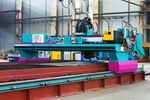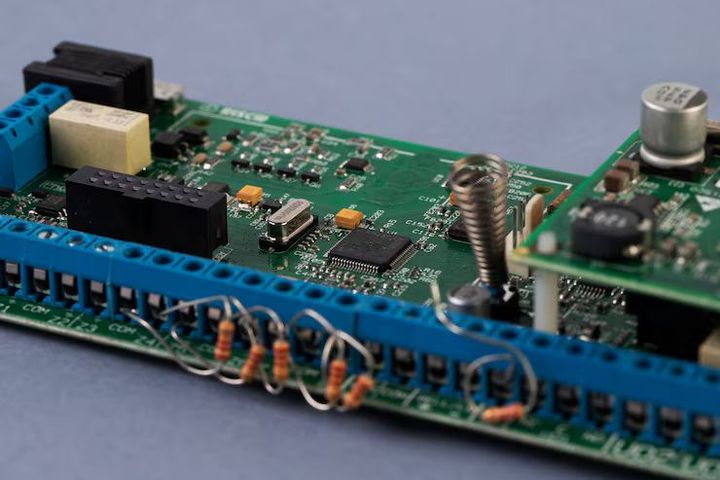
Discover PCB Routing Machines: An Introduction to Modern PCB Fabrication Systems
Printed circuit boards, often called PCBs, are the flat boards that hold and connect many of the parts inside electronic products. They appear in items such as phones, home appliances, control panels, medical devices, and communication tools.
To make these boards in a controlled way, factories use PCB fabrication equipment and related machines for cutting, shaping, drilling, and separating panels.
PCB routing machine manufacturers create equipment that helps divide large PCB panels into individual boards after earlier production steps are complete. This work is part of a wider manufacturing process that can include automatic PCB routing machines, industrial PCB depaneling equipment, CNC PCB routing systems, and laser PCB depaneling machines. Together, these tools form an important part of modern PCB fabrication systems.
How PCB routing fits into fabrication
A PCB is usually made in a panel with several board shapes placed on one sheet. This makes production more organized and helps factories handle many boards at once. After assembly, the panel must be separated into smaller finished boards with care so that the edges stay clean and the circuit paths remain intact.
Routing machines remove material along a programmed line. In simple terms, they help turn one large panel into many smaller boards with a controlled cutting process. This is why PCB cutting machine suppliers and machinery makers focus on accuracy, repeatability, and safe operation.
Why these machines exist
PCB products continue to become smaller and more complex. As boards shrink and component spacing becomes tighter, manual separation methods are less suitable for many production settings. Machines that follow programmed paths help reduce variation and support more consistent results across large batches.
This is one reason turnkey PCB manufacturing solutions often include routing equipment as part of the larger production line. The routing stage is not the only step in PCB making, but it is an important one for finishing the board in usable form.
Importance
Why the topic matters today
PCB routing is relevant because electronic products are part of daily life. Even when people do not see the board inside a device, the board helps power, connect, and control the product. If the board is damaged during separation, the final device may not function as intended.
This topic affects manufacturers, design teams, quality teams, and workers who handle electronics assembly. It also affects consumers indirectly, since board quality can influence product reliability and consistency.
Problems these systems help address
PCB routing machines are used to solve several practical production problems:
- boards breaking at the edge
- stress on nearby components
- uneven panel separation
- repeatability issues in large batches
- slow manual handling
- difficulty keeping the same cut path across many units
Automatic PCB routing machines and CNC PCB routing systems help address these concerns by following software-defined instructions. That makes the separation step more controlled than hand tools or less precise cutting methods.
Why non-technical readers should care
Many people interact with products that contain PCBs every day, from kitchen devices to digital screens. The quality of the board affects how well those products fit together and operate over time. A clean PCB edge can matter for product assembly, enclosure fit, and electrical stability.
Industrial PCB depaneling equipment also supports factory efficiency. When boards can be separated in a steady and organized way, later steps such as testing, packing, and assembly can continue without unnecessary delay.
Recent Updates
Greater use of automation
From 2024 onward, many factories have continued moving toward higher automation in electronics production. This includes more use of automatic PCB routing machines that can work with less manual handling. The general direction has been toward more stable output, less rework, and better production tracking.
Automation is also being linked with software systems that monitor machine status and production flow. In practice, this means routing equipment is more often connected to digital planning tools rather than standing alone on the factory floor.
Industry 4.0 PCB production technologies
Industry 4.0 PCB production technologies have become a major theme in electronics manufacturing. These systems focus on connected machines, data collection, and digital control. In a PCB environment, that may include routing machines that communicate with inspection tools, layout files, and factory monitoring software.
Common trends include:
- machine data tracking
- digital work instructions
- production trace records
- condition monitoring
- software-based process adjustment
- better coordination between fabrication stages
These changes do not remove the basic purpose of routing equipment, but they change how it fits into the wider production system.
More interest in non-contact cutting
Laser PCB depaneling machines have drawn more attention in some production settings because they use a non-contact method. This can matter for boards that are delicate or have parts placed close to the separation line. Because the process does not rely on a rotating cutting bit, it may reduce mechanical stress in certain cases.
At the same time, mechanical CNC PCB routing systems remain widely used because they are familiar, flexible, and suitable for many panel designs. The general trend is not a single replacement method, but a wider choice of tools for different board types.
Better software integration
PCB fabrication equipment is now more often managed through software that links design data with production settings. This helps reduce manual entry and keeps machine instructions closer to the original board design files. As a result, routing paths can be prepared more consistently before production begins.
Turnkey PCB manufacturing solutions often reflect this trend by combining design, fabrication, routing, inspection, and tracking into one connected workflow. The goal is better coordination, not greater complexity for its own sake.
| Current development | What it means in practice |
|---|---|
| Automation | Less manual handling during board separation |
| Digital tracking | More visibility into machine and production status |
| Laser cutting | A non-contact option for certain board types |
| Software integration | Routing data connects more closely with design files |
| Flexible production | Easier adjustment when PCB designs change |
Laws or Policies
Safety rules in manufacturing
PCB routing equipment is affected by workplace safety rules in many countries. Factories usually need machine guards, emergency stop controls, training procedures, and electrical safety checks. These requirements help reduce risk for workers who operate or maintain the equipment.
The exact rules depend on the country, but the core idea is similar: machines should be used in a controlled environment with documented procedures.
Environmental and materials rules
PCB production is also shaped by environmental policies. Electronics manufacturing can involve metals, dust, plastic material, and chemical residues from earlier production stages. Many countries regulate how these materials are handled, stored, and disposed of.
Common policy areas include:
- waste handling
- air and dust control
- chemical storage
- recycling rules
- restrictions on hazardous substances
These policies affect the entire PCB fabrication process, not only the routing stage.
Product compliance expectations
In many regions, PCB makers must also follow standards tied to product quality and electronic compliance. These standards may cover board dimensions, trace integrity, documentation, and inspection records. While routing machines are only one part of this system, they can influence whether the board meets the required physical shape and edge quality.
Factory documentation and traceability
Some electronics programs require traceability records for manufacturing steps. That means the factory may record which routing program was used, which machine handled the work, and whether inspection checks were completed. This practice supports quality control and makes it easier to review production data later.
Tools and Resources
Design and layout software
PCB routing begins with design data. Software used for electronic board layout helps create the files needed for manufacturing and separation. These tools usually generate board outlines, drilling paths, and other data used by CNC PCB routing systems.
Production file formats
Several file types are commonly used in PCB manufacturing. These include the board outline, drilling instructions, and assembly-related files. When connected correctly, they help PCB routing machine manufacturers and factory teams align machine movement with the original board design.
Inspection tools
Inspection tools are often used alongside PCB cutting machine suppliers’ equipment and fabrication lines. These may include optical inspection systems, measurement tools, and visual quality checks. Their role is to confirm that board size, edge shape, and alignment remain within the expected range.
Learning resources
People who want to understand PCB fabrication equipment can look at technical materials from electronics standards groups, engineering textbooks, electronics manufacturing associations, and university-based electronics courses. These resources explain board structure, fabrication stages, routing methods, and quality control in clear technical language.
FAQs
What do PCB routing machine manufacturers make?
PCB routing machine manufacturers make equipment that separates PCB panels into individual boards after fabrication and assembly steps. Their machines may use mechanical routing, CNC control, or laser-based separation depending on the production need.
How do automatic PCB routing machines work?
Automatic PCB routing machines follow programmed cutting paths to separate boards with reduced manual handling. They are used in production environments where repeatability, speed, and consistent board edges matter.
What is the difference between CNC PCB routing systems and laser PCB depaneling machines?
CNC PCB routing systems use a moving cutting tool to remove material along a set path. Laser PCB depaneling machines use focused laser energy and do not rely on direct physical contact, which can suit some delicate board designs.
Why are industrial PCB depaneling equipment and PCB fabrication equipment often used together?
Industrial PCB depaneling equipment is part of the wider PCB fabrication flow. It works with other fabrication equipment so that boards can be made, inspected, separated, and prepared in an organized sequence.
What are turnkey PCB manufacturing solutions?
Turnkey PCB manufacturing solutions are integrated production setups that combine several steps of PCB making into one connected process. They may include design preparation, fabrication, routing, inspection, and tracking systems.
Conclusion
PCB routing machines are an important part of modern PCB fabrication systems because they help separate finished boards in a controlled way. They are used in many kinds of electronics production, from small devices to larger industrial products. As automation and data tools continue to shape manufacturing, routing equipment is becoming more connected to the wider factory process. The topic sits at the point where board design, machine control, and production quality meet.