Discover the Facts About Industrial Storage Tanks: Knowledge and Resources
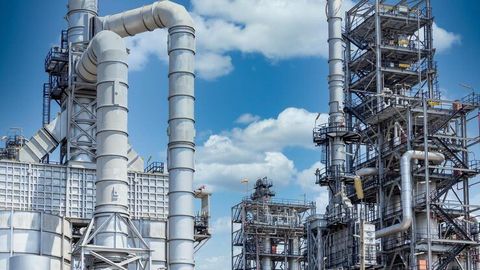
Industrial storage tanks are large containers used to store liquids, gases, or granular materials in many industries. These tanks are commonly found in sectors such as water treatment, agriculture, manufacturing, and energy production. The concept of industrial storage tanks has evolved over time as industries needed safe and reliable ways to handle large volumes of materials.
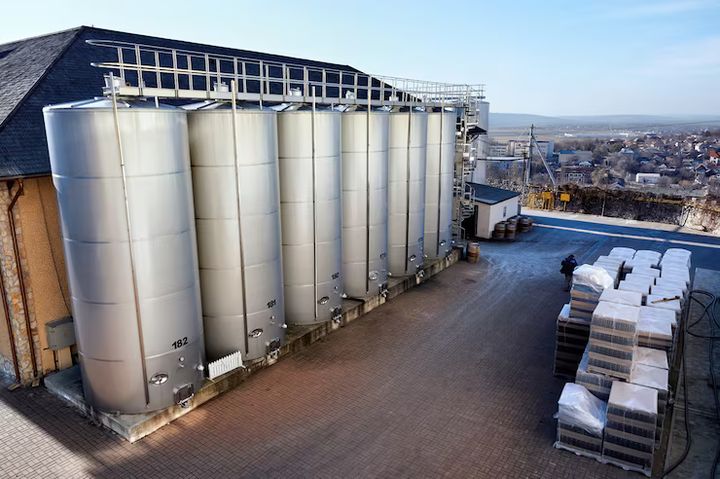
The design and use of industrial storage tanks depend on the type of material being stored. For example, water tanks are built differently from tanks used for chemicals or fuels. Materials such as steel, concrete, and specialized plastics are often used because they can withstand pressure, temperature changes, and chemical reactions.
Industrial storage tanks exist to help manage resources efficiently. They allow industries to store raw materials, process intermediate products, or hold finished goods before distribution. Without such systems, handling large-scale operations would be difficult and less organized.
Importance
Industrial storage tanks play a significant role in everyday life, even if they are not always visible. They support essential services such as clean water supply, fuel distribution, and food processing. Many public utilities rely on these tanks to maintain steady operations.
Several key challenges are addressed through the use of industrial storage tanks. These include safe containment of hazardous substances, prevention of leaks, and efficient inventory management. For example, proper storage helps reduce environmental risks associated with spills or contamination.
The importance of industrial storage tanks can be understood through their practical applications:
- Water management: Tanks store treated water for urban and rural use.
- Energy sector: Fuel storage tanks ensure a continuous supply for transportation and power generation.
- Agriculture: Tanks are used for storing fertilizers, pesticides, and irrigation water.
- Manufacturing: They help maintain a steady flow of raw materials and processed goods.
In addition, these tanks contribute to safety by containing materials in controlled environments. This reduces exposure risks for workers and nearby communities.
Recent Updates
In recent years, industrial storage tanks have seen several improvements in design, monitoring, and environmental performance. One noticeable trend is the use of smart monitoring systems. Sensors are now installed to track parameters such as temperature, pressure, and liquid levels in real time.
Another development is the growing use of corrosion-resistant materials. Advanced coatings and composite materials are helping extend the lifespan of tanks while reducing maintenance requirements. This is particularly important in industries dealing with aggressive chemicals.
Environmental considerations have also influenced tank design. Double-walled tanks and leak detection systems are becoming more common to reduce the risk of soil and groundwater contamination. Additionally, industries are adopting practices that support safer storage and handling of materials.
Automation is another trend shaping the use of industrial storage tanks. Digital control systems allow operators to monitor multiple tanks remotely, improving efficiency and reducing manual intervention.
Laws or Policies
The use of industrial storage tanks is governed by various laws and regulations to ensure safety and environmental protection. These rules vary by country but generally focus on construction standards, maintenance practices, and inspection requirements.
In many regions, environmental agencies set guidelines for storing hazardous substances. These regulations often require:
- Proper labeling of tank contents
- Secondary containment systems to prevent leaks
- Regular inspection and maintenance schedules
- Documentation of storage and handling procedures
Workplace safety regulations also play a role. They ensure that workers operating or maintaining industrial storage tanks follow safe practices. This includes training, use of protective equipment, and emergency response planning.
Below is a simplified table showing common regulatory focus areas:
| Regulatory Area | Purpose | Example Requirement |
|---|---|---|
| Structural Standards | Ensure tank stability and durability | Approved construction materials |
| Environmental Safety | Prevent contamination | Leak detection systems |
| Operational Safety | Protect workers and surroundings | Safety training and procedures |
| Inspection Protocols | Maintain long-term reliability | Periodic inspections and records |
These policies help reduce risks and promote responsible use of industrial storage tanks.
Tools and Resources
Various tools and resources are available to support the design, maintenance, and monitoring of industrial storage tanks. These tools help improve accuracy, safety, and efficiency.
Some commonly used resources include:
- Capacity calculators: These tools estimate the volume a tank can hold based on its dimensions.
- Material compatibility charts: They help determine which materials are suitable for storing specific substances.
- Inspection checklists: Standardized templates assist in routine maintenance and safety reviews.
- Monitoring systems: Digital platforms track tank conditions such as pressure and liquid levels.
- Engineering guidelines: Published documents provide detailed recommendations for tank design and operation.
Educational websites and technical manuals also provide useful information about industrial storage tanks. These resources are often used by students, engineers, and facility managers to understand how tanks function and how they should be maintained.
Using the right tools can support better planning and reduce the likelihood of operational issues.
FAQs
What are industrial storage tanks used for?
Industrial storage tanks are used to store liquids, gases, or bulk materials in industries such as water treatment, agriculture, and manufacturing. They help manage resources safely and efficiently.
What materials are used to make industrial storage tanks?
Common materials include steel, concrete, and plastic. The choice depends on the type of substance being stored and the environmental conditions.
How are industrial storage tanks monitored?
Modern industrial storage tanks often use sensors and digital systems to monitor temperature, pressure, and liquid levels. This allows for real-time tracking and improved safety.
Are there safety regulations for industrial storage tanks?
Yes, industrial storage tanks are subject to regulations that focus on structural integrity, environmental protection, and worker safety. These rules vary by region but generally require inspections and proper handling procedures.
How do industrial storage tanks prevent leaks?
Leak prevention methods include double-walled designs, protective coatings, and regular inspections. Monitoring systems can also detect early signs of leakage.
Conclusion
Industrial storage tanks are essential components in many sectors, supporting the safe and efficient storage of materials. Their design and use have evolved to meet modern safety and environmental standards. Advances in technology have improved monitoring and durability, making them more reliable over time. Regulations and tools further support their responsible use, helping industries operate with greater awareness and control.