Door Lock Automation: Complete Overview of Modern Smart Security Solutions
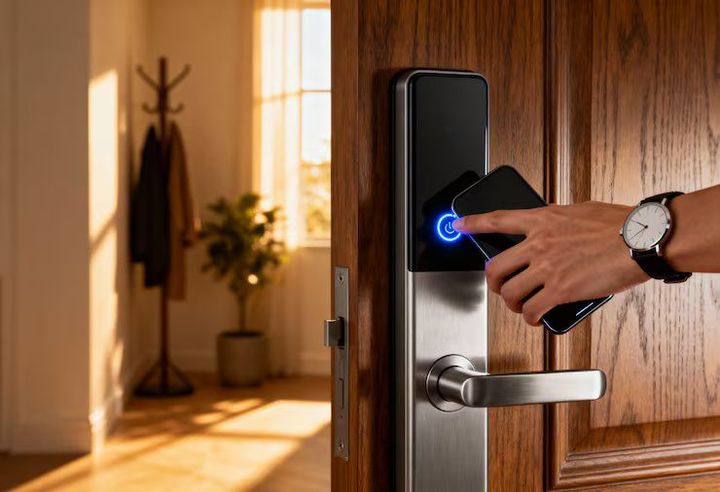
Door lock automation refers to the integration of electronic, digital, or smart technologies into traditional locking mechanisms. Unlike conventional locks, automated systems can be controlled remotely via smartphones, keypads, biometric devices, or voice assistants. These systems are designed to enhance convenience, security, and accessibility for both residential and commercial spaces.
Automated locks range from simple keyless entry systems to advanced solutions integrated with smart home networks. These systems eliminate the need for traditional keys by using digital authentication methods such as PIN codes, biometrics, or mobile apps.
The rise of Internet of Things (IoT) technology has accelerated innovation, allowing users to monitor and control locks remotely from anywhere in the world.
Why Door Lock Automation Matters Today
The demand for automated locks is increasing due to growing concerns about safety and property protection. Traditional keys can be lost, duplicated, or stolen, creating security risks.
Automated locks address these challenges by offering improved control, monitoring, and convenience.
Key Benefits of Automated Locks
-
Remote Access Control
Lock or unlock doors from anywhere using a smartphone or web application. -
Enhanced Security
Biometric systems such as fingerprint or facial recognition reduce unauthorized access. -
Activity Monitoring
Receive real-time alerts when doors are accessed to improve awareness. -
Smart Home Integration
Connect locks with lighting, alarms, and cameras for complete security systems.
These features make automated locks especially useful for families, professionals, and commercial environments where multiple users require controlled access.
Practical Impact Across Use Cases
- Homes benefit from remote monitoring and convenience
- Offices improve access control for employees
- Rental properties enable temporary digital access
- Commercial spaces enhance security and tracking
Automated locks also contribute to operational efficiency and convenience in modern environments.
Recent Updates and Trends in Door Lock Automation
The door lock automation industry has evolved rapidly with technological advancements in recent years.
Key Trends (2025–2026)
-
AI-Powered Security
Smart locks now use AI to detect unusual access patterns and potential threats. -
Improved Biometric Systems
Faster and more accurate fingerprint and facial recognition technologies. -
Voice Assistant Integration
Compatibility with platforms like Amazon Alexa, Google Assistant, and Apple HomeKit. -
Cloud-Based Monitoring
Real-time access logs and notifications available from anywhere. -
Energy-Efficient Designs
Longer battery life and solar-powered lock options.
These innovations reflect a shift toward smarter, more connected, and energy-efficient security systems.
Adoption Growth Overview
| Year | Trend in Smart Lock Adoption |
|---|---|
| 2023 | Moderate growth |
| 2024 | Increased demand |
| 2025 | Rapid adoption (AI features) |
| 2026 | Continued expansion |
The growth is driven by demand for contactless security and remote home management.
Laws, Policies, and Regulations Affecting Door Lock Automation
Automated locks operate within regulatory frameworks designed to ensure safety, privacy, and reliability.
Key Regulatory Areas
-
Data Privacy Laws
Smart locks collect user data, requiring compliance with regulations such as GDPR and other privacy laws. -
Electrical Safety Standards
Devices must meet safety codes to prevent hazards or malfunctions. -
Building and Fire Codes
Locks must allow emergency exit access, especially in commercial buildings. -
Certification Programs
Standards like UL 294 validate security performance and reliability.
Understanding these regulations is essential for property owners and businesses to avoid legal risks and ensure safe implementation.
Tools and Resources for Door Lock Automation
Various tools help users select, install, and manage automated lock systems effectively.
Common Tools and Their Functions
| Tool Type | Examples | Functionality |
|---|---|---|
| Mobile Apps | August, Yale, Schlage | Remote control, alerts, activity logs |
| Access Management Software | Kisi, Brivo | Multi-user control, scheduling, reporting |
| Comparison Tools | SmartLockCompare, IoT Hub | Feature and battery life comparison |
| Installation Resources | Tutorials, manuals | Setup guidance and troubleshooting |
| Analytics & Monitoring | Cloud dashboards | Security insights and activity tracking |
Additional Useful Resources
- Manufacturer installation guides
- Online comparison platforms
- Security analytics dashboards
- IoT integration documentation
These resources support both beginners and advanced users in managing automated lock systems.
Frequently Asked Questions About Door Lock Automation
What types of automated locks are available?
Automated locks include keyless entry systems, smart locks with mobile control, biometric locks, and keypad-based electronic locks. Some models integrate with home automation systems.
Are automated locks more secure than traditional locks?
Yes, when properly configured. Features like encryption, biometrics, and activity logs reduce risks associated with lost or stolen keys.
Do automated locks work during power outages?
Most locks operate on batteries and continue working during outages. Many also include backup keys or emergency power options.
Can multiple users access the same lock?
Yes, multiple user profiles can be created with customizable access permissions and schedules.
How should automated locks be maintained?
- Monitor battery levels regularly
- Clean mechanical components
- Update firmware
- Review access logs
These steps ensure consistent performance and security.
Conclusion
Door lock automation represents a significant advancement in modern security systems. By replacing traditional keys with digital access methods, these systems improve both safety and convenience.
Technological advancements such as AI-based monitoring, biometric authentication, and cloud integration continue to drive adoption. At the same time, regulatory frameworks ensure that these systems remain secure and compliant.
Understanding the features, trends, and tools associated with automated locks helps individuals and organizations make informed decisions. As smart home and IoT ecosystems continue to expand, automated locks will remain a key component of modern security infrastructure.