Electric Power Monitoring Equipment Guide for Energy Efficiency and Data Insights
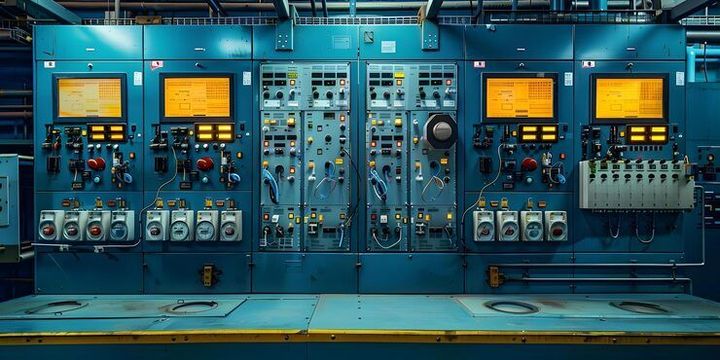
Electric power monitoring equipment refers to devices and systems designed to measure, record, and analyze electrical parameters such as voltage, current, power, frequency, and energy consumption. These tools are widely used in industrial plants, commercial buildings, and utility networks to track how electricity is used and ensure systems operate efficiently.
The need for electric power monitoring equipment arises from the increasing complexity of electrical systems and the growing demand for reliable and efficient energy use.
As industries expand and digital infrastructure grows, monitoring power usage becomes essential for maintaining stability, preventing failures, and improving operational performance. These systems typically include energy meters, power analyzers, sensors, and software platforms that provide real-time data. Modern monitoring equipment often integrates with cloud-based systems, enabling remote access and data visualization.
Why Electric Power Monitoring Equipment Matters Today
Electric power monitoring equipment plays a critical role in modern energy management. It helps organizations understand electricity consumption, identify inefficiencies, and improve overall system performance.
Key Benefits
- Energy Efficiency: Identifies unnecessary consumption patterns to reduce energy wastage.
- Cost Optimization: Analyzes usage trends to reduce operational expenses.
- System Reliability: Detects faults or irregularities early to prevent downtime.
- Sustainability Goals: Supports reduction of carbon emissions through improved energy efficiency.
- Regulatory Compliance: Provides accurate monitoring data required for energy reporting standards.
Industries Affected
- Manufacturing industries
- Commercial buildings
- Data centers
- Utility providers
Problems Solved
- Power loss and equipment overload
- Poor power quality leading to operational inefficiencies
- Difficulty in meeting sustainability targets
Recent Updates and Trends in Electric Power Monitoring Equipment
The field of electric power monitoring has seen significant developments over the past year, reflecting a shift toward smarter, connected energy systems.
Key Trends (2024–2025)
- Smart Meters & IoT Devices (2025): Real-time data tracking enables better monitoring.
- AI & Machine Learning Integration (2024–2025): Predictive maintenance and anomaly detection improve reliability.
- Cloud-Based Energy Management Platforms (2025): Centralized monitoring across multiple locations.
- Enhanced Cybersecurity (Late 2024): Protects energy data from digital threats.
- Renewable Energy Integration (2025): Advanced monitoring manages variable sources like solar and wind.
Laws, Policies, and Regulatory Frameworks
Electric power monitoring equipment is influenced by energy efficiency, safety, and environmental regulations.
Key Frameworks in India
- Energy Conservation Act (2001): Promotes efficient energy use and mandates audits.
- Bureau of Energy Efficiency (BEE): Sets energy management and monitoring standards.
- Smart Meter National Programme (SMNP): Encourages adoption of smart meters.
- Electrical Safety Regulations: Ensure safe installation and operation.
These regulations ensure compliance, reduce energy losses, and promote sustainable practices.
Tools and Resources for Electric Power Monitoring
Several hardware and software tools support monitoring, analysis, and optimization of energy usage.
Common Tools
- Energy meters and smart meters
- Power quality analyzers
- Data loggers and sensors
- SCADA systems (Supervisory Control and Data Acquisition)
Software Platforms
- Energy Management Systems (EMS)
- Cloud-based monitoring dashboards
- Data analytics tools for energy optimization
Useful Resources
- Government energy efficiency portals
- Industry standards and guidelines
- Online energy calculators and audit templates
Key Parameters Monitored
| Parameter | Description | Importance |
|---|---|---|
| Voltage | Electrical potential difference | Ensures stable power supply |
| Current | Flow of electric charge | Prevents overload |
| Power | Rate of energy consumption | Measures efficiency |
| Frequency | Cycles per second (Hz) | Maintains system stability |
| Energy | Total power used over time | Tracks consumption patterns |
Frequently Asked Questions (FAQs)
What is electric power monitoring equipment used for?
It measures and analyzes electrical parameters to improve energy efficiency, ensure system reliability, and support decision-making.
How does power monitoring improve energy efficiency?
By providing detailed data on usage patterns, inefficiencies can be identified and consumption optimized.
What industries use power monitoring systems?
Industries such as manufacturing, commercial real estate, data centers, and utilities commonly use these systems.
Are smart meters part of power monitoring equipment?
Yes, smart meters provide real-time energy usage data and enable advanced analytics.
What is power quality monitoring?
It involves analyzing voltage fluctuations, harmonics, and frequency variations to ensure a stable and reliable power supply.
Conclusion
Electric power monitoring equipment is an essential component of modern energy management systems. It enables organizations to track, analyze, and optimize electricity usage, ensuring efficient and reliable operations.
With technological advancements, these systems are becoming more intelligent, connected, and capable of providing actionable insights. As energy demands grow and sustainability becomes a global priority, power monitoring equipment will play an increasingly important role.
Adopting these tools allows organizations to improve efficiency, reduce environmental impact, and meet regulatory requirements effectively.