Electric Vehicle Batteries: Types, Lifespan and Trends
Electric vehicle batteries are rechargeable energy storage systems that power electric cars, buses, trucks, and other electric transportation systems. Unlike conventional vehicles that rely on internal combustion engines and liquid fuels, electric vehicles use electricity stored in battery packs to operate electric motors.
The development of EV batteries emerged from the growing need to reduce dependence on fossil fuels, improve energy efficiency, and lower transportation-related emissions. Advances in battery technology have made electric mobility more practical, enabling vehicles to travel longer distances while maintaining reliable performance.
An EV battery pack consists of thousands of individual battery cells organized into modules. These modules work together with battery management systems that monitor temperature, charging cycles, voltage, and overall performance.
Main Types of Electric Vehicle Batteries
Different battery chemistries are used in electric vehicles today. Each type offers unique advantages and limitations.
| Battery Type | Key Characteristics | Common Applications |
|---|---|---|
| Lithium-Ion | High energy density and long lifespan | Most modern EVs |
| Lithium Iron Phosphate (LFP) | Enhanced safety and durability | Passenger EVs and commercial fleets |
| Nickel Manganese Cobalt (NMC) | Balanced performance and range | Long-range electric vehicles |
| Nickel Cobalt Aluminum (NCA) | High energy capacity | Premium electric vehicles |
| Solid-State Batteries | Emerging technology with higher efficiency potential | Future EV development |
Lithium-ion batteries remain the dominant technology due to their strong balance of energy storage, charging speed, and durability.
How Electric Vehicle Battery Technology Works
Battery technology relies on chemical reactions that store and release electrical energy. During charging, electricity moves ions from one electrode to another. When the vehicle operates, the process reverses, generating power for the electric motor.
Key components include:
- Battery cells
- Electrodes
- Electrolytes
- Battery management systems
- Cooling systems
- Charging interfaces
Modern battery management systems play a critical role in optimizing performance. These systems help prevent overheating, overcharging, and excessive discharge while extending battery life.
Why Electric Vehicle Batteries Matter Today
Electric vehicle batteries are central to the global transition toward cleaner transportation. Governments, manufacturers, researchers, and consumers all have a strong interest in battery development because it affects energy use, environmental sustainability, and transportation efficiency.
Several factors explain their growing importance:
- Reduction of transportation emissions
- Improved energy efficiency
- Lower dependence on fossil fuels
- Support for renewable energy integration
- Advancement of sustainable mobility solutions
Battery technology also influences the adoption of electric vehicles. Improvements in driving range, charging speed, and durability make EVs more practical for everyday use.
Who Is Affected by EV Battery Development
The impact of EV batteries extends across multiple sectors.
Consumers benefit from cleaner transportation options and technological innovation.
Manufacturers invest heavily in battery research to improve vehicle performance.
Governments use battery technology to support climate and energy objectives.
Energy providers adapt electrical infrastructure to support increased charging demand.
Researchers continue exploring advanced materials that can improve storage capacity and safety.
Problems Electric Vehicle Batteries Help Address
Electric vehicle batteries contribute to solving several modern transportation challenges.
Reduced Carbon Emissions
Electric vehicles can help lower greenhouse gas emissions when powered by cleaner electricity sources.
Improved Energy Efficiency
Electric motors convert energy more efficiently than traditional combustion engines.
Energy Storage Opportunities
Battery technology supports broader energy storage applications that help stabilize electrical grids.
Reduced Air Pollution
Wider EV adoption can contribute to improved air quality in urban environments.
Electric Vehicle Battery Performance and Lifespan
Battery lifespan is one of the most discussed aspects of EV ownership and technology.
Most modern EV batteries are designed to maintain useful performance for many years. Battery longevity depends on several factors:
- Charging habits
- Climate conditions
- Driving patterns
- Battery chemistry
- Thermal management quality
The following table shows common factors influencing battery health.
| Factor | Impact on Lifespan |
| Frequent Fast Charging | May accelerate degradation over time |
| Extreme Heat | Can reduce battery efficiency |
| Proper Thermal Management | Supports long-term performance |
| Moderate Charging Levels | Helps preserve battery health |
| Regular Software Monitoring | Improves battery management |
Recent Updates and Trends in EV Battery Technology
The past year has seen continued advancements in battery innovation and manufacturing.
Growth of LFP Battery Adoption
Throughout 2025 and early 2026, many vehicle manufacturers expanded the use of lithium iron phosphate batteries. These batteries offer strong safety characteristics and longer cycle life while reducing reliance on certain critical materials.
Increased Investment in Battery Recycling
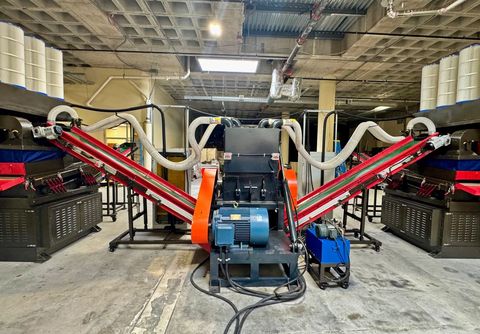
Battery recycling technologies received significant attention during 2025. Researchers and industry stakeholders focused on recovering valuable materials such as lithium, nickel, and cobalt from used batteries.
Expansion of Gigafactory Development
Several regions announced new battery manufacturing facilities between 2025 and 2026. These facilities aim to increase domestic battery production and strengthen supply chains.
Progress Toward Solid-State Batteries
Solid-state battery development continued advancing during 2025 and 2026. While large-scale deployment remains under development, researchers reported improvements in energy density, charging performance, and safety.
Focus on Faster Charging Technology
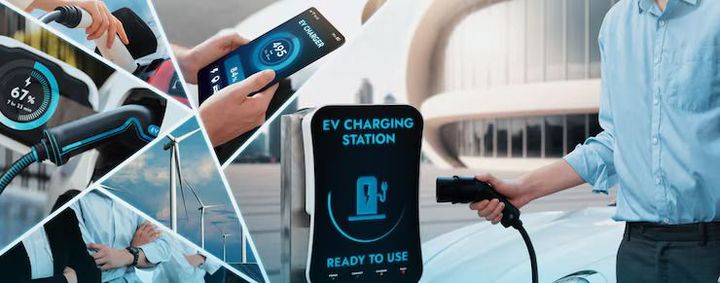
Battery engineers continued improving charging capabilities. New thermal management approaches and advanced battery materials are helping reduce charging times while maintaining battery health.
EV Battery Technology Trends at a Glance
| Trend | Expected Impact |
| Battery Recycling | Improved resource efficiency |
| Solid-State Development | Higher energy density |
| Faster Charging Systems | Greater convenience |
| Advanced Battery Management | Better performance monitoring |
| Local Manufacturing Expansion | Stronger supply chains |
Laws and Policies Affecting Electric Vehicle Batteries
Government regulations play an important role in shaping battery development, manufacturing, transportation, and recycling.
Battery Safety Standards
Most countries require EV batteries to meet strict safety and testing requirements. These standards help ensure safe operation under various conditions.
Environmental Regulations
Many governments have established environmental guidelines covering battery production, transportation, and disposal. These rules encourage responsible resource management and recycling practices.
Battery Recycling Frameworks
Several countries have introduced or expanded battery recycling regulations during recent years. These frameworks encourage the recovery of valuable materials and reduce environmental waste.
Electric Mobility Programs
National and regional electric mobility programs often support battery research, infrastructure development, and technology innovation. These initiatives aim to accelerate the transition toward cleaner transportation systems.
Supply Chain Transparency Requirements
Some regulatory frameworks now emphasize responsible sourcing of battery materials. These policies encourage transparency and sustainability throughout battery supply chains.
Helpful Tools and Resources for Learning About EV Batteries
A variety of educational and analytical resources can help people better understand electric vehicle batteries.
Useful resources include:
- Battery degradation calculators
- EV range estimation tools
- Energy consumption calculators
- Battery chemistry comparison charts
- Electric mobility learning platforms
- Research publications and technical reports
- Battery lifecycle assessment templates
- Charging efficiency calculators
- Sustainability analysis tools
- Energy storage educational resources
These tools can help users explore battery performance, charging behavior, and long-term sustainability concepts.
Electric Vehicle Battery Lifecycle Overview
| Stage | Description |
| Raw Material Extraction | Collection of battery minerals |
| Manufacturing | Production of cells and battery packs |
| Vehicle Use | Daily charging and driving |
| Second-Life Applications | Reuse in stationary storage systems |
| Recycling | Recovery of valuable materials |
Frequently Asked Questions
What is the most common battery used in electric vehicles?
Lithium-ion batteries are currently the most widely used battery technology in electric vehicles because they provide a strong balance of energy density, efficiency, and lifespan.
How long do electric vehicle batteries typically last?
Most modern EV batteries are designed to maintain useful performance for many years. Actual lifespan depends on charging habits, environmental conditions, and battery management practices.
Are electric vehicle batteries recyclable?
Yes. Many battery materials, including lithium, nickel, cobalt, and copper, can be recovered through recycling processes. Recycling technologies continue to improve as EV adoption grows.
What is a solid-state battery?
A solid-state battery replaces the liquid electrolyte found in conventional lithium-ion batteries with a solid material. Researchers believe this technology may improve safety, energy density, and charging performance.
Does fast charging damage EV batteries?
Occasional fast charging is generally supported by modern battery systems. However, frequent use over long periods may contribute to faster battery degradation compared with moderate charging practices.
Conclusion
Electric vehicle batteries are the foundation of modern electric mobility. They store energy, power vehicles, and support the transition toward more efficient transportation systems. Advances in lithium-ion technology, battery management systems, recycling processes, and emerging solid-state designs continue to shape the future of the industry.