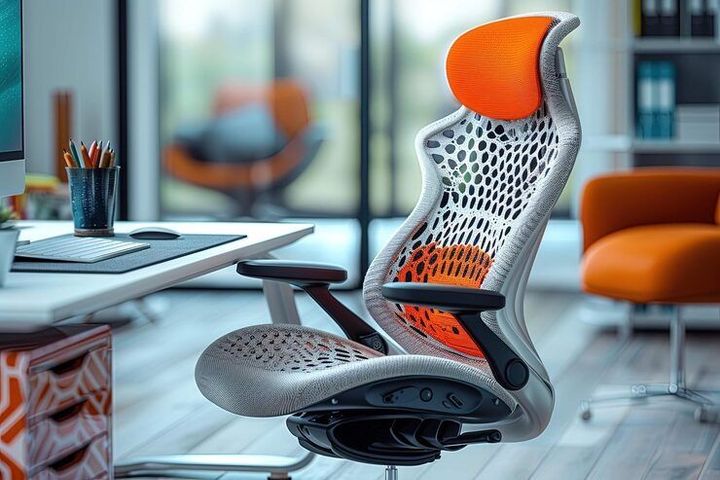
Ergonomic Office Chair Designs Overview: Modern Comfort Solutions for Workspaces
Ergonomic office chair designs refer to seating solutions created to support the human body during long periods of desk work. These chairs are engineered using ergonomic principles that focus on posture alignment, spinal support, and movement flexibility. The goal is to reduce physical strain while improving comfort and productivity in office environments.
Modern workplaces rely heavily on computers and digital devices, leading many individuals to spend long hours seated at desks. Traditional chairs were not designed for prolonged use, often causing discomfort and musculoskeletal strain.
Ergonomic office chair designs were developed to address these challenges by offering adjustable components and body-support features. These chairs aim to improve comfort while supporting proper posture during extended work sessions.
Key Features of Ergonomic Chairs
Typical ergonomic chairs include several essential design elements that enhance usability and comfort:
- Adjustable seat height and depth
- Lumbar support for lower back alignment
- Adjustable armrests and headrests
- Breathable mesh or supportive cushioning
- Tilt and recline mechanisms
These features allow users to customize their seating position based on body type and workspace setup.
Role in Workplace Ergonomics
Ergonomic chairs are part of a broader concept known as workplace ergonomics. This approach focuses on designing work environments that support employee health and efficiency.
They are often used alongside adjustable desks, monitor stands, and keyboard trays to create a well-balanced workstation.
Why Ergonomic Office Chair Designs Matter Today
Work habits have evolved significantly with the rise of remote work and digital collaboration tools. As a result, more people spend extended hours sitting, increasing the risk of physical strain.
Poor posture can contribute to lower back discomfort, neck strain, and reduced circulation. Ergonomic chairs help mitigate these issues by promoting proper posture and encouraging movement.
Who Benefits from Ergonomic Seating
Several groups can benefit from ergonomic office chairs:
- Office employees working long hours at desks
- Remote workers using home office setups
- Students studying on computers
- Designers, developers, and analysts
- Healthcare professionals performing administrative tasks
Workplace Benefits of Ergonomic Chairs
Organizations recognize the connection between comfort and productivity. Ergonomic seating contributes to:
- Improved focus during extended tasks
- Reduced physical strain
- Better workstation organization
- Increased workplace efficiency
Additionally, ergonomic furniture supports inclusive workplace design by accommodating diverse physical needs.
Recent Updates in Ergonomic Chair Design
Recent advancements in ergonomic seating have focused on smart technology and sustainability. In 2025, manufacturers emphasized innovative materials and adaptable designs.
Modern research highlights the importance of micro-movements while sitting, leading to more flexible chair structures.
Key Innovations in 2025
- Use of recycled and sustainable materials
- Posture-tracking sensors in advanced chairs
- Designs suited for hybrid workspaces
- Increased focus on dynamic sitting
Breathable mesh backrests have also become more common, improving airflow and reducing heat buildup.
Smart Features in Modern Chairs
Some advanced ergonomic chairs now include:
- Pressure distribution monitoring
- Posture feedback via connected apps
- Electronic adjustment controls
These features reflect the growing adoption of data-driven workplace health solutions.
Ergonomic Chair Features Comparison
| Feature | Purpose | Workplace Benefit |
|---|---|---|
| Lumbar Support | Supports spinal curve | Reduces lower back strain |
| Adjustable Armrests | Aligns arms with desk | Reduces shoulder tension |
| Seat Depth Adjustment | Fits leg length | Improves circulation |
| Tilt Mechanism | Enables reclining | Encourages movement |
| Breathable Materials | Enhances airflow | Improves comfort |
Laws and Workplace Policies Affecting Ergonomic Seating
Ergonomic furniture is influenced by workplace safety regulations and health guidelines. Many countries promote safe and comfortable work environments through policy frameworks.
While regulations may not mandate specific chair designs, they encourage reducing ergonomic risks.
Examples of Regulatory Frameworks
- Workplace health and safety regulations
- Occupational ergonomics guidelines
- Accessibility standards for inclusive workplaces
- Corporate wellness initiatives
These policies help organizations prioritize employee well-being and reduce workplace discomfort.
Tools and Resources for Workplace Ergonomics
Various tools and resources are available to help improve ergonomic setups. These solutions support both individuals and organizations in optimizing workstations.
Common Ergonomic Tools
- Workstation assessment checklists
- Posture evaluation applications
- Adjustable desk setup guides
- Workplace safety training platforms
- Productivity planning tools
Workstation Alignment Guide
| Workstation Element | Recommended Position |
|---|---|
| Monitor Height | Top of screen at eye level |
| Keyboard Position | Elbows at 90 degrees |
| Chair Height | Feet flat on the floor |
| Lumbar Support | Aligned with lower back |
Posture Best Practices
- Keep feet flat on the floor
- Maintain a neutral spine
- Keep shoulders relaxed
- Adjust armrests for elbow support
These practices help reduce strain and improve comfort during long work sessions.
Frequently Asked Questions About Ergonomic Office Chairs
What Makes a Chair Ergonomic?
An ergonomic chair supports natural posture and includes adjustable features such as seat height, lumbar support, armrests, and tilt mechanisms.
Why Is Lumbar Support Important?
Lumbar support helps maintain the natural curve of the spine and reduces lower back strain during prolonged sitting.
Are Ergonomic Chairs Suitable for Remote Work?
Yes, ergonomic chairs are widely used in home offices to improve comfort and maintain proper posture.
How Should an Ergonomic Chair Be Adjusted?
The chair should allow feet to rest flat on the floor, knees aligned with hips, and the back supported by lumbar features.
Do Ergonomic Chairs Replace Movement?
No, regular movement and breaks are still essential for maintaining circulation and reducing fatigue.
Additional Insights on Modern Workplace Seating
Ergonomic seating is increasingly viewed as part of a comprehensive employee wellness strategy. Organizations often combine ergonomic furniture with health programs to encourage better posture and movement.
The shift toward hybrid work has also led to more adaptable chair designs suitable for both office and home environments.
Key Factors Influencing Chair Development
| Design Factor | Purpose |
|---|---|
| Adjustability | Supports different body types |
| Breathability | Improves airflow |
| Mobility | Enables easy movement |
| Sustainability | Uses eco-friendly materials |
Conclusion
Ergonomic office chair designs play a critical role in creating comfortable and productive work environments. Their adjustable features and posture-support systems help reduce strain during long hours of desk work.
Recent innovations highlight flexible seating, smart monitoring, and sustainable materials. As work environments continue to evolve, ergonomic chairs remain essential for promoting health, comfort, and efficiency.