Hair care routines refer to the regular practices people follow to maintain the health, cleanliness, and appearance of their hair and scalp. These routines exist because hair is exposed daily to environmental factors such as dust, sunlight, humidity, and pollution. Over time, these factors can affect hair texture, strength, and overall condition.
Historically, hair care practices developed from cultural traditions and natural resource availability. Different regions used oils, herbs, and cleansing methods suited to local climates and hair types. As societies evolved, hair care routines adapted to changing lifestyles, urban environments, and personal grooming habits.
Today, hair care routines combine traditional knowledge with modern understanding of scalp health, hair structure, and maintenance techniques. They exist to help people manage common concerns such as dryness, breakage, scalp discomfort, and general hair maintenance in daily life.
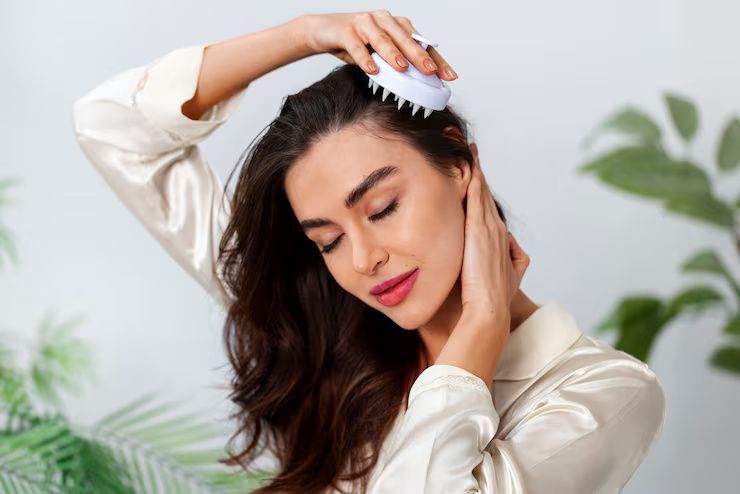
Importance: Why Hair Care Routines Matter Today
Hair care routines matter because hair and scalp health are closely connected to comfort, hygiene, and personal confidence. A consistent routine helps maintain balance between cleansing and protection, reducing common issues that affect many people.
This topic is important because hair care routines:
-
Support scalp hygiene and hair strength
-
Help manage environmental and lifestyle stressors
-
Address common concerns such as dryness and breakage
-
Promote awareness of individual hair types and needs
Hair care affects people of all ages and backgrounds. Daily habits, water quality, climate, and work environments can influence hair condition. Understanding hair care routines helps individuals make informed choices about how often to cleanse, condition, and protect their hair.
By learning about different techniques, people can adapt routines that suit their hair texture, lifestyle, and surroundings without relying on one-size-fits-all approaches.
Recent Updates: Hair Care Trends and Developments
During 2024 and early 2025, hair care discussions increasingly focused on scalp-focused routines and simplified practices. In early 2024, educational content highlighted the scalp as the foundation of healthy hair, encouraging gentler cleansing techniques and balanced routines.
By mid-2024, minimal routines gained attention. Instead of complex multi-step processes, many discussions emphasized consistency, appropriate washing frequency, and reduced mechanical stress from styling tools.
Late 2024 also saw increased interest in understanding hair porosity and texture. Informational resources explained how moisture retention and hair structure influence routine choices, helping people adjust techniques rather than follow generic advice.
In early 2025, digital tools and visual guides became more common, helping users learn brushing techniques, washing methods, and drying practices through accessible educational formats.
Laws or Policies: Regulations Related to Hair Care
Hair care practices are indirectly influenced by consumer safety and cosmetic regulations. These policies focus on ensuring that products and tools used in hair care meet safety and labeling standards.
Regulatory frameworks often address:
-
Ingredient transparency and labeling requirements
-
Safety testing for personal care items
-
Environmental guidelines related to manufacturing
While personal hair care routines themselves are not regulated, these policies help protect consumers by ensuring that commonly used hair care items meet quality and safety benchmarks. Public health guidelines may also address hygiene practices in shared or professional settings.
Understanding these regulations supports informed decision-making and awareness of general safety standards related to hair care.
Tools and Resources: Learning About Hair Care Techniques
Several tools and educational resources help people understand and apply hair care routines effectively. These resources focus on learning rather than promotion and support informed daily practices.
Helpful tools and resources include:
-
Hair type and texture identification charts
-
Scalp condition awareness guides
-
Washing frequency reference tables
-
Brushing and detangling technique diagrams
-
Educational content on drying and protective practices
The table below shows common hair types and routine considerations:
| Hair Type | General Characteristics | Routine Focus |
|---|---|---|
| Straight | Smooth, low curl pattern | Oil balance |
| Wavy | Loose waves, varied texture | Moisture control |
| Curly | Defined curls, higher dryness | Hydration support |
| Coily | Tight curls, fragile strands | Gentle handling |
Another table highlights routine steps and their purpose:
| Routine Step | Purpose |
|---|---|
| Cleansing | Removes buildup and impurities |
| Conditioning | Supports moisture balance |
| Detangling | Reduces breakage |
| Drying | Minimizes stress on strands |
| Protection | Shields hair from damage |
These resources help individuals build routines based on understanding rather than assumptions.
Frequently Asked Questions About Hair Care Routines
How often should hair be cleansed?
Cleansing frequency depends on hair type, scalp condition, and lifestyle factors.
Does scalp care affect hair health?
Yes, scalp condition plays a key role in supporting healthy hair growth and comfort.
Are hair care routines the same for everyone?
No, routines vary based on texture, environment, and personal needs.
Can brushing technique impact hair condition?
Gentle and appropriate brushing techniques can help reduce breakage.
Do environmental factors influence hair care routines?
Climate, humidity, and pollution can all affect routine choices.
Conclusion: Understanding Hair Care Routines and Techniques
Hair care routines and techniques are an essential part of daily personal care, shaped by history, environment, and individual needs. They exist to maintain scalp comfort, hair strength, and overall hygiene while adapting to modern lifestyles.
By understanding the context, importance, recent developments, regulatory considerations, tools, and common questions related to hair care, readers gain a balanced and practical perspective. Hair care routines are not fixed rules but adaptable practices that support long-term hair and scalp well-being through informed and consistent habits.