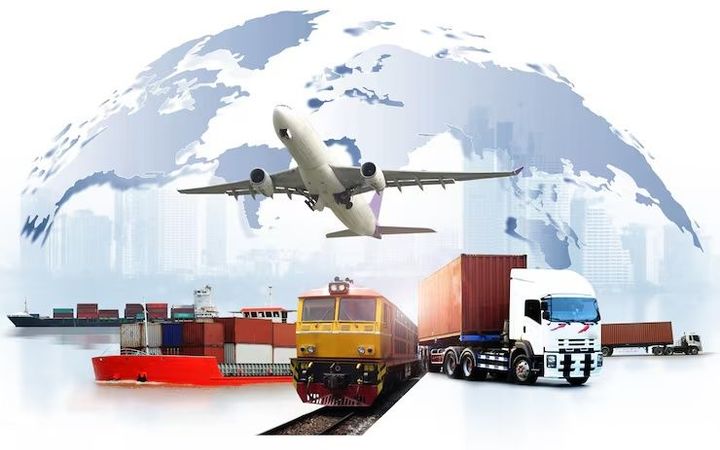
Exploring the Fundamentals of Export Logistics and Global Trade
Export logistics refers to the organized process of transporting goods from one country to another while ensuring compliance with international trade laws, documentation, and customs procedures. It involves several interconnected steps—packaging, warehousing, labeling, freight forwarding, customs clearance, and delivery to the final destination.
Export logistics refers to the processes involved in transporting goods across international borders, while global trade involves the exchange of goods and services between countries. Together, they form the backbone of the global economy by enabling efficient movement of products worldwide.
These systems have evolved from traditional maritime routes to advanced digital platforms that allow real-time tracking, automation, and data-driven decision-making.
Importance of Export Logistics and Trade
Export logistics plays a critical role in maintaining efficient global supply chains. It supports businesses of all sizes, from large corporations to small enterprises entering international markets.
Why It Matters Today
- Economic Growth: Boosts GDP and employment through increased exports
- Trade Balance: Helps countries manage imports and exports effectively
- Supply Chain Stability: Reduces delays and disruptions
- Sustainability: Optimizes routes to lower emissions and waste
- Digital Integration: Enhances transparency through AI and blockchain tools
Efficient logistics ensures that goods reach global markets safely, supporting economic and industrial development.
Recent Trends in Export Logistics (2024–2025)
The global trade landscape has undergone significant transformation due to digitalization, sustainability efforts, and geopolitical changes.
Key Trends and Impact
| Trend | Description | Impact |
|---|---|---|
| Digital Documentation | Use of electronic bills of lading and e-customs systems | Speeds up shipping and reduces paperwork |
| Green Logistics | Adoption of eco-friendly fuels and carbon tracking | Supports environmental goals |
| Regional Trade Agreements | New partnerships across regions | Expands global trade opportunities |
| AI Logistics Management | Predictive analytics for route optimization | Improves efficiency and reduces delays |
| Supply Chain Resilience | Diversification of suppliers and routes | Enhances stability |
Laws and Regulations in Export Logistics
Export logistics is governed by international agreements and national regulations to ensure fair trade, safety, and compliance. These frameworks guide cross-border operations.
Key Regulatory Areas
- International trade agreements and dispute resolution rules
- Shipping terms and responsibilities between buyers and sellers
- Customs and border control regulations
- Export control laws for sensitive goods
- Trade facilitation policies to simplify procedures
These regulations ensure that trade remains secure, transparent, and compliant with global standards.
Tools and Resources for Export Logistics
Various digital tools and platforms help businesses manage export logistics efficiently. These resources simplify documentation, tracking, and compliance.
Useful Tools
| Tool Category | Function | Example Platforms |
|---|---|---|
| Trade Data Platforms | Analyze export/import trends | WITS, UN Comtrade |
| Market Analysis Tools | Study trade patterns and opportunities | ITC Trade Map |
| Freight Platforms | Manage global shipping logistics | Freightos, Flexport |
| Documentation Tools | Generate export documents | Invoice & certificate tools |
| Blockchain Systems | Improve transparency and reduce fraud | Digital logistics platforms |
Additional Resources
- Global supply chain dashboards for real-time tracking
- Export documentation templates
- Government trade portals for compliance information
- Analytics tools for route and demand forecasting
FAQs About Export Logistics
What is the first step in export logistics?
The process begins with preparing export documentation such as invoices, licenses, and shipping details to ensure smooth customs clearance.
What are the main types of export transport?
Common methods include air, sea, rail, and road transport, depending on urgency and destination.
How does digitalization impact trade?
Digital tools improve efficiency, reduce paperwork, and enhance transparency across supply chains.
What challenges do exporters face?
Challenges include changing trade policies, port congestion, cybersecurity risks, and varying customs regulations.
How is sustainability influencing logistics?
Companies are adopting eco-friendly packaging, optimizing routes, and using cleaner fuels to reduce environmental impact.
Conclusion
Export logistics and global trade are essential for connecting markets and driving economic growth. They ensure that goods move efficiently across borders while supporting businesses and industries worldwide.
With advancements in digital tools, sustainability initiatives, and regulatory frameworks, the industry continues to evolve. Understanding these systems helps individuals and organizations navigate global trade effectively and contribute to a more connected and efficient global economy.