Extrusion machines are widely used in manufacturing to shape materials into continuous forms. A plastic extrusion machine works by melting raw material, usually plastic pellets, and pushing it through a shaped opening called a die. This process creates products with a consistent cross-section, such as pipes, sheets, and profiles.
The concept of extrusion dates back to metalworking processes, but over time it has evolved into a key method in plastic manufacturing. Today, an industrial extrusion machine is commonly used in sectors such as construction, packaging, automotive, and agriculture. These machines are designed to handle different materials, including thermoplastics like polyethylene, polypropylene, and PVC.
Different types of extrusion machines are available depending on the application. For example, a PVC pipe extrusion machine is specifically used to produce pipes for plumbing and drainage systems. Similarly, a twin screw extrusion machine is often used for mixing and processing complex materials, while a profile extrusion machine creates shapes like window frames and trims. Smaller setups, such as a mini extrusion machine, are also used for testing, prototyping, or small-scale production.
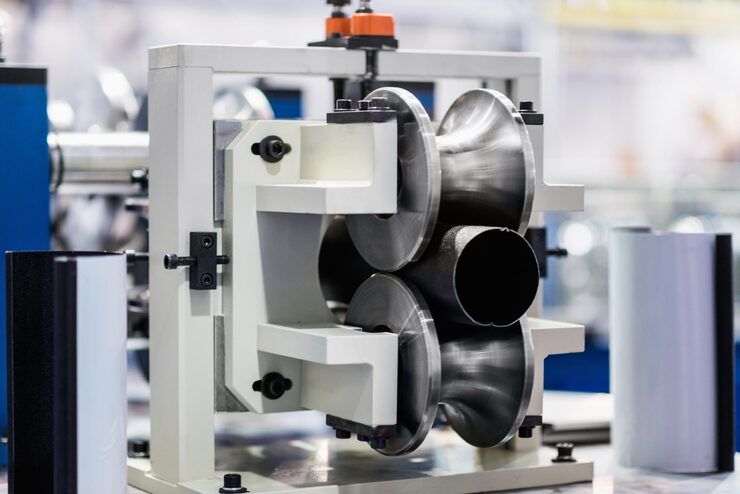
Importance
Extrusion machines play an important role in everyday life, even though most people may not notice their presence. Many common items, such as water pipes, electrical conduits, plastic films, and packaging materials, are produced using a plastic pipe extrusion line or similar systems.
These machines help address several practical needs. For example, they enable the efficient production of durable and lightweight materials, which are widely used in infrastructure projects. Pipes made using a PVC pipe extrusion machine are resistant to corrosion and suitable for long-term use in water systems. In packaging, extrusion allows for the creation of flexible films that help protect food and reduce waste.
Industries also benefit from the consistency and scalability of extrusion processes. A well-designed industrial extrusion machine can produce large quantities of uniform products, which helps maintain quality standards. This consistency is especially important in sectors like construction, where materials must meet specific dimensions and strength requirements.
Another important aspect is material efficiency. Extrusion processes can minimize waste by reusing leftover material and optimizing production. This contributes to more sustainable manufacturing practices, especially when combined with recycling systems.
Recent Updates
From 2024 to 2026, extrusion technology has seen several gradual improvements, mainly focused on efficiency, automation, and environmental impact. One noticeable trend is the integration of smart controls in extrusion machines. Modern systems now include sensors and software that monitor temperature, pressure, and output in real time, helping operators maintain stable production conditions.
Energy efficiency has also become a priority. Many extrusion machine manufacturers are developing machines that consume less power while maintaining performance. This is particularly relevant for large-scale operations that run continuously.
Another trend is the increased use of recycled and biodegradable materials. A twin screw extrusion machine is often used in these applications because it can handle mixed or complex materials more effectively. This supports the growing demand for environmentally responsible manufacturing.
Customization has also improved. Manufacturers now design extrusion lines that can be adjusted for different products, allowing a single plastic pipe extrusion line to produce pipes of varying sizes and specifications with minimal changes.
Laws or Policies
Extrusion machines and their products are influenced by various regulations, particularly in areas related to safety, environmental protection, and product standards. In countries like India, manufacturing operations involving an industrial extrusion machine must follow guidelines set by regulatory bodies such as the Bureau of Indian Standards (BIS) and pollution control boards.
Environmental regulations focus on reducing emissions and managing plastic waste. For example, manufacturers using a plastic extrusion machine are often required to implement waste management practices and ensure that emissions from heating processes remain within permitted limits.
Product standards are also important. Pipes produced using a PVC pipe extrusion machine must meet specific quality and safety requirements, especially when used in water supply systems. These standards ensure that the materials are safe, durable, and suitable for their intended use.
Workplace safety regulations apply as well. Operators must follow safety procedures when working with high-temperature equipment and moving parts. This includes the use of protective gear and proper machine maintenance.
Tools and Resources
Several tools and resources can help individuals and organizations understand and work with extrusion machines more effectively. These include technical software, reference materials, and online platforms.
Common tools and resources include:
- Simulation software for extrusion processes helps engineers model material flow and optimize machine settings before actual production.
- Material databases provide information on different plastics, including melting points, strength, and compatibility with various extrusion methods.
- Industry standards documentation outlines the requirements for products such as pipes, sheets, and profiles.
- Training platforms and instructional videos explain how to operate machines like a twin screw extrusion machine or a profile extrusion machine safely and efficiently.
- Maintenance checklists help ensure that machines, including a mini extrusion machine, remain in good working condition over time.
These resources support both beginners and experienced professionals in understanding the complexities of extrusion technology.
Types of Extrusion Machines
Extrusion machines come in several types, each designed for specific applications. The following table provides a simple comparison:
| Machine Type | Main Use | Key Feature |
|---|---|---|
| Plastic extrusion machine | General plastic products | Versatile and widely used |
| PVC pipe extrusion machine | Pipes and tubing | Designed for rigid materials |
| Twin screw extrusion machine | Mixing and compounding | Handles complex materials |
| Profile extrusion machine | Frames and structural profiles | Produces custom shapes |
| Mini extrusion machine | Small-scale or testing purposes | Compact and easy to operate |
Each type serves a different purpose, but all operate on the same basic principle of melting and shaping material through a die.
Tools and Resources (continued)
In addition to technical tools, collaboration platforms and industry forums allow professionals to share knowledge and discuss challenges. These communities often provide insights into machine setup, troubleshooting, and process improvements.
Manufacturers also publish user manuals and technical guides, which explain how to operate and maintain their machines. These documents are important for ensuring safe and efficient use of equipment.
FAQs
What is a plastic extrusion machine used for?
A plastic extrusion machine is used to create continuous shapes such as pipes, sheets, and films by melting plastic and forcing it through a shaped die. It is commonly used in industries like construction, packaging, and automotive manufacturing.
How does a PVC pipe extrusion machine work?
A PVC pipe extrusion machine heats PVC material until it becomes soft and then pushes it through a circular die to form pipes. The pipe is then cooled and cut to the required length.
What is the difference between a twin screw extrusion machine and a single screw machine?
A twin screw extrusion machine uses two rotating screws to mix and process materials, making it suitable for complex or blended materials. A single screw machine is simpler and often used for standard plastic processing tasks.
What is a profile extrusion machine?
A profile extrusion machine is used to create specific shapes such as window frames, door trims, and structural components. These shapes have a consistent cross-section along their length.
Can a mini extrusion machine be used for production?
A mini extrusion machine is mainly used for testing, research, or small-scale production. It is suitable for developing new materials or products before scaling up to larger systems.
Conclusion
Extrusion machines are an essential part of modern manufacturing, enabling the production of a wide range of everyday products. From plastic pipes to packaging materials, these machines support industries by providing consistent and efficient production methods. Advances in technology have improved their efficiency, adaptability, and environmental performance. Understanding the different types of extrusion machines and their applications helps provide a clearer view of how materials are shaped and used in daily life.