A fire alarm system is a structured network of devices designed to detect fire-related hazards such as smoke, heat, or flames and alert people within a building. These systems have evolved over time from simple manual bells to advanced electronic networks that integrate sensors, control panels, and communication tools. The primary goal is to provide early warning so occupants can respond quickly and reduce potential harm.
The concept of fire detection dates back centuries, when communities relied on watchtowers and human observation to identify fires. With the growth of urban environments and multi-story buildings, more reliable and automated systems became necessary. Modern fire alarm system designs now combine technology, engineering standards, and safety practices to support both residential and commercial environments.
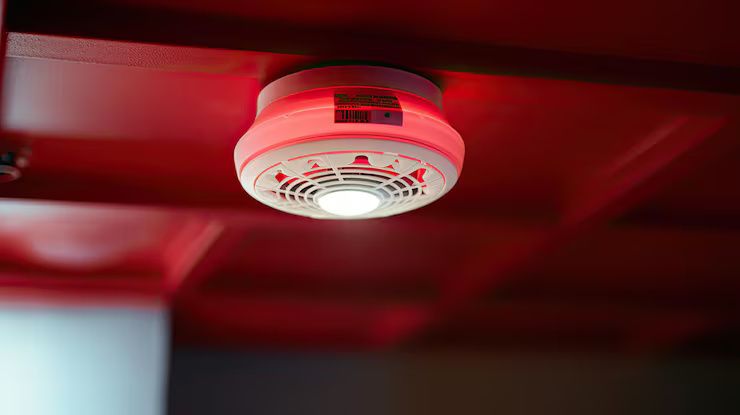
A typical fire alarm system includes detection devices such as smoke detectors, heat detectors, and manual call points. These components are connected to a central control panel, which processes signals and activates alarms like sirens, flashing lights, or voice messages. Some systems also connect to external monitoring centers or emergency response networks.
Understanding how a fire alarm system works helps individuals recognize its role in everyday safety. It is not only used in large public buildings but is also increasingly common in homes, schools, hospitals, and workplaces.
Importance
Fire incidents can develop rapidly, often spreading within minutes. A fire alarm system plays a critical role in minimizing risk by providing early notification. This early warning allows occupants to evacuate safely and enables emergency responders to act more efficiently.
One of the key reasons fire alarm systems matter today is the increasing complexity of modern buildings. High-rise structures, underground facilities, and densely populated areas require reliable detection and communication systems to manage emergencies effectively.
Fire alarm systems benefit a wide range of people and environments:
- In homes, they provide alerts during nighttime or when occupants may not notice smoke.
- In workplaces, they help coordinate evacuation and reduce confusion during emergencies.
- In public buildings, they assist in managing large groups and guiding safe exits.
- In industrial settings, they help detect hazards that may not be visible immediately.
Another important aspect is accessibility. Many modern fire alarm system designs include visual alarms, such as flashing lights, to support individuals with hearing impairments. Voice evacuation systems can also provide clear instructions, helping people navigate exits more safely.
Fire alarm systems also address challenges such as delayed response, lack of awareness, and human error. By automating detection and alert processes, they reduce dependence on manual observation and improve overall safety outcomes.
Recent Updates
In recent years, fire alarm system technology has seen gradual advancements driven by digital integration and smart building trends. These developments focus on improving accuracy, reducing false alarms, and enhancing communication.
One notable trend is the integration of smart sensors. Modern detectors can distinguish between different types of smoke and environmental conditions, reducing unnecessary alarms caused by cooking fumes or dust. This improves reliability and user confidence.
Another development is the use of connected systems. Fire alarm systems can now integrate with building management systems, allowing centralized monitoring of safety features such as sprinklers, ventilation, and access controls. This integration supports coordinated responses during emergencies.
Wireless fire alarm system configurations have also become more common. These systems reduce the need for extensive wiring and can be easier to install in existing buildings. They are particularly useful in heritage structures or areas where structural modifications are limited.
Cloud-based monitoring is another emerging trend. Some systems allow remote access through secure platforms, enabling building managers to monitor alerts, system status, and maintenance needs from different locations.
Voice alarm systems are also gaining attention. Instead of relying solely on sirens, these systems provide spoken instructions, which can reduce panic and improve evacuation efficiency.
Overall, recent updates reflect a shift toward more intelligent, adaptable, and user-friendly fire alarm system solutions.
Laws or Policies
Fire alarm system requirements are often shaped by national and local regulations. These rules aim to ensure that buildings meet minimum safety standards and provide adequate protection for occupants.
In India, fire safety is governed by guidelines such as the National Building Code (NBC). The NBC outlines requirements for fire detection, alarm systems, and evacuation procedures in different types of buildings. It provides recommendations based on factors such as building height, occupancy type, and usage.
Local authorities, such as municipal corporations and fire departments, may also enforce additional rules. These regulations often require buildings to install and maintain fire alarm systems, conduct regular inspections, and ensure proper functioning of all components.
Key policy aspects related to fire alarm systems include:
- Installation requirements: Buildings must have appropriate detection and alarm systems based on their size and purpose.
- Maintenance standards: Regular testing and inspection are necessary to ensure reliability.
- Certification and compliance: Systems must meet recognized standards and may require approval from authorities.
- Emergency planning: Buildings must have clear evacuation plans supported by alarm systems.
International standards, such as those from organizations like the International Organization for Standardization (ISO) or the National Fire Protection Association (NFPA), also influence system design and practices in many regions.
Understanding these laws helps building owners and occupants recognize the importance of compliance and the role of fire alarm systems in public safety.
Tools and Resources
Various tools and resources can help individuals and organizations understand, manage, and maintain a fire alarm system. These resources support planning, monitoring, and education.
Digital platforms and tools include:
- Building safety management software: These platforms allow users to track inspections, maintenance schedules, and system performance.
- Fire risk assessment templates: Structured documents that help identify potential hazards and evaluate safety measures.
- Mobile applications: Some apps provide guidance on emergency procedures, alarm testing reminders, and safety checklists.
- Online training modules: Educational programs that explain how fire alarm systems work and how to respond during emergencies.
Technical resources are also available:
- Manufacturer manuals: Detailed instructions for installation, operation, and maintenance of specific systems.
- Standard guidelines: Documents such as the National Building Code provide technical requirements and safety recommendations.
- Inspection checklists: Tools used by safety professionals to ensure all system components are functioning properly.
The table below summarizes common components of a fire alarm system and their functions:
| Component | Function Description |
|---|---|
| Smoke Detector | Detects smoke particles in the air |
| Heat Detector | Responds to temperature changes or high heat levels |
| Manual Call Point | Allows individuals to manually trigger the alarm |
| Control Panel | Processes signals and activates alarms |
| Alarm Devices | Includes sirens, bells, and flashing lights |
| Voice Alarm System | Provides spoken instructions during emergencies |
| Power Supply | Ensures system operation, including backup during outages |
These tools and resources help improve understanding and support the effective use of fire alarm systems in different environments.
FAQs
What is a fire alarm system and how does it work?
A fire alarm system is a network of devices that detect fire-related hazards and alert occupants. It works by using sensors to identify smoke, heat, or flames and sending signals to a control panel, which then activates alarms such as sirens or lights.
Why is a fire alarm system important in buildings?
A fire alarm system provides early warning during fire incidents, allowing people to evacuate safely. It helps reduce risks by ensuring that occupants are alerted quickly and can respond in an organized manner.
What are the main types of fire alarm system?
Common types include conventional systems, which divide buildings into zones, and addressable systems, which identify the exact location of a triggered device. Wireless systems are also used in some buildings where wiring is limited.
How often should a fire alarm system be checked?
Regular inspection and testing are important to ensure proper functioning. Many guidelines recommend periodic checks, including routine testing of detectors, alarms, and control panels.
Can a fire alarm system reduce false alarms?
Modern fire alarm systems use advanced sensors and algorithms to distinguish between real fire conditions and non-threatening factors like dust or steam. This helps reduce unnecessary alarms while maintaining safety.
Conclusion
A fire alarm system is an essential part of modern safety infrastructure, designed to detect hazards and alert occupants quickly. Its importance lies in providing early warning, supporting evacuation, and reducing risks associated with fire incidents. Advances in technology have made these systems more accurate and adaptable to different environments. Regulations and guidelines help ensure that systems are installed and maintained properly. Understanding how fire alarm systems work can help individuals recognize their role in everyday safety.