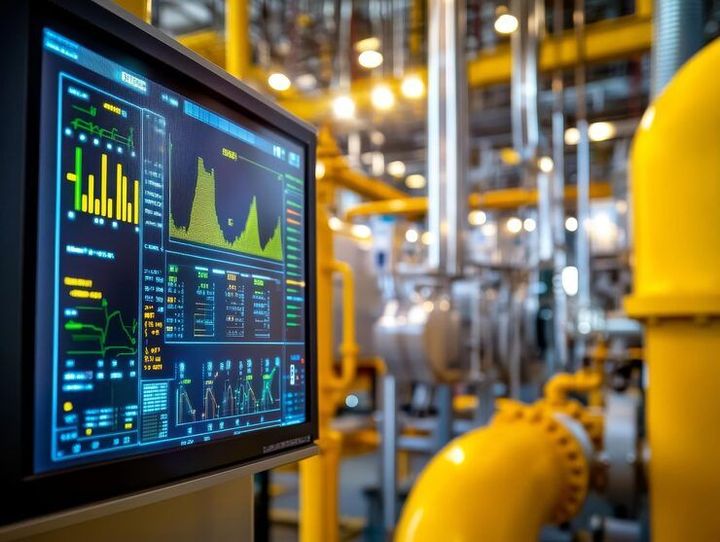
Gas Analytics Complete Guide to Accurate Gas Monitoring and Data Analysis
Gas monitoring plays an essential role in industrial operations, environmental protection, laboratory research, energy production, and workplace safety.
Gas Analytics refers to the collection, measurement, interpretation, and reporting of gas-related data to monitor gas composition, detect hazardous substances, optimize industrial processes, and support regulatory compliance. Modern gas analytics combines advanced sensing technologies with real-time data analysis to deliver accurate and actionable insights.
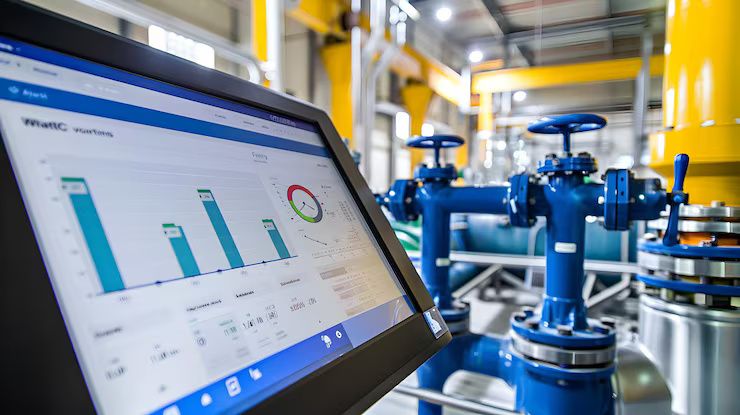
Today's gas analytics systems integrate smart sensors, cloud connectivity, Industrial Internet of Things (IIoT) platforms, artificial intelligence, and automated reporting tools. These technologies help organizations improve operational efficiency, enhance safety, and make data-driven decisions across a wide range of industries.
This guide explains Gas Analytics, its working principles, key technologies, applications, benefits, maintenance practices, and emerging trends in gas monitoring and data analysis.
What Is Gas Analytics?
Gas Analytics is the process of measuring, analyzing, and interpreting the concentration and composition of gases using specialized instruments and software. These systems provide continuous or periodic monitoring of gases for operational, environmental, and safety purposes.
Gas analytics commonly measures:
Oxygen (O₂)
Carbon dioxide (CO₂)
Carbon monoxide (CO)
Hydrogen (H₂)
Methane (CH₄)
Nitrogen (N₂)
Sulfur dioxide (SO₂)
Nitrogen oxides (NOₓ)
Volatile organic compounds (VOCs)
Process-specific industrial gases
The specific gases monitored depend on the application and industry requirements.
Why Gas Analytics Matters
Reliable gas measurement supports safe operations and efficient process management.
Gas Analytics helps:
Monitor gas concentrations accurately
Improve workplace safety
Support environmental monitoring
Optimize industrial processes
Detect abnormal operating conditions
Assist with regulatory compliance
Accurate data enables organizations to respond more effectively to changing operating conditions.
How Gas Analytics Works
Most gas analytics systems follow a structured monitoring process.
Gas Sampling
Air or process gas is collected through sensors, probes, or sampling systems.
Detection
Specialized sensors measure gas concentration using appropriate detection technologies.
Signal Processing
Measurement signals are converted into digital data for analysis.
Data Analysis
Software evaluates trends, thresholds, and historical measurements to generate useful insights.
Reporting and Alerts
The system displays dashboards, generates reports, and issues alerts when predefined conditions are detected.
Common Detection Technologies
Different technologies are used depending on the gases being measured.
Electrochemical Sensors
Commonly used for detecting toxic gases and oxygen.
Infrared (IR) Sensors
Suitable for measuring gases such as carbon dioxide and hydrocarbons.
Catalytic Bead Sensors
Often used for combustible gas detection.
Photoionization Detectors (PID)
Measure volatile organic compounds in industrial environments.
Thermal Conductivity Sensors
Used for analyzing gas mixtures with varying thermal conductivity.
Applications Across Industries
Gas Analytics supports numerous industrial and scientific sectors.
Oil and Gas
Monitor process gases, emissions, and production systems.
Manufacturing
Support combustion efficiency, process optimization, and workplace safety.
Environmental Monitoring
Measure air quality and industrial emissions.
Healthcare
Assist with laboratory analysis, medical gas monitoring, and research applications.
Power Generation
Monitor combustion gases and improve operational efficiency.
Food and Beverage
Analyze packaging atmospheres and production processes.
Technologies Supporting Modern Gas Analytics
Modern gas monitoring systems integrate advanced digital technologies.
Examples include:
Industrial Internet of Things (IIoT)
Artificial intelligence
Machine learning
Cloud-based dashboards
Edge computing
Wireless sensor networks
Remote monitoring
Predictive maintenance platforms
These technologies improve system reliability, scalability, and operational visibility.
Gas Analytics Overview
| Process Stage | Primary Purpose |
|---|---|
| Gas Sampling | Collect representative gas samples |
| Detection | Measure gas concentration |
| Signal Processing | Convert sensor output into digital data |
| Data Analysis | Evaluate trends and conditions |
| Reporting | Generate dashboards and reports |
| Alert Management | Notify users of significant events |
Data Quality and Calibration
Reliable gas measurements depend on proper maintenance and calibration.
Recommended practices include:
Perform scheduled sensor calibration.
Verify instrument accuracy regularly.
Replace aging sensors when necessary.
Use certified calibration gases.
Document maintenance activities.
Review historical performance data.
Routine calibration helps maintain measurement accuracy and consistency.
Maintenance Considerations
Preventive maintenance supports dependable long-term operation.
Typical maintenance activities include:
Cleaning sensor components
Inspecting sampling lines
Checking filters
Verifying electrical connections
Updating system software
Testing alarm functions
Regular maintenance reduces downtime and supports consistent performance.
Safety Considerations
Gas monitoring systems contribute to workplace safety, but they should be used alongside established safety procedures.
Important practices include:
Follow equipment operating instructions.
Test monitoring systems routinely.
Train personnel on alarm response procedures.
Maintain emergency response plans.
Use appropriate personal protective equipment.
Inspect monitoring equipment before critical operations.
These measures help support safer industrial environments.
Current Industry Trends
Gas Analytics continues to evolve with digital transformation.
Recent developments include:
Artificial intelligence-assisted analytics
Continuous remote monitoring
Smart wireless gas detectors
Predictive maintenance
Digital twin integration
Real-time emissions reporting
Automated compliance documentation
Cloud-based data visualization
These innovations improve operational efficiency while enabling faster decision-making.
Looking Ahead
Future Gas Analytics solutions are expected to incorporate more advanced artificial intelligence, improved sensor sensitivity, autonomous monitoring systems, and expanded cloud connectivity. Continued progress in analytics software and IIoT platforms will support more accurate measurements, faster anomaly detection, and improved operational insights across industrial environments.
Why Understanding Gas Analytics Matters
Learning about Gas Analytics helps engineers, environmental professionals, researchers, and facility managers understand how accurate gas monitoring supports safety, process optimization, and environmental responsibility. A strong understanding of measurement technologies, data analysis, and maintenance practices contributes to more informed operational decisions.
Conclusion
Gas Analytics is an essential component of modern industrial operations, environmental monitoring, and scientific research. By combining advanced sensing technologies, intelligent data analysis, and automated reporting, gas analytics systems provide accurate information that supports safe operations, regulatory compliance, and efficient process management. As digital technologies continue to advance, gas analytics will play an increasingly important role in delivering reliable, real-time insights across diverse industries.