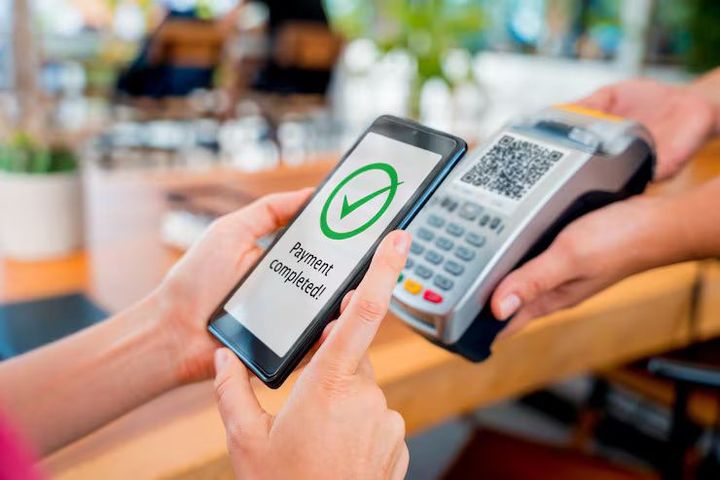
Google Pay Complete Guide: Features, Benefits, UPI Payments & How to Use
Google Pay has become one of the most widely used digital payment applications for everyday transactions. It enables users to transfer money, pay bills, recharge mobile phones, make merchant payments, and complete online purchases using the Unified Payments Interface (UPI). As digital payments continue to grow across India and many other countries, understanding how Google Pay works helps individuals and businesses make informed financial decisions.
The rise of smartphones, secure payment technologies, and government-supported digital infrastructure has made cashless transactions more convenient than ever. Google Pay combines these technologies into a simple application designed for daily use while supporting multiple banks and payment methods.
Today, digital payments are no longer limited to urban areas. Students, professionals, families, retailers, and small businesses increasingly rely on UPI applications for fast and secure money transfers. Learning how Google Pay functions provides valuable knowledge about modern financial technology and digital banking.
Understanding Google Pay
Google Pay is a digital payment platform developed by Google that allows users to make electronic payments through smartphones. In India, the application primarily operates using the Unified Payments Interface (UPI), a payment system developed by the National Payments Corporation of India (NPCI).
Unlike traditional bank transfers that may require account numbers and IFSC codes, UPI transactions can be completed using a UPI ID or QR code. The money moves directly between bank accounts without requiring users to maintain a separate wallet balance for standard UPI payments.
Key Features
- UPI money transfers
- QR code payments
- Mobile recharge
- Utility bill payments
- Bank account management
- Transaction history
- Multiple bank account support
- Secure authentication
- Contactless merchant payments
- Rewards and transaction insights (where applicable)
Why Google Pay Matters Today
Digital payments have become an essential part of everyday financial activities. Google Pay simplifies many routine transactions while reducing dependence on physical cash.
It benefits a wide range of users including:
- Students
- Salaried professionals
- Small business owners
- Online shoppers
- Families managing household expenses
- Freelancers
- Merchants accepting digital payments
Problems It Helps Solve
| Common Challenge | How Google Pay Helps |
|---|---|
| Carrying cash | Enables digital transactions |
| Lengthy bank transfers | Instant UPI transfers |
| Bill payment reminders | Supports recurring bill management |
| Sharing expenses | Easy person-to-person payments |
| Merchant payments | QR code scanning simplifies checkout |
| Multiple bank accounts | Manage several accounts in one app |
The widespread acceptance of UPI has also encouraged financial inclusion by making digital payments accessible to users across different regions.
How Google Pay Works
Google Pay connects securely with a user's bank account through UPI registration.
The typical process includes:
- Install the application.
- Verify the mobile number linked to the bank account.
- Select the preferred bank.
- Create or verify the UPI PIN.
- Start sending or receiving payments.
Users can transfer money using:
- Mobile number
- UPI ID
- QR code
- Bank account details (where supported)
- Self-account transfers
The application securely communicates with banking systems while authentication is completed using the user's UPI PIN.
Benefits of Using Google Pay
Several advantages have contributed to the widespread adoption of Google Pay.
Convenience
Transactions can be completed within seconds using a smartphone.
Security
Multiple layers of authentication help protect payment information.
Speed
UPI transfers usually occur almost instantly.
Wide Acceptance
Many online platforms and physical stores support Google Pay.
Transaction History
Users can review previous payments for personal record keeping.
Bank Integration
Multiple participating banks can be linked within one application.
Google Pay Features Overview
| Feature | Purpose |
|---|---|
| UPI Payments | Send and receive money |
| QR Payments | Merchant transactions |
| Bill Payments | Electricity, gas, water and more |
| Mobile Recharge | Recharge prepaid connections |
| Bank Linking | Connect multiple bank accounts |
| Payment History | View previous transactions |
| Security Controls | Authentication and encryption |
| Merchant Payments | Retail and online purchases |
Recent Updates and Trends (2025–2026)
Digital payment services continue to evolve with improvements in security, convenience, and regulatory compliance.
Some important developments include:
- Continued growth in UPI transaction volumes across India during 2025 and 2026.
- Banks and payment providers expanded support for enhanced fraud detection systems.
- Increased adoption of QR-code-based merchant payments among small businesses.
- Improvements in transaction notifications and payment tracking.
- Continued focus on digital financial inclusion initiatives.
- Stronger cybersecurity awareness campaigns encouraging users to protect UPI PINs and avoid payment fraud.
These developments reflect the ongoing expansion of India's digital payments ecosystem and the increasing role of secure electronic transactions in daily life.
Security Features
Google Pay incorporates several security measures.
These include:
- Device authentication
- UPI PIN verification
- Data encryption
- Fraud monitoring
- Secure bank authentication
- Account verification
- Screen lock protection
- Suspicious activity detection
Safe Usage Tips
- Never share your UPI PIN.
- Verify recipient details before sending money.
- Ignore suspicious payment requests.
- Update the application regularly.
- Enable phone screen lock.
- Avoid sharing OTPs.
- Monitor transaction notifications.
Google Pay and UPI Growth
Estimated Digital Payment Adoption Trend

2022  ██████
2023  █████████
2024  ████████████
2025  ███████████████
2026  █████████████████
Illustrative representation showing increasing digital payment adoption.
Laws and Policies Affecting Google Pay
Google Pay operates within the regulatory framework established by financial authorities and payment networks.
Important regulatory areas include:
Reserve Bank of India (RBI)
The RBI regulates payment systems, digital payment security, customer protection, and banking standards.
National Payments Corporation of India (NPCI)
NPCI manages the Unified Payments Interface (UPI), which powers most Google Pay transactions in India.
KYC Requirements
Certain banking services may require Know Your Customer (KYC) compliance according to banking regulations.
Data Protection
Financial institutions follow applicable privacy and cybersecurity requirements to protect user information.
Consumer Protection
Users have access to dispute resolution mechanisms provided by banks and payment systems for eligible transactions.
These regulations help improve transparency, security, and reliability across India's digital payment ecosystem.
Helpful Tools and Resources
The following resources can help users better understand digital payments and financial management.
| Tool or Resource | Purpose |
|---|---|
| Google Pay App | Digital payments |
| UPI QR Scanner | Merchant payments |
| NPCI UPI Information | UPI education |
| RBI Financial Education Resources | Digital banking awareness |
| Bank Mobile Apps | Account management |
| Bill Payment Platforms | Utility payments |
| Transaction History | Expense tracking |
| Budget Planning Templates | Personal finance management |
Additional useful resources include:
- Digital banking guides
- Financial literacy materials
- Security awareness checklists
- Monthly expense trackers
- Personal budgeting spreadsheets
Best Practices for Everyday Usage
Using Google Pay responsibly improves both convenience and security.
Recommended practices include:
- Keep your mobile number updated with your bank.
- Review transaction history regularly.
- Use strong device security settings.
- Verify merchant QR codes before payment.
- Report suspicious transactions immediately to your bank.
- Keep banking information confidential.
- Install updates whenever available.
Frequently Asked Questions
What is Google Pay?
Google Pay is a digital payment application that allows users to send money, receive payments, pay bills, recharge mobile phones, and make merchant payments using UPI and supported banking services.
Is Google Pay safe to use?
Google Pay uses multiple security technologies including encryption, authentication, and UPI PIN verification. Users should also follow safe digital payment practices to protect their accounts.
Does Google Pay require a bank account?
Yes. Standard UPI payments require linking an eligible bank account registered with a mobile number.
Can Google Pay be used for merchant payments?
Yes. Many merchants accept Google Pay through QR codes and supported online payment options.
What should I do if a payment fails?
Users should first check their bank account, internet connection, and transaction status. If the issue continues, they can contact their bank or the payment application's support process for assistance.
Conclusion
Google Pay has become an important part of India's growing digital payments ecosystem by simplifying UPI transactions, bill payments, merchant payments, and everyday banking activities. Its integration with the Unified Payments Interface allows users to transfer money quickly while maintaining strong security standards through authentication and encryption.