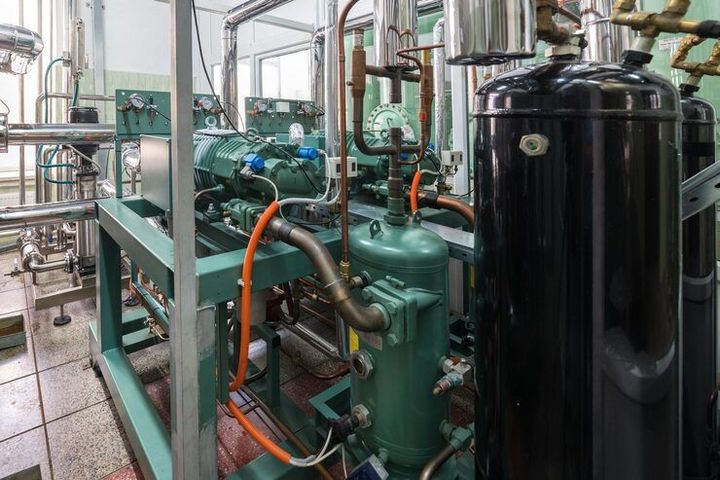
Guide to Gas Compressors: Analysis, Research, and Emerging Industry Trends
Gas compressors are machines that increase the pressure of gases by reducing their volume. They play an important role in energy production, manufacturing, transportation, and chemical processing. Discussions about gas compressor manufacturers often focus on efficiency, safety, materials, and integration with larger industrial systems.
Industrial gas compressor systems handle many different gases, including air, natural gas, hydrogen, nitrogen, and specialized process streams. The equipment may operate continuously within pipelines, processing facilities, or storage installations.
Natural gas compressor suppliers contribute to energy infrastructure by supporting the movement of fuel through transmission networks. Similar technologies are also used in refining, petrochemical operations, and industrial manufacturing environments.
Historical Development of Compression Technology
Early compression devices relied on simple mechanical principles powered by water wheels or steam engines. As industrialization expanded, piston-driven equipment became common across mining and manufacturing sectors.
The twentieth century introduced centrifugal, rotary screw, and turbo compressor designs. These developments improved efficiency and enabled large-scale industrial activity. Modern systems incorporate digital controls, sensors, and automated monitoring capabilities.
Advanced gas compression technologies now combine mechanical engineering with data analysis and predictive maintenance methods. This integration supports reliable operation across diverse applications.
Major Categories of Gas Compressors
Different industries use different compressor designs according to pressure requirements and gas characteristics.
Common categories include:
- Reciprocating compressors for high-pressure applications.
- Rotary screw compressors for continuous industrial processes.
- Centrifugal compressors for large gas volumes.
- Gas booster compressor systems for additional pressure increases.
- Specialized hydrogen gas compressor systems designed for unique material requirements.
Each category reflects specific operational needs and engineering considerations.
Importance
Supporting Energy Infrastructure
Gas compression equipment forms a critical part of modern energy systems. Without pressure management, transporting fuel through extensive pipeline networks would be difficult.
Natural gas, liquefied natural gas, and hydrogen distribution all depend on carefully designed compression processes. LNG gas compression equipment contributes to handling and movement within broader energy supply chains.
Industrial facilities also rely on process gas compression solutions to maintain stable operating conditions. These systems influence production continuity across many sectors.
Applications Across Industries
Industrial gas compressor systems appear in numerous environments, including:
- Oil and gas production facilities.
- Chemical processing plants.
- Power generation stations.
- Steel and metal manufacturing.
- Food and beverage processing operations.
- Pharmaceutical manufacturing environments.
The widespread use of compressors demonstrates their significance within modern industrial ecosystems.
High-Pressure Operations
High pressure gas compressors support applications requiring substantial pressure increases. Examples include gas storage, industrial processing, and specialized manufacturing procedures.
Engineers carefully evaluate materials, seals, and operating conditions to ensure safe performance. Temperature management and pressure monitoring remain central aspects of equipment design.
Growth of Hydrogen Infrastructure
Hydrogen gas compressor systems have gained attention as interest in alternative energy pathways expands. Hydrogen presents unique engineering challenges because of its small molecular size and interaction with certain materials.
Modern designs incorporate advanced sealing methods and specialized alloys to address these considerations. Research in this field continues to influence broader developments within compression technology.
Recent Updates
Digital Monitoring and Smart Operations
Recent developments emphasize data-driven operation. Sensors embedded within industrial gas compressor systems provide information about pressure, temperature, vibration, and energy use.
Digital platforms enable operators to observe equipment conditions continuously. Early identification of irregular patterns supports planned maintenance activities and operational stability.
Expansion of Hydrogen Applications
Hydrogen infrastructure projects have encouraged additional research into compressor technologies. Manufacturers and researchers continue exploring efficient methods for hydrogen transport and storage.
Hydrogen gas compressor systems now incorporate sophisticated control strategies designed to address the distinct properties of the gas. These efforts contribute to wider discussions regarding future energy systems.
Integration of Gas Booster Systems
Gas booster compressor systems remain important where additional pressure increases are required beyond primary compression stages. Modern facilities increasingly integrate booster equipment into centralized digital control environments.
This coordinated approach supports smoother operation throughout industrial processes.
Development of Large Compression Facilities
Turnkey gas compression plants have become more common within large infrastructure projects. These integrated facilities combine compressors, controls, piping networks, and monitoring systems into coordinated operational frameworks.
The approach supports standardized procedures and consistent communication among various components.
Comparison of Common Compressor Types
| Compressor Type | Typical Application | Main Characteristic |
|---|---|---|
| Reciprocating | High-pressure processing | Strong pressure capability |
| Rotary screw | Continuous industrial operation | Stable flow rates |
| Centrifugal | Large gas volumes | High throughput |
| Booster compressor | Secondary pressure increase | Supplemental compression |
| Hydrogen compressor | Energy infrastructure | Specialized materials |
Energy Efficiency Trends
Advanced gas compression technologies increasingly focus on energy management. Variable-speed drives and intelligent control algorithms help align output with process demands.
Reducing unnecessary energy consumption supports environmental goals while maintaining operational performance. Efficient system design also contributes to broader sustainability initiatives across industrial sectors.
Laws or Policies
Equipment Safety Standards
Gas compressors operate under strict safety frameworks in many countries. Regulations address pressure vessels, mechanical integrity, electrical systems, and emergency procedures.
International standards organizations publish guidelines covering equipment design, testing, and operational practices. Compliance with these frameworks supports safe industrial environments.
Environmental Regulations
Environmental policies influence emissions management, energy consumption, and methane reduction initiatives. Natural gas infrastructure projects frequently incorporate monitoring technologies aligned with these objectives.
LNG gas compression equipment and related systems often operate within environmental reporting requirements established by national authorities.
Hydrogen Policy Development
Hydrogen infrastructure continues to receive attention from policymakers around the world. Regulations increasingly address storage methods, transportation procedures, and equipment certification.
Hydrogen gas compressor systems therefore operate within evolving technical and safety frameworks designed to support responsible implementation.
Workplace Protection Requirements
Industrial facilities must maintain procedures that protect personnel working near rotating equipment and pressurized systems. Training programs, inspection routines, and emergency response planning remain important elements of workplace safety.
These measures help reduce operational risks associated with high-pressure environments.
Tools and Resources
Digital Monitoring Platforms
Modern compressor installations frequently use industrial software platforms that gather operational information. These systems track:
- Pressure trends.
- Temperature measurements.
- Energy consumption.
- Vibration patterns.
- Maintenance schedules.
The resulting data supports informed decision-making throughout facility operations.
Engineering Standards Organizations
Technical standards bodies publish documents related to compressor design and pressure systems. Engineers often consult these materials during planning and implementation stages.
Reference documents address mechanical integrity, material selection, piping arrangements, and safety considerations.
Simulation and Modeling Software
Computer modeling tools assist engineers in analyzing gas flow behavior and thermal conditions. Simulation methods help evaluate compressor performance before physical implementation.
These analytical techniques contribute to improvements in process gas compression solutions and broader industrial applications.
Educational Institutions and Research Programs
Universities and engineering institutes conduct research related to thermodynamics, materials science, and energy systems. Their findings influence ongoing developments within advanced gas compression technologies.
Collaborative projects frequently examine hydrogen infrastructure, digital monitoring, and efficiency improvements.
FAQs
What do gas compressor manufacturers produce?
Gas compressor manufacturers develop equipment that increases gas pressure for industrial, energy, and processing applications. Their products include reciprocating, rotary, centrifugal, and specialized compressor systems.
How do industrial gas compressor systems support manufacturing?
Industrial gas compressor systems provide controlled gas movement and pressure management for chemical production, power generation, refining, and numerous manufacturing activities.
What are gas booster compressor systems used for?
Gas booster compressor systems increase pressure beyond primary compression stages. They are commonly used in storage facilities, industrial processing environments, and specialized applications requiring higher pressures.
Why are hydrogen gas compressor systems different from conventional designs?
Hydrogen gas compressor systems must address the unique properties of hydrogen, including its small molecular structure and interaction with certain metals. Material selection and sealing methods therefore receive special attention.
What role does LNG gas compression equipment play in energy infrastructure?
LNG gas compression equipment supports handling, transportation, and processing activities associated with liquefied natural gas operations. Compression helps maintain appropriate conditions throughout different stages of the energy chain.
Conclusion
Gas compressors remain fundamental components of modern industrial and energy infrastructure. From natural gas networks to hydrogen applications, these systems enable controlled movement and pressure management across diverse sectors. Advanced gas compression technologies continue to incorporate digital monitoring, energy efficiency measures, and integrated operational frameworks. Understanding compressor categories, regulatory requirements, and emerging developments provides valuable context for the evolving role of gas compression in contemporary industry.