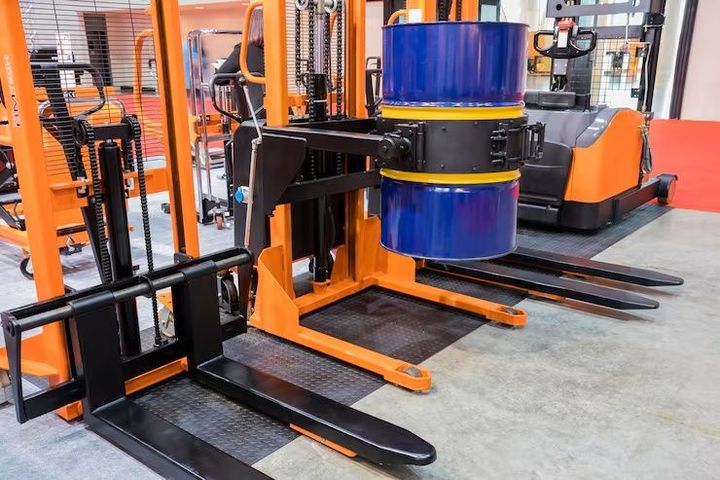
Guide to Palletizers & Depalletizers: Functions, Benefits, and Insights
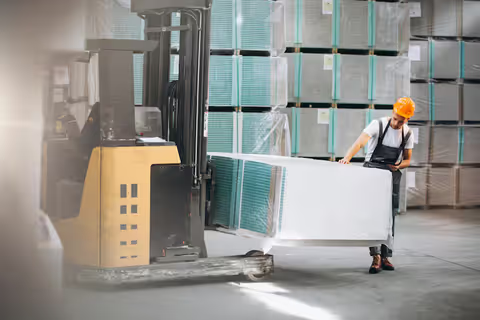
Palletizers and depalletizers are automated machines used in manufacturing and logistics environments to handle goods arranged on pallets. A palletizer stacks products such as boxes, bags, or containers onto pallets in an organized pattern, while a depalletizer performs the reverse process by unloading items from pallets. These systems are commonly found in industries such as food processing, pharmaceuticals, consumer goods, and warehousing.
The use of palletizers & depalletizers developed as production volumes increased and manual handling became less efficient. Early systems relied on simple mechanical designs, but modern machines often incorporate robotics, sensors, and software to improve accuracy and flexibility. Today, they play a key role in streamlining material handling processes across supply chains.
Importance
Palletizers & depalletizers are important because they help manage large volumes of goods efficiently while reducing the need for repetitive manual labor. In many facilities, products must be moved quickly and consistently, which can be difficult to achieve through manual stacking and unstacking.
These systems address several common challenges. Workplace safety is one concern, as lifting heavy items repeatedly can lead to injuries. Automation reduces this risk by handling the physical workload. Consistency is another factor, since machines can arrange items in uniform patterns, which improves storage stability and transport efficiency.
Industries that rely on high-speed production benefit from these systems in several ways:
- Improved throughput, where goods are processed at a steady rate
- Reduced handling errors, minimizing product damage
- Better space utilization, as pallets are stacked in optimized layouts
- Easier inventory management due to standardized pallet configurations
For everyday consumers, these improvements contribute indirectly to more reliable product availability and smoother distribution networks.
Recent Updates
Recent developments in palletizers & depalletizers between 2024 and 2026 reflect a broader shift toward automation and digital integration. Robotics continues to play a larger role, with robotic arms increasingly used for flexible palletizing tasks. These systems can adapt to different product sizes and shapes without major mechanical adjustments.
Another notable trend is the use of smart sensors and machine vision. These technologies help machines identify products, detect alignment issues, and adjust movements in real time. This improves accuracy and reduces interruptions during operation.
Software integration has also advanced. Many palletizing systems now connect with warehouse management systems (WMS) and enterprise resource planning (ERP) platforms. This allows better coordination between production lines and storage areas.
Energy efficiency and compact design are additional areas of focus. Manufacturers are developing systems that require less floor space and consume less power, which is particularly useful in facilities with limited room.
The following table outlines key trends and their general impact:
| Trend | Description | Impact on Operations |
|---|---|---|
| Robotic palletizing | Use of robotic arms for stacking tasks | Greater flexibility and adaptability |
| Machine vision systems | Cameras and sensors for product detection | Improved accuracy and reduced errors |
| Software integration | Connection with WMS and ERP systems | Better workflow coordination |
| Compact system design | Smaller equipment footprint | Efficient use of facility space |
| Energy-efficient components | Reduced power consumption technologies | Lower operational resource use |
Laws or Policies
The use of palletizers & depalletizers is influenced by workplace safety regulations and industrial standards. In many countries, occupational safety agencies set guidelines for material handling equipment to reduce risks associated with heavy lifting and repetitive motion.
For example, safety standards often require protective barriers, emergency stop functions, and proper machine guarding. These measures help prevent accidents and ensure safe interaction between workers and automated systems.
In addition, electrical and mechanical standards govern how machines are designed and installed. Compliance with these rules ensures that equipment operates reliably within industrial environments.
Environmental policies may also apply, especially in facilities aiming to reduce energy consumption or manage waste effectively. Some regions encourage the adoption of energy-efficient machinery through regulatory frameworks or sustainability initiatives.
Although regulations vary by country, the overall goal remains consistent: to promote safe, efficient, and environmentally responsible operations.
Tools and Resources
Understanding and implementing palletizers & depalletizers often involves the use of various tools and resources. These help organizations plan layouts, evaluate efficiency, and maintain equipment performance.
Common tools include:
- Simulation software, which models palletizing patterns and workflow scenarios before installation
- Layout planning tools, used to design factory or warehouse floor arrangements
- Maintenance tracking systems, which monitor machine performance and schedule servicing
- Industry guidelines and standards documents, providing technical and safety information
Online platforms and technical manuals also provide valuable insights into system configuration and troubleshooting. Educational resources, including training modules and instructional videos, can help operators understand how these machines function in practice.
FAQs
What are palletizers & depalletizers used for?
Palletizers & depalletizers are used to stack products onto pallets and remove them when needed. They are commonly used in manufacturing, warehousing, and distribution to handle goods efficiently.
How do palletizers & depalletizers improve efficiency?
These machines improve efficiency by automating repetitive tasks, maintaining consistent stacking patterns, and reducing the time required for manual handling. This helps maintain steady production and distribution flows.
What industries use palletizers & depalletizers?
Industries such as food and beverage, pharmaceuticals, consumer goods, and logistics frequently use palletizers & depalletizers. Any sector that handles large volumes of packaged products may benefit from their use.
Are robotic palletizers different from conventional systems?
Robotic palletizers use programmable robotic arms, allowing them to handle different product types with flexibility. Conventional systems often rely on fixed mechanical designs suited for specific tasks.
What safety measures are required for palletizers & depalletizers?
Safety measures typically include machine guarding, emergency stop systems, sensors to detect human presence, and compliance with workplace safety standards. These features help reduce risks during operation.
Conclusion
Palletizers & depalletizers play a significant role in modern material handling by automating the stacking and unstacking of goods. They support efficient workflows, improve safety, and contribute to consistent product handling. Recent advancements in robotics and software integration continue to enhance their capabilities. Understanding their functions and applications helps provide a clearer view of how goods move through today’s supply chains.