Guide to Understanding Cold Storage Equipment and Functions
Cold storage equipment and functions play an important role in preserving temperature-sensitive goods across many industries. These systems are designed to maintain low temperatures for items such as food, medicines, and certain chemicals. The concept of cold storage dates back to early ice houses, but modern systems rely on advanced refrigeration technology to ensure controlled environments.
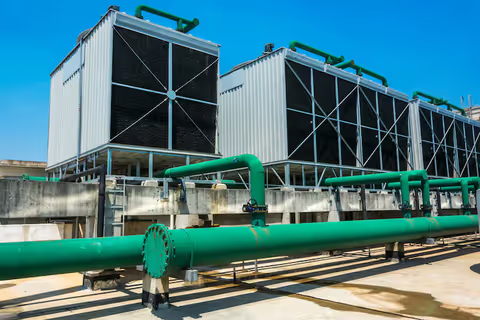
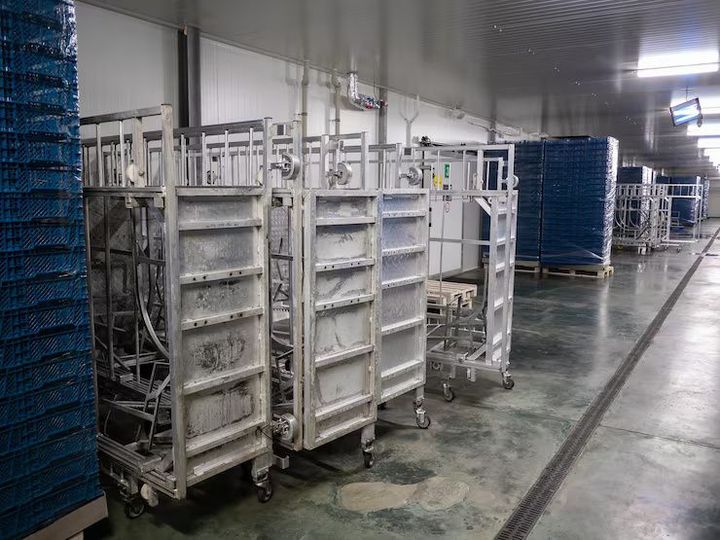
Cold storage equipment includes a variety of components such as refrigeration units, insulated panels, temperature sensors, and airflow systems. Together, these elements help regulate temperature and humidity within a storage space. Understanding how cold storage equipment and functions work can help individuals and businesses handle perishable goods more effectively.
These systems are commonly found in warehouses, supermarkets, hospitals, and transport vehicles. They support the safe handling and storage of products that would otherwise spoil or degrade at normal room temperatures.
Importance
Cold storage equipment and functions are essential for maintaining the quality and safety of temperature-sensitive items. Without proper storage, food can spoil quickly, medicines can lose effectiveness, and certain materials can become unsafe to use.
This topic affects many aspects of daily life. For example, the availability of fresh produce in urban areas often depends on refrigerated storage and transport. Similarly, vaccines and medical supplies require stable temperature conditions to remain effective.
Some of the key challenges addressed by cold storage systems include:
- Temperature control: Preventing fluctuations that can damage stored items
- Shelf life extension: Slowing down the growth of bacteria and other microorganisms
- Supply chain stability: Allowing goods to be transported over long distances
- Waste reduction: Minimizing losses due to spoilage or degradation
By maintaining consistent environmental conditions, cold storage equipment helps reduce waste and supports efficient distribution systems.
Recent Updates
In recent years, cold storage equipment and functions have seen several advancements aimed at improving efficiency and reliability. One noticeable trend is the integration of digital monitoring systems. These systems use sensors and software to track temperature, humidity, and energy use in real time.
Another development is the use of environmentally friendly refrigerants. Traditional refrigerants have been linked to environmental concerns, leading to a shift toward alternatives with lower environmental impact. This change is being adopted across various industries to align with global environmental goals.
Automation is also becoming more common. Automated storage and retrieval systems are used in large warehouses to improve accuracy and reduce manual handling. In addition, energy-efficient designs are being introduced to reduce power consumption while maintaining performance.
Overall, the trend is moving toward smarter, more sustainable cold storage systems that are easier to monitor and maintain.
Laws or Policies
Cold storage equipment and functions are influenced by various regulations, particularly in sectors such as food safety and healthcare. In many countries, government agencies establish guidelines for temperature control, hygiene, and storage conditions.
For example, food safety regulations often require that perishable items be stored within specific temperature ranges. These rules help prevent contamination and ensure that products remain safe for consumption. Similarly, pharmaceutical regulations require strict temperature monitoring to preserve the effectiveness of medicines.
Some common regulatory aspects include:
- Temperature standards: Defined ranges for different types of products
- Monitoring requirements: Use of calibrated devices to track conditions
- Record-keeping: Maintaining logs of temperature data for inspection
- Equipment maintenance: Ensuring systems are functioning correctly
Compliance with these regulations is important for maintaining safety and quality standards across industries.
Tools and Resources
Several tools and resources are available to help understand and manage cold storage equipment and functions. These tools support monitoring, planning, and analysis of storage conditions.
Commonly used tools include:
- Temperature data loggers: Devices that record temperature over time
- Remote monitoring systems: Platforms that allow users to track conditions from a distance
- Energy usage calculators: Tools that estimate power consumption of refrigeration systems
- Maintenance checklists: Templates used to track equipment inspections and upkeep
- Industry guidelines: Documents published by regulatory bodies and professional organizations
The table below shows typical temperature ranges for different types of cold storage:
| Storage Type | Typical Temperature Range |
|---|---|
| Refrigerated storage | 0°C to 4°C |
| Frozen storage | -18°C to -25°C |
| Deep freezing | -30°C and below |
| Controlled atmosphere | Varies based on product |
These tools and references help users better understand how to maintain proper storage conditions and ensure system reliability.
FAQs
What are cold storage equipment and functions?
Cold storage equipment and functions refer to systems and processes used to maintain low temperatures for storing perishable goods. This includes refrigeration units, insulation, and monitoring systems that work together to control the environment.
How do cold storage equipment and functions help food preservation?
These systems slow down the growth of bacteria and reduce spoilage by keeping food at low temperatures. This helps extend shelf life and maintain quality during storage and transport.
What industries rely on cold storage equipment and functions?
Industries such as food distribution, healthcare, agriculture, and logistics rely heavily on cold storage systems. These sectors require controlled environments to protect sensitive products.
What temperature is required for cold storage?
The required temperature depends on the type of product. For example, fresh food is often stored between 0°C and 4°C, while frozen items are kept at temperatures below -18°C.
Are there modern tools to monitor cold storage conditions?
Yes, modern systems include digital sensors, remote monitoring platforms, and automated alerts. These tools help track temperature and ensure consistent storage conditions.
Conclusion
Cold storage equipment and functions are essential for preserving the quality and safety of temperature-sensitive goods. These systems support industries that rely on controlled environments, such as food and healthcare. Advances in technology have improved monitoring, efficiency, and environmental impact. Understanding how these systems work helps individuals and organizations manage storage conditions more effectively. Proper use and regulation of cold storage systems contribute to reduced waste and improved supply chains.