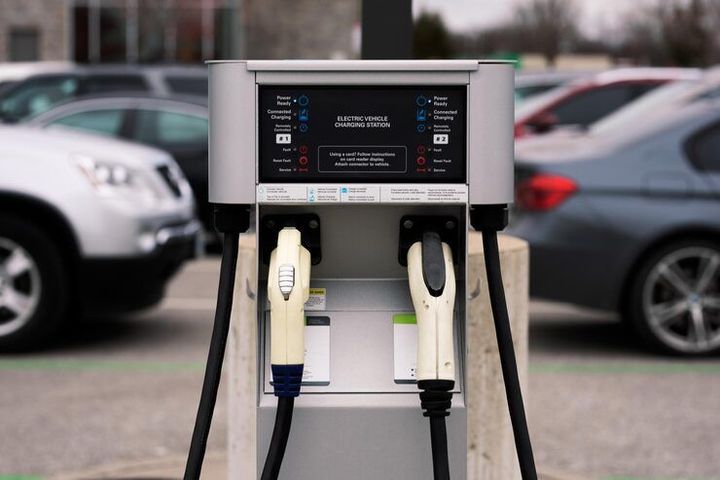
Guide to Understanding EV Charging Station Equipment and Functions
EV Charging Station Equipment plays a central role in supporting electric vehicles (EVs), which are becoming more common as transportation shifts toward cleaner energy sources. These stations are designed to supply electricity to recharge EV batteries, replacing traditional fuel-based systems.
The concept of EV charging infrastructure has evolved alongside advancements in battery technology and environmental awareness. Early charging systems were simple and slow, but modern setups include a variety of equipment types and charging speeds. Today, EV Charging Station Equipment ranges from basic home chargers to advanced public systems capable of delivering high power in short periods.
Understanding how this equipment works helps individuals make sense of how EVs operate in everyday life. It also provides insight into the broader ecosystem of energy use, grid management, and sustainable mobility.
Importance
As more people adopt electric vehicles, access to reliable EV Charging Station Equipment becomes increasingly important. Charging infrastructure directly affects how convenient and practical EV ownership is for daily commuting, long-distance travel, and urban mobility.
This topic matters because it addresses several real-world challenges. Range anxiety, or concern about running out of battery power, can be reduced when users understand how charging stations function and where they are located. Additionally, efficient equipment helps manage electricity demand and supports stable energy distribution.
Different groups are affected by EV charging systems. Individuals rely on them for personal transport, businesses integrate them into parking facilities, and urban planners consider them when designing smart cities. Understanding Industrial EV Charging Equipment is also relevant for large-scale operations such as fleet management and logistics.
Recent Updates
The field of EV Charging Station Equipment has seen steady development in recent years. One key trend is the expansion of fast-charging networks, which aim to reduce charging time and improve accessibility for users on the move.
Another development is the integration of smart charging systems. These systems can communicate with the power grid to optimize electricity use, especially during peak hours. Features such as load balancing and remote monitoring are becoming more common in Industrial EV Charging Equipment.
Wireless charging technology is also being explored, allowing vehicles to charge without direct cable connections. While still developing, it represents a shift toward more convenient charging methods.
Additionally, standardization efforts are improving compatibility between different types of EVs and charging stations. This helps reduce confusion and supports wider adoption of electric vehicles across regions.
Laws or Policies
Governments play a significant role in shaping the development of EV Charging Station Equipment through policies and regulations. These rules often focus on safety, infrastructure expansion, and environmental goals.
In many regions, building codes require new residential or commercial developments to include provisions for EV charging. This ensures that infrastructure keeps pace with growing demand. Public charging stations must also follow safety standards related to electrical systems and user access.
Some governments provide incentives for installing EV charging infrastructure, particularly in urban and semi-urban areas. These programs aim to encourage the use of cleaner transportation options and reduce emissions.
Policies may also define technical standards for connectors, charging speeds, and communication protocols. This ensures consistency across different types of EV Charging Station Equipment and improves user experience.
Tools and Resources
Several tools and resources help individuals and organizations understand and interact with EV Charging Station Equipment more effectively. These tools provide information about station locations, charging compatibility, and energy usage.
Common examples include:
- Charging station locator apps: These platforms help users find nearby EV Charging Station Equipment, check availability, and view connector types.
- Energy consumption calculators: These tools estimate how much electricity an EV uses during charging sessions.
- Network management platforms: Used for Industrial EV Charging Equipment, these systems allow monitoring, scheduling, and performance tracking.
- Government portals: Many official websites provide guidelines, policies, and updates related to EV infrastructure.
- User manuals and technical guides: These documents explain how specific charging equipment operates and how to use it safely.
Basic Components of EV Charging Station Equipment
Understanding the main parts of a charging station can make the topic clearer. Most systems include:
- Power supply unit: Converts electricity from the grid into a form suitable for EV batteries.
- Charging cable and connector: Links the station to the vehicle.
- Control system: Manages charging speed, communication, and safety features.
- User interface: Displays information such as charging status and instructions.
- Protection systems: Ensure safe operation by preventing overheating or electrical faults.
Types of Charging Levels
EV Charging Station Equipment is generally categorized into different charging levels based on speed and power output:
| Charging Level | Power Output | Typical Use Case | Charging Time |
|---|---|---|---|
| Level 1 | Low | Home charging | Several hours |
| Level 2 | Medium | Homes, workplaces | Moderate time |
| DC Fast Charging | High | Public stations | Short duration |
Each level serves a different purpose, depending on how quickly the vehicle needs to be charged and where the station is located.
FAQs
What is EV Charging Station Equipment and how does it work?
EV Charging Station Equipment refers to the hardware used to supply electricity to electric vehicles. It connects to the power grid and delivers energy through a cable and connector to recharge the vehicle’s battery.
What is the difference between residential and Industrial EV Charging Equipment?
Residential equipment is typically smaller and designed for home use, while Industrial EV Charging Equipment supports higher power levels and is used in public areas, fleets, or commercial facilities.
How long does it take to charge an electric vehicle?
Charging time depends on the type of EV Charging Station Equipment, battery size, and current charge level. Faster systems can recharge a battery much quicker than basic home setups.
Are all EV charging stations compatible with every vehicle?
Not all charging stations are universally compatible. Differences in connectors and standards may require adapters or specific equipment types.
Where can I find EV Charging Station Equipment near me?
Users can locate nearby charging stations using dedicated apps or online maps that display station locations, availability, and supported charging types.
Conclusion
EV Charging Station Equipment forms the backbone of modern electric mobility, enabling vehicles to operate efficiently without traditional fuels. Understanding its components, functions, and variations helps individuals navigate the growing EV landscape. As infrastructure continues to expand, familiarity with charging systems supports smoother adoption and everyday use. Ongoing developments and supportive policies are shaping a more connected and energy-aware transportation system.