Guide to Voltage Testing: Analysis, Research, and Emerging Electrical Testing Trends
Voltage testing is the process of measuring or applying electrical voltage to verify that electrical equipment operates safely and according to technical requirements.
It plays an important role in manufacturing, construction, power generation, utilities, transportation, and industrial maintenance. Modern voltage testing equipment is designed to evaluate electrical components before they are placed into operation and during routine inspections.
Electrical engineers and technicians use different instruments depending on the application. An electrical voltage tester may verify whether a circuit is energized, while high voltage testing equipment is used for specialized examinations of transformers, cables, switchgear, and other electrical assets. Dielectric voltage testing is another common procedure used to evaluate the insulation strength of electrical products.
As electrical systems have become more advanced, transformer testing equipment and other diagnostic tools have also evolved to support more accurate measurements and digital recordkeeping.
How Voltage Testing Developed
Early electrical testing relied on basic measuring devices and manual observations. As power systems expanded during the twentieth century, more specialized testing instruments became necessary.
Today, digital electronics, computer-assisted analysis, and automated reporting have improved the accuracy and consistency of electrical measurements. Modern testing equipment can record data, compare results with reference values, and generate inspection reports.
Main Categories of Voltage Testing
Voltage testing generally includes several categories:
- Low-voltage measurements
- Medium-voltage testing
- High-voltage examinations
- Insulation evaluation
- Dielectric voltage testing
- Equipment acceptance testing
- Preventive maintenance inspections
Each method supports different stages of equipment installation and operation.
Importance
Why Voltage Testing Matters
Electrical systems operate safely only when equipment functions within expected electrical limits. Voltage testing helps identify damaged insulation, faulty wiring, loose connections, and other conditions that could affect equipment performance.
Many industries rely on regular inspections to help reduce unexpected equipment failures and improve operational reliability.
Supporting Electrical Safety
Electrical energy can present significant hazards if systems are not properly maintained. Voltage testing helps verify that equipment is functioning within intended operating conditions before it is placed into regular use.
Routine inspection is especially important in industrial facilities, power plants, manufacturing sites, hospitals, transportation infrastructure, and commercial buildings.
Protecting Equipment
Electrical components such as motors, transformers, circuit breakers, generators, and cables represent significant investments. Regular testing helps identify potential problems before they become more serious.
Transformer testing equipment is commonly used during manufacturing, installation, and scheduled maintenance.
Supporting Reliable Power Systems
Power distribution networks depend on many connected components working together. Testing helps confirm that insulation systems, protective devices, and electrical connections continue operating as intended.
Reliable testing contributes to consistent electrical performance across industrial and utility environments.
Common Areas of Application
Voltage testing is widely used in:
- Electrical manufacturing
- Utility power systems
- Renewable energy facilities
- Industrial production plants
- Commercial buildings
- Transportation infrastructure
- Research laboratories
- Educational institutions
Types of Voltage Testing Equipment
Electrical Voltage Tester
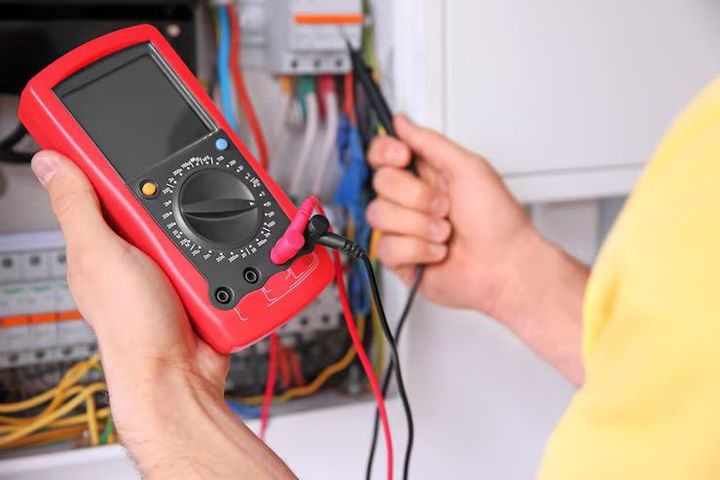
An electrical voltage tester is used to determine whether voltage is present within a circuit. Some models provide simple indication, while others display measured voltage values digitally.
High Voltage Testing Equipment
High voltage testing equipment is designed for applications involving elevated electrical voltages. These systems evaluate insulation performance and overall equipment condition under controlled environments.
Dielectric Voltage Testing Equipment
Dielectric voltage testing applies a specified voltage to insulation systems to determine whether they can withstand electrical stress without breakdown.
This procedure is commonly performed during manufacturing quality verification and maintenance inspections.
Transformer Testing Equipment
Transformer testing equipment measures characteristics such as insulation condition, winding resistance, turns ratio, and electrical continuity.
These examinations help evaluate transformer condition throughout its operational life.
Portable and Laboratory Instruments
Some testing devices are portable for field inspections, while others are laboratory-based for research, certification, and detailed analysis.
Common Voltage Testing Equipment
| Equipment Type | Primary Purpose | Typical Applications |
|---|---|---|
| Electrical voltage tester | Detect electrical voltage | General electrical inspection |
| High voltage testing equipment | Evaluate high-voltage systems | Utilities and manufacturing |
| Dielectric voltage testing equipment | Examine insulation strength | Product verification |
| Transformer testing equipment | Assess transformer condition | Power distribution |
| Digital measurement systems | Record and analyze data | Industrial laboratories |
Recent Updates
Greater Digital Integration
Recent developments have introduced digital displays, cloud-based reporting, and automated measurement recording into voltage testing equipment.
These improvements help simplify documentation while improving measurement consistency.
Wireless Monitoring
Some modern testing systems now support wireless communication for transferring measurement results to computers and inspection databases.
Digital connectivity can improve record organization across larger facilities.
Automation in Testing
Automated testing sequences continue becoming more common in manufacturing environments. Automated equipment performs repetitive measurement procedures with consistent timing and recording.
Automation is especially useful when large numbers of electrical products require identical inspections.
Improved Data Analysis
Modern software platforms increasingly include graphical analysis, trend comparison, and historical record management.
These features help engineers review equipment condition across multiple inspection cycles.
Smart Grid Compatibility
Electrical utilities continue expanding digital monitoring technologies throughout power networks. Testing equipment increasingly supports communication with smart grid monitoring platforms and digital asset management systems.
Laws or Policies
Electrical Safety Regulations
Most countries maintain electrical safety regulations covering installation, inspection, maintenance, and operation of electrical equipment.
Organizations performing voltage testing are generally expected to follow these technical requirements.
International Standards
International organizations publish standards covering testing methods, insulation evaluation, transformer examinations, and laboratory procedures.
Manufacturers and testing laboratories frequently use these standards as technical references.
Workplace Safety Rules
Electrical testing activities often involve energized equipment. Workplace safety regulations normally require protective equipment, appropriate procedures, and documented safety practices.
Personnel conducting high-voltage examinations usually follow established operational guidelines.
Equipment Certification
Certain electrical products undergo standardized testing before entering commercial distribution. Certification procedures vary depending on equipment type and applicable regional requirements.
Tools and Resources
Digital Measurement Software
Software applications help organize measurement records, compare inspection results, and generate technical documentation.
Calibration References
Calibration guidance helps maintain measurement accuracy by comparing instruments with recognized reference standards.
Technical Standards Publications
Engineering standards provide detailed guidance for insulation testing, transformer evaluation, electrical measurements, and laboratory procedures.
Data Logging Systems
Data logging equipment records voltage measurements over time for later analysis.
Long-term records help identify changing equipment conditions.
Engineering Calculation Software
Engineering software assists with electrical calculations, insulation analysis, reporting, and technical documentation.
FAQs
What is voltage testing equipment used for?
Voltage testing equipment is used to measure electrical voltage, evaluate equipment condition, and support electrical safety inspections across many industries.
What is the difference between an electrical voltage tester and high voltage testing equipment?
An electrical voltage tester is commonly used to determine whether voltage is present in a circuit, while high voltage testing equipment performs specialized examinations on equipment operating at much higher voltage levels.
What is dielectric voltage testing?
Dielectric voltage testing evaluates whether electrical insulation can withstand a specified voltage without electrical breakdown under controlled testing conditions.
Why is transformer testing equipment important?
Transformer testing equipment helps evaluate insulation condition, electrical continuity, winding characteristics, and overall transformer performance during manufacturing and maintenance.
Where is voltage testing commonly performed?
Voltage testing is commonly performed in manufacturing facilities, electrical laboratories, utility networks, commercial buildings, industrial plants, renewable energy installations, and educational laboratories.
Conclusion
Voltage testing supports the safe operation and maintenance of electrical systems across many industries. Equipment such as an electrical voltage tester, transformer testing equipment, and high voltage testing equipment provides important information about electrical performance and insulation condition. Continued improvements in automation, digital monitoring, and data analysis are shaping modern testing practices. Understanding voltage testing helps explain how electrical systems are evaluated throughout their operating life.