Horizontal Boring Mills are large industrial machines used to drill, bore, and shape holes in solid materials such as metal, wood, and composites. These machines are commonly found in manufacturing environments where precision and stability are important. Unlike vertical machines, the spindle of a horizontal boring mill is positioned horizontally, allowing it to work on larger and heavier parts more effectively.
The concept of boring machines dates back to early industrial development when there was a need to create precise cylindrical holes in engine components and structural parts. Over time, horizontal designs became more common because they could handle larger workpieces with better balance and control. Today, horizontal boring mills are used in industries such as automotive, aerospace, energy, and heavy equipment production.
These machines operate by rotating a cutting tool against a stationary or movable workpiece. The horizontal orientation allows for better chip removal and easier handling of long or wide materials. As technology has advanced, modern horizontal boring mills now include computerized controls, improved safety features, and enhanced precision capabilities.
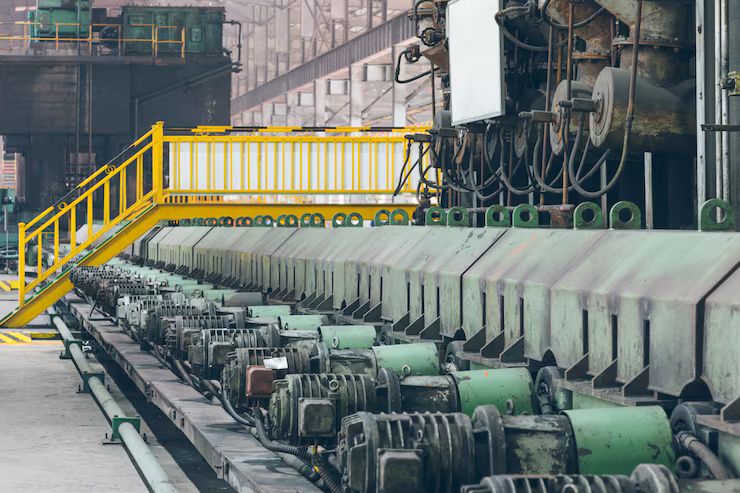
Importance
Horizontal Boring Mills play a key role in modern manufacturing because they enable the creation of precise components used in everyday products and infrastructure. From engines and turbines to construction machinery, many essential items depend on accurately bored holes and surfaces.
One important advantage of horizontal boring mills is their ability to handle large and heavy materials. This is especially useful in industries that produce equipment like cranes, ships, or industrial machinery. The horizontal setup allows for better support of the workpiece, reducing vibration and improving accuracy.
Another reason these machines matter is their contribution to efficiency. By allowing multiple operations such as drilling, milling, and boring in a single setup, they help reduce production time and minimize errors caused by repositioning parts.
Common applications include:
- Engine block manufacturing, where precise cylinder bores are required
- Construction equipment parts, which often involve large metal structures
- Energy sector components, including turbine housings and pipelines
- Aerospace parts, where accuracy and consistency are critical
For everyday people, the importance of horizontal boring mills may not always be visible, but they are essential in producing reliable vehicles, infrastructure, and mechanical systems that support daily life.
Recent Updates
Between 2024 and 2026, several trends have influenced the development and use of horizontal boring mills. One of the most notable changes is the increased integration of digital technologies. Many modern machines now use computer numerical control (CNC) systems, which allow operators to program precise movements and automate complex tasks.
Another update is the growing use of smart monitoring systems. These systems track machine performance, detect potential issues, and provide maintenance alerts. This helps reduce downtime and ensures consistent operation.
Automation has also become more common. In some facilities, horizontal boring mills are connected to robotic systems that load and unload materials. This reduces manual handling and improves safety.
Environmental considerations are also shaping the industry. Manufacturers are focusing on reducing energy consumption and minimizing waste. Newer machines often include features that optimize cutting processes and reduce material loss.
Additionally, there has been an increase in modular machine designs. These designs allow components to be upgraded or replaced more easily, making it simpler to adapt to changing production needs.
Laws or Policies
The use of horizontal boring mills is influenced by various laws and policies related to workplace safety, environmental protection, and industrial standards. These regulations vary by country but generally aim to ensure safe and responsible operation.
In many regions, occupational safety rules require proper training for machine operators. Workers must understand how to handle equipment safely, use protective gear, and follow established procedures. Safety features such as emergency stop systems and protective guards are often mandatory.
Environmental regulations also play a role. Manufacturing facilities using horizontal boring mills may need to manage waste materials, such as metal shavings and cutting fluids, in accordance with local guidelines. Proper disposal and recycling practices are often required to reduce environmental impact.
Standards organizations provide guidelines for machine design and operation. These standards help ensure that machines meet certain levels of performance, reliability, and safety. Compliance with these standards is often necessary for industrial operations.
In some countries, government programs encourage the adoption of advanced manufacturing technologies. These programs may support modernization efforts, including the use of CNC horizontal boring mills and energy-efficient systems.
Tools and Resources
Several tools and resources are available to support the use and understanding of horizontal boring mills. These tools help operators, engineers, and learners improve efficiency and accuracy.
Measurement and Calibration Tools
Accurate measurement is essential in boring operations. Common tools include:
- Digital calipers, used to measure internal and external dimensions
- Micrometers, which provide highly precise measurements
- Dial indicators, used to detect small variations in alignment
Software and Digital Platforms
Modern horizontal boring mills often rely on software for programming and monitoring. Examples include:
- CNC programming software, which allows users to create and simulate machining processes
- CAD (computer-aided design) tools, used to design parts before manufacturing
- CAM (computer-aided manufacturing) systems, which convert designs into machine instructions
Maintenance and Monitoring Systems
To keep machines running efficiently, various monitoring tools are used:
- Condition monitoring systems, which track vibration and temperature
- Predictive maintenance platforms, which analyze data to identify potential issues
- Lubrication management tools, which ensure proper machine operation
Training and Learning Resources
Learning materials are widely available for those interested in horizontal boring mills:
- Technical manuals, which explain machine operation and maintenance
- Online courses, covering machining basics and CNC programming
- Industry forums and knowledge-sharing platforms, where users discuss challenges and solutions
Example Comparison of Machine Types
| Feature | Horizontal Boring Mills | Vertical Boring Machines |
|---|---|---|
| Spindle Orientation | Horizontal | Vertical |
| Suitable for Large Parts | Yes | Limited |
| Chip Removal Efficiency | High | Moderate |
| Workpiece Stability | Strong support | Depends on setup |
| Common Applications | Heavy machinery | Smaller components |
This comparison helps highlight why horizontal boring mills are often chosen for large-scale and heavy-duty tasks.
FAQs
What are horizontal boring mills used for?
Horizontal boring mills are used to drill and shape precise holes in large and heavy materials. They are commonly used in manufacturing industries such as automotive, aerospace, and construction equipment production.
How do horizontal boring mills work?
These machines operate by rotating a cutting tool horizontally into a stationary or movable workpiece. The machine controls the movement of both the tool and the material to achieve accurate results.
What industries rely on horizontal boring mills?
Industries that rely on horizontal boring mills include heavy equipment manufacturing, energy production, transportation, and aerospace. These sectors require precise and durable components.
Are horizontal boring mills automated?
Many modern horizontal boring mills include CNC systems that allow for automated operation. Some facilities also use robotic systems to assist with material handling.
What is the difference between horizontal boring mills and vertical machines?
The main difference lies in the orientation of the spindle. Horizontal boring mills have a horizontal spindle, making them suitable for large and heavy parts, while vertical machines are often used for smaller components.
Conclusion
Horizontal Boring Mills are essential tools in modern manufacturing, enabling precise machining of large and complex components. Their horizontal design allows for improved stability, efficiency, and versatility in various industrial applications. Advances in automation and digital technology continue to enhance their capabilities. Understanding their role helps explain how many everyday products and systems are created with accuracy and consistency.