Hospital Equipment Explained: Basics, Uses and Important Details
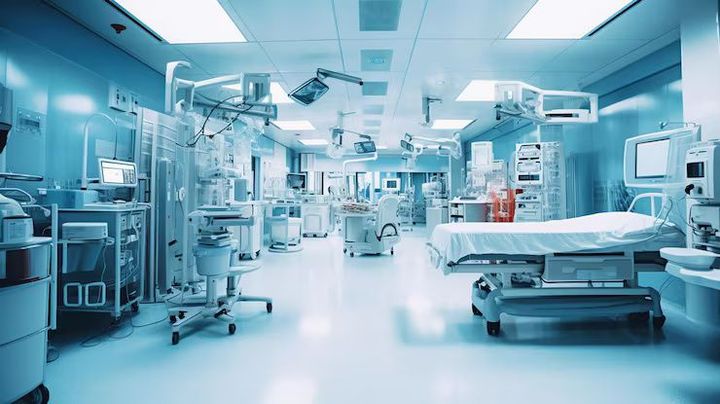
Hospital equipment plays a vital role in modern healthcare by supporting diagnosis, treatment, monitoring, and patient care.
From simple examination tools to advanced imaging systems, different types of equipment help healthcare professionals make informed decisions and improve patient outcomes. Understanding hospital equipment can help patients, caregivers, students, and healthcare workers better appreciate how medical facilities operate.
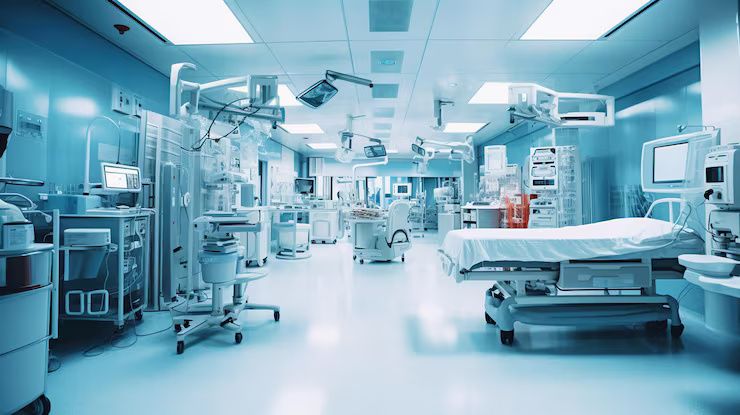
Today, hospitals use a combination of traditional medical devices and digital technologies to improve accuracy and efficiency. As healthcare continues to evolve, hospital equipment also changes with new innovations, updated regulations, and improved safety standards. Learning the basics provides a useful foundation for understanding healthcare environments.
Context
Hospital equipment refers to the medical devices, machines, instruments, and support systems used in healthcare facilities for patient care, diagnosis, monitoring, rehabilitation, and emergency response. These tools range from basic instruments such as thermometers and stethoscopes to advanced systems including MRI scanners and patient monitoring equipment.
The primary purpose of hospital equipment is to help healthcare professionals deliver accurate, timely, and safe medical care. Different departments rely on specialized equipment designed for their specific functions.
Common Types of Hospital Equipment
| Equipment Category | Main Purpose | Typical Examples |
|---|---|---|
| Diagnostic Equipment | Detect health conditions | X-ray machines, MRI scanners, CT scanners |
| Monitoring Equipment | Track patient health | ECG monitors, pulse oximeters, blood pressure monitors |
| Treatment Equipment | Support medical procedures | Ventilators, infusion pumps, dialysis machines |
| Surgical Equipment | Assist during operations | Surgical lights, operating tables, anesthesia machines |
| Laboratory Equipment | Analyze medical samples | Blood analyzers, microscopes, centrifuges |
| Emergency Equipment | Respond to critical situations | Defibrillators, suction devices, emergency stretchers |
Hospitals often combine multiple equipment categories to provide complete patient care from diagnosis through recovery.
Importance
Hospital equipment is essential because it supports healthcare professionals in making accurate clinical decisions while helping improve patient safety. Reliable equipment contributes to efficient medical procedures and supports continuous monitoring of patients with different healthcare needs.
The importance extends beyond hospitals and affects many groups, including:
- Patients receiving diagnosis or treatment
- Doctors and nurses delivering healthcare
- Medical technicians operating specialized devices
- Healthcare administrators managing facilities
- Medical students learning clinical practice
- Researchers studying healthcare technologies
Accurate medical equipment also helps reduce diagnostic uncertainty, improves workflow, and supports better communication among healthcare teams.
Factors That Improve Equipment Effectiveness
Several factors influence how effectively hospital equipment performs:
- Regular maintenance and inspection
- Proper staff training
- Calibration according to manufacturer recommendations
- Compliance with safety standards
- Routine software updates for digital systems
- Appropriate cleaning and infection prevention practices
Healthcare facilities typically establish maintenance schedules to help ensure equipment remains safe and reliable throughout its operational life.
Recent Updates
Hospital equipment has experienced significant technological progress between 2024 and 2026. Healthcare providers continue adopting smarter systems that improve efficiency while supporting patient-centered care.
Important developments include:
- Increased use of artificial intelligence to assist medical imaging interpretation.
- Greater adoption of remote patient monitoring technologies.
- Expanded integration between hospital equipment and electronic health records.
- Improved cybersecurity measures protecting connected medical devices.
- Growth of portable diagnostic equipment for flexible clinical use.
- Enhanced energy-efficient medical equipment designed to reduce environmental impact.
- More robotic assistance during selected surgical procedures.
- Increased use of predictive maintenance software that identifies equipment issues before failures occur.
Many healthcare organizations are also investing in interoperability, allowing different medical devices to exchange information more effectively. This supports faster clinical decision-making while reducing manual data entry.
Digital dashboards now help hospitals monitor equipment performance, maintenance schedules, and device availability in real time.
Laws or Policies
Hospital equipment is regulated through national and international standards designed to protect patient safety and ensure product quality. Manufacturers and healthcare facilities must follow applicable regulations before equipment can be used in clinical environments.
Although regulations vary by country, several common principles apply:
- Medical devices undergo safety and performance evaluations.
- Manufacturers maintain quality management systems.
- Healthcare facilities document maintenance and inspections.
- Staff receive appropriate equipment training.
- Adverse events involving medical devices are reported through established systems.
- Infection prevention procedures are followed for reusable equipment.
Examples of regulatory frameworks include medical device regulations established by national health authorities and internationally recognized standards developed by organizations such as the International Organization for Standardization (ISO) and the International Electrotechnical Commission (IEC).
Hospitals also develop internal policies covering equipment maintenance, documentation, emergency preparedness, and routine safety inspections.
Tools and Resources
Several educational resources help people understand hospital equipment, healthcare technology, and medical device standards.
Useful resources include:
- World Health Organization (WHO) publications on medical devices
- National health ministry websites
- Medical device regulatory authority guidance documents
- Hospital accreditation organization resources
- Biomedical engineering educational platforms
- Healthcare technology journals
- Clinical practice guidelines
- Equipment maintenance checklists and documentation templates
Helpful tools commonly used by healthcare organizations include:
| Tool or Resource | Purpose |
| Maintenance Schedule Template | Track inspection and maintenance dates |
| Equipment Inventory System | Organize hospital equipment records |
| Calibration Log | Document testing and calibration activities |
| Risk Assessment Checklist | Identify equipment-related risks |
| Clinical Guidelines | Support safe equipment use |
| Biomedical Engineering Manuals | Provide technical reference information |
Many educational institutions also provide learning materials explaining medical equipment operation, terminology, and safety principles for students and healthcare professionals.
FAQs
What is hospital equipment?
Hospital equipment includes medical devices, machines, and instruments used to diagnose illnesses, monitor patients, perform treatments, and support healthcare operations.
Why is hospital equipment important?
Hospital equipment helps healthcare professionals provide accurate diagnosis, effective treatment, continuous monitoring, and safer patient care across different medical specialties.
How often is hospital equipment inspected?
Inspection schedules vary depending on equipment type, manufacturer recommendations, healthcare regulations, and hospital maintenance policies. Many devices undergo regular preventive maintenance throughout the year.
What is the difference between diagnostic and monitoring equipment?
Diagnostic equipment helps identify medical conditions, while monitoring equipment continuously tracks a patient's health measurements during treatment or recovery.
How has hospital equipment changed in recent years?
Recent developments include artificial intelligence support, improved digital connectivity, portable medical devices, remote patient monitoring, stronger cybersecurity measures, and better integration with electronic health records.
Conclusion
Hospital equipment forms the foundation of modern healthcare by supporting diagnosis, treatment, monitoring, and patient safety. Understanding the different types of equipment helps explain how hospitals deliver efficient and coordinated medical care.
Technological innovation continues to improve healthcare equipment through digital connectivity, artificial intelligence, and smarter monitoring systems. Alongside these advancements, regulatory standards and routine maintenance remain essential for ensuring safe and reliable operation.
As healthcare evolves, continued education about hospital equipment helps patients, caregivers, students, and healthcare professionals better understand the technologies that support everyday medical practice.