Implant Traceability Systems Insights: Key Trends and Best Practices for Medical Providers
Implant traceability systems are structured methods used to record, identify, and monitor medical implants throughout their lifecycle.
These systems help healthcare organizations track devices from manufacturing and distribution to implantation and long-term patient follow-up. As medical technology has evolved, the need for accurate implant identification systems and medical implant tracking systems has become increasingly important.
Medical implants such as orthopedic joints, cardiac devices, dental implants, and surgical meshes often remain in the body for many years. Because of their long-term use, healthcare providers need reliable ways to document implant details, monitor performance, and respond quickly if a safety concern arises. Implant tracking software and surgical implant tracking software were developed to improve recordkeeping and reduce the risks associated with incomplete documentation.
Modern implant lifecycle management combines digital records, barcode scanning, unique device identifiers, and centralized databases. These tools support healthcare facilities in maintaining accurate information about implanted devices while helping patients receive appropriate care throughout the life of the implant.
Importance
Supporting Patient Safety
One of the primary reasons implant traceability systems exist is to support patient safety. When healthcare providers can accurately identify an implanted device, they can access relevant information about the product and its history. This becomes particularly important if a device requires monitoring, replacement, or investigation.
Medical device traceability solutions help reduce confusion that may occur when implant information is stored in multiple locations or recorded manually. Accurate records can assist healthcare professionals in making informed decisions during follow-up care.
Improving Recall Management
Implant recall management systems play an important role when manufacturers identify defects or safety concerns. Without traceability records, locating affected patients can be difficult and time-consuming.
A structured implant tracking process helps healthcare facilities:
- Identify affected devices quickly
- Locate patient records efficiently
- Communicate relevant information accurately
- Maintain documentation of follow-up actions
Enhancing Inventory Control
Implant inventory management systems help healthcare organizations monitor implant stock levels, expiration dates, and product usage. Better inventory visibility may reduce waste and improve operational efficiency.
Many healthcare facilities integrate implant inventory management systems with implant tracking software so that device information automatically transfers into patient records during procedures.
Supporting Long-Term Care
Orthopedic implant traceability is particularly important because orthopedic devices often remain implanted for many years. Accurate tracking allows healthcare providers to review implant history, evaluate long-term outcomes, and monitor device performance over time.
Recent Updates
Greater Adoption of Unique Device Identification
A significant trend in medical device traceability solutions is the increasing use of Unique Device Identification (UDI) systems. These identifiers provide standardized information about medical devices and can be scanned electronically.
UDI integration helps healthcare providers capture implant information more consistently while reducing manual data entry errors.
Expansion of Digital Tracking Platforms
Healthcare organizations are increasingly moving from paper-based records to digital implant tracking software. Digital systems allow faster access to implant information and support better data sharing among authorized healthcare teams.
Modern platforms often include:
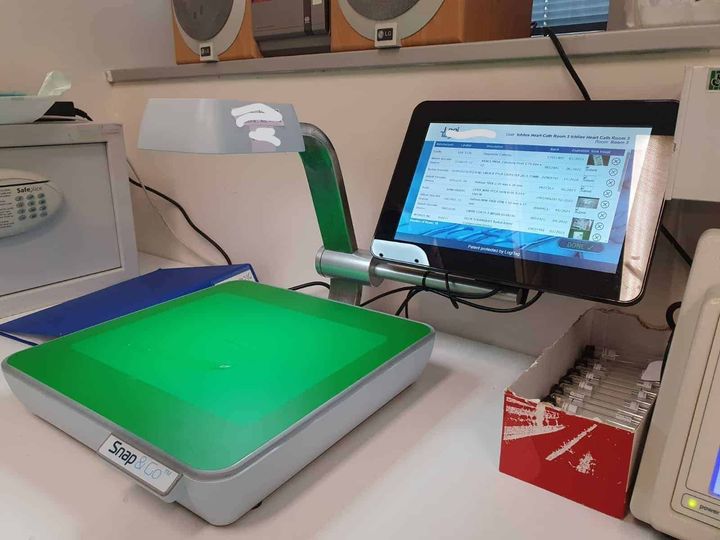
- Barcode scanning capabilities
- Electronic health record integration
- Automated documentation
- Device history tracking
- Recall notification functions
Growth of Data Analytics
Another trend involves using collected implant data for analysis and quality improvement. Implant lifecycle management platforms increasingly include reporting features that help healthcare organizations evaluate device performance patterns and monitor outcomes.
These insights may support clinical decision-making and contribute to broader healthcare research efforts.
Cloud-Based Record Management
Many organizations are adopting cloud-based medical implant tracking systems that allow authorized users to access information securely across multiple locations. This approach supports consistency in recordkeeping and may improve coordination among healthcare providers.
Increased Focus on Cybersecurity
As implant identification systems become more digital, healthcare organizations are placing greater attention on data protection. Secure access controls, encryption technologies, and privacy safeguards are becoming standard components of modern medical implant compliance software.
Common Features in Modern Traceability Systems
| Feature | Purpose |
|---|---|
| Unique Device Identification | Identifies specific implant models and batches |
| Barcode Scanning | Improves data accuracy during documentation |
| Electronic Record Integration | Connects implant records with patient information |
| Recall Monitoring | Helps identify affected devices quickly |
| Inventory Tracking | Monitors stock levels and usage |
| Reporting Tools | Supports quality reviews and audits |
| Lifecycle Documentation | Records implant history from receipt to follow-up |
Laws or Policies
Device Identification Requirements
Many countries have introduced regulations requiring medical devices to carry unique identification information. These rules aim to improve transparency and strengthen medical device traceability solutions throughout the healthcare system.
Unique identification standards help healthcare providers, manufacturers, and regulators maintain consistent records for implanted devices.
Recordkeeping Obligations
Healthcare facilities are often required to maintain accurate records regarding implanted devices. These records may include device identification numbers, manufacturer information, implantation dates, and patient information.
Medical implant compliance software helps organizations manage these requirements while maintaining documentation for audits and regulatory reviews.
Recall Reporting Processes
Regulatory authorities in many regions require manufacturers and healthcare organizations to follow specific procedures when device safety concerns arise. Implant recall management systems support these processes by helping maintain accurate tracking information and documentation.
Data Privacy Regulations
Because implant tracking systems contain patient information, they must comply with privacy and data protection requirements. Organizations using medical implant tracking systems are expected to implement safeguards that protect sensitive health information from unauthorized access.
Quality Management Standards
Healthcare organizations and manufacturers often follow quality management frameworks that emphasize documentation, traceability, and risk management. Implant traceability systems contribute to these objectives by creating a clear record of device movement and usage.
Tools and Resources
Implant Tracking Software Platforms
Implant tracking software provides centralized recordkeeping for implanted devices. These platforms often support barcode scanning, electronic documentation, and reporting functions.
Electronic Health Record Systems
Many healthcare organizations integrate medical implant tracking systems with electronic health record platforms. Integration allows implant information to become part of a patient's permanent medical record.
UDI Databases
Unique Device Identification databases help healthcare providers verify device information and maintain accurate records. These resources support implant identification systems and improve consistency in documentation.
Inventory Management Platforms
Implant inventory management systems assist healthcare facilities in monitoring device availability, expiration dates, and usage patterns. These systems often work alongside surgical implant tracking software to improve documentation workflows.
Audit and Compliance Tools
Medical implant compliance software helps organizations monitor regulatory requirements, maintain records, and prepare documentation for inspections or reviews.
Training Resources
Healthcare organizations frequently use educational materials, policy templates, and procedural guidelines to support staff training on orthopedic implant traceability and other implant tracking processes.
FAQs
What are implant traceability systems?
Implant traceability systems are processes and technologies used to identify, record, and monitor medical implants throughout their lifecycle. They help healthcare providers maintain accurate records and support patient safety.
How do medical implant tracking systems work?
Medical implant tracking systems collect information about implanted devices using identifiers, barcode scanning, and electronic records. The information is stored and linked to patient records for future reference and monitoring.
Why is orthopedic implant traceability important?
Orthopedic implant traceability helps healthcare providers track joint replacements and other orthopedic devices over long periods. Accurate records support follow-up care, outcome monitoring, and recall management if needed.
What is the role of implant inventory management systems?
Implant inventory management systems track device availability, expiration dates, and usage within healthcare facilities. They help maintain accurate inventory records and support efficient documentation during procedures.
How does surgical implant tracking software support compliance?
Surgical implant tracking software helps healthcare organizations document implant details, maintain traceability records, and support regulatory requirements. It can also assist with audits, reporting, and recall-related activities.
Conclusion
Implant traceability systems have become an important component of modern healthcare documentation and patient safety practices. Through medical implant tracking systems, implant tracking software, and implant lifecycle management tools, healthcare organizations can maintain detailed records of implanted devices. Ongoing developments in digital technology, identification standards, and regulatory requirements continue to shape the field of medical device traceability solutions. Accurate documentation, inventory monitoring, and recall preparedness remain central objectives of effective implant traceability programs.