Industrial assembly lines are structured production systems used to manufacture goods through a sequence of organized steps. In these systems, products move along a line where each station performs a specific task, gradually transforming raw materials into finished items. This method became widely known during the early 20th century when manufacturers began adopting standardized production processes to increase output and consistency.
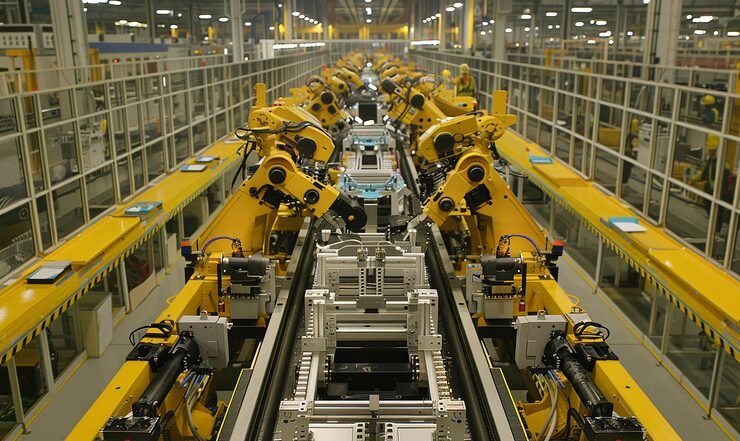
The concept of industrial assembly lines is based on dividing complex manufacturing tasks into smaller, repeatable steps. Each worker or machine focuses on one part of the process, which helps reduce errors and improves efficiency. Over time, assembly lines have evolved from simple manual setups to highly automated systems that incorporate robotics, sensors, and digital monitoring.
Today, industrial assembly lines are used in a wide range of industries, including automotive production, electronics manufacturing, food processing, and packaging. Their design and operation vary depending on the product, production volume, and level of automation required.
Importance
Industrial assembly lines play a significant role in modern manufacturing and daily life. Many everyday products, such as household appliances, vehicles, and electronic devices, are produced using these systems. By organizing production into sequential steps, assembly lines help ensure that goods are made consistently and efficiently.
For businesses, assembly lines support higher production rates and improved quality control. For workers, they provide structured workflows and defined responsibilities. For consumers, they contribute to the availability of standardized products.
Several challenges are addressed through industrial assembly lines. For example, they reduce production time by allowing multiple tasks to occur simultaneously. They also help minimize waste by optimizing material usage and improving precision. In addition, assembly lines can be adapted to meet changing demands, such as producing different product models or adjusting output levels.
Industrial assembly lines also influence supply chains. Efficient production systems help maintain steady product availability, which supports distribution networks and retail systems. When assembly lines are disrupted, it can affect product availability in various markets.
Recent Updates
Recent developments in industrial assembly lines from 2024 to 2026 reflect ongoing advancements in automation, digital integration, and sustainability.
One major trend is the increased use of robotics and artificial intelligence. Modern assembly lines often include robotic arms and automated guided systems that handle repetitive tasks with high precision. Artificial intelligence is used to monitor production, detect defects, and predict maintenance needs.
Another important update is the integration of smart manufacturing technologies. Sensors and connected devices collect real-time data from assembly lines, allowing operators to track performance and identify inefficiencies. This approach, often referred to as Industry 4.0, helps improve decision-making and reduces downtime.
Sustainability has also become a focus in industrial assembly lines. Manufacturers are adopting energy-efficient equipment and reducing material waste. Some assembly lines are designed to recycle byproducts or reuse components, which supports environmental goals.
Flexible assembly lines are becoming more common as well. These systems can switch between different product types with minimal changes, allowing manufacturers to respond to varying market demands. This flexibility is particularly important in industries with frequent product updates, such as electronics and consumer goods.
Laws or Policies
Industrial assembly lines are influenced by various laws and policies that focus on worker safety, environmental protection, and product quality. These regulations vary by country but share common objectives.
Workplace safety regulations require that assembly lines are designed to minimize risks to workers. This includes proper machine guarding, emergency stop systems, and ergonomic workstations. Employers are expected to provide training and ensure that safety procedures are followed.
Environmental regulations address emissions, waste management, and energy usage. Assembly lines must comply with limits on pollutants and follow guidelines for handling materials safely. In some regions, manufacturers are encouraged or required to adopt cleaner production methods.
Product quality standards are also important. Many industries follow specific guidelines to ensure that products meet safety and performance requirements. Assembly lines often include inspection points to verify that products meet these standards before reaching the market.
Government programs may support the modernization of industrial assembly lines by encouraging the adoption of digital technologies and energy-efficient systems. These initiatives aim to improve productivity while reducing environmental impact.
Tools and Resources
A variety of tools and resources are used to design, manage, and improve industrial assembly lines. These tools help ensure smooth operation and consistent output.
Design and Simulation Tools
Manufacturers often use software to plan and simulate assembly lines before implementation. These tools allow engineers to visualize workflows and identify potential issues.
- Computer-aided design (CAD) software helps create detailed layouts of assembly lines
- Simulation platforms model production processes and test different configurations
- Digital twins replicate real assembly lines for monitoring and analysis
Monitoring and Control Systems
Modern assembly lines rely on digital systems to track performance and maintain efficiency.
- Manufacturing execution systems (MES) provide real-time data on production
- Supervisory control and data acquisition (SCADA) systems monitor equipment and processes
- Sensors and Internet of Things (IoT) devices collect data from various points on the line
Maintenance and Quality Tools
Ensuring reliability and product quality is essential in industrial assembly lines.
- Predictive maintenance tools use data to identify potential equipment issues
- Quality inspection systems detect defects during production
- Standard operating procedures guide consistent workflows
Workforce Support Resources
Workers on assembly lines benefit from structured guidance and training tools.
- Instructional manuals outline each step of the process
- Training programs help workers understand equipment and safety measures
- Ergonomic tools reduce strain and improve comfort during repetitive tasks
Example of Assembly Line Stages
Below is a simplified table showing typical stages in an industrial assembly line:
| Stage | Description | Example Activity |
|---|---|---|
| Material Preparation | Raw materials are prepared for use | Cutting, sorting, cleaning |
| Component Assembly | Parts are combined into subassemblies | Attaching components |
| Main Assembly | Subassemblies form the final product | Installing major systems |
| Inspection | Products are checked for defects | Visual and automated checks |
| Packaging | Finished goods are prepared for shipment | Labeling and boxing |
This structure can vary depending on the type of product and production requirements.
FAQs
What are industrial assembly lines used for?
Industrial assembly lines are used to produce goods by dividing manufacturing into sequential steps. Each step focuses on a specific task, which helps improve efficiency and consistency in production.
How do industrial assembly lines improve efficiency?
Industrial assembly lines allow multiple tasks to be performed simultaneously. By organizing work into specialized steps, they reduce production time and help maintain consistent quality across products.
What industries rely on industrial assembly lines?
Many industries use industrial assembly lines, including automotive manufacturing, electronics production, food processing, and packaging. These systems are adaptable to different types of products and production scales.
Are industrial assembly lines fully automated?
Not all industrial assembly lines are fully automated. Some include a mix of manual work and automated systems. The level of automation depends on factors such as product complexity and production volume.
What challenges are associated with industrial assembly lines?
Challenges include maintaining equipment, ensuring worker safety, and adapting to changing production needs. Managing these factors requires careful planning and ongoing monitoring.
Conclusion
Industrial assembly lines are a fundamental part of modern manufacturing, enabling efficient and consistent production across many industries. They have evolved from simple manual systems to advanced setups that incorporate automation and digital technologies. These systems help address challenges such as production efficiency, quality control, and resource management. As technology continues to develop, industrial assembly lines are likely to become more flexible and environmentally conscious while maintaining their central role in production processes.