Industrial automation engineering refers to the use of technology to control and monitor industrial processes with minimal human intervention. It has developed over decades, starting from simple mechanical systems to advanced digital solutions that combine Industrial Automation Software, Industrial Control Systems, and Factory Automation Systems.
In earlier industrial settings, many tasks relied on manual labor and basic machinery. Over time, industries introduced programmable machines to improve efficiency and reduce errors. This shift led to the development of PLC Programming (Programmable Logic Controllers), which allowed machines to follow logical instructions and perform repetitive tasks consistently.
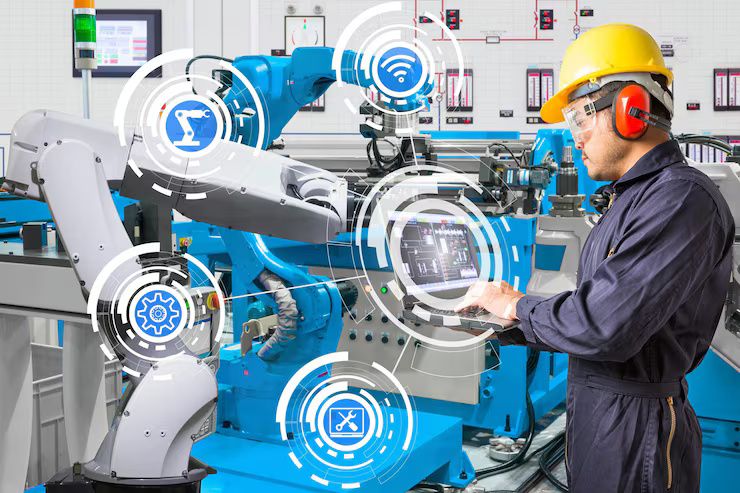
Today, industrial automation integrates multiple technologies, including sensors, software platforms, and Industrial Robotics Integration. These systems work together to manage production lines, monitor performance, and ensure consistent output across manufacturing environments.
Industrial automation engineering exists to make industrial processes more reliable, accurate, and scalable. It plays a central role in sectors such as manufacturing, energy, transportation, and food processing.
Importance
Industrial automation engineering is important because it supports the smooth functioning of industries that produce everyday goods. From packaged food to vehicles and electronics, many products are manufactured using automated systems.
One major benefit is improved efficiency. Automated systems can operate continuously with consistent performance, reducing downtime and variability. For example, Factory Automation Systems can coordinate multiple machines to work together without constant manual supervision.
Another key aspect is safety. Industrial Control Systems can monitor conditions such as temperature, pressure, and machine performance. When irregularities occur, the system can trigger alerts or shut down processes to prevent accidents.
Industrial automation also addresses challenges related to labor shortages and repetitive tasks. Through Industrial Robotics Integration, machines can handle tasks that are physically demanding or require high precision. This allows human workers to focus on planning, supervision, and problem-solving.
The importance of PLC Programming is also evident in modern industries. PLCs act as the “brain” of automated systems, controlling operations based on predefined logic. They are widely used because they are reliable and adaptable to different industrial environments.
Overall, industrial automation engineering helps industries maintain consistent quality, reduce waste, and adapt to changing production demands.
Recent Updates
From 2024 to 2026, industrial automation engineering has continued to evolve with advancements in digital technologies and connectivity.
One major trend is the integration of artificial intelligence with Industrial Automation Software. AI tools can analyze large amounts of production data to identify patterns, predict maintenance needs, and optimize operations. This helps industries reduce unexpected downtime and improve efficiency.
Another development is the expansion of Industrial Internet of Things (IIoT). Sensors and connected devices are now commonly used in Industrial Control Systems to collect real-time data. This data can be accessed remotely, allowing engineers to monitor and adjust systems without being physically present.
Industrial Robotics Integration has also progressed, with robots becoming more flexible and capable of working alongside humans. These collaborative robots, often called “cobots,” are designed to operate safely in shared workspaces.
PLC Programming has seen updates with more user-friendly interfaces and integration with cloud-based platforms. Engineers can now program and monitor PLCs using modern software tools, making the process more accessible.
The following table highlights key trends in industrial automation:
| Area of Development | Description |
|---|---|
| AI Integration | Use of data analysis for predictive maintenance and optimization |
| IIoT Connectivity | Real-time data collection through connected devices |
| Robotics Advancements | Increased use of collaborative robots in production |
| Cloud-Based Systems | Remote monitoring and control of automation systems |
| Software Modernization | Improved Industrial Automation Software with intuitive interfaces |
These updates reflect a shift toward more connected, intelligent, and flexible industrial environments.
Laws or Policies
Industrial automation engineering is influenced by various regulations and standards that ensure safety, quality, and environmental responsibility. These rules vary by country but generally follow similar principles.
In many regions, workplace safety regulations require industries to implement safe operating procedures for automated systems. Industrial Control Systems must include safety mechanisms such as emergency stop functions and protective barriers.
Environmental policies also play a role. Automated systems are often designed to reduce energy consumption and emissions. Governments may set guidelines for energy efficiency, which encourages the adoption of advanced Factory Automation Systems.
Standards organizations such as the International Organization for Standardization (ISO) provide guidelines for automation and robotics. For example, ISO standards related to Industrial Robotics Integration define safety requirements for robots working in industrial settings.
Data security has become increasingly important as Industrial Automation Software connects to networks and cloud platforms. Regulations may require industries to protect sensitive data and ensure secure communication between devices.
In countries like India, industrial policies promote modernization and digital transformation in manufacturing. These initiatives encourage the adoption of automation technologies while maintaining compliance with safety and environmental standards.
Tools and Resources
Industrial automation engineering relies on a range of tools and resources that support design, programming, and system management. These tools help engineers create and maintain automated systems efficiently.
Common types of tools include:
- Industrial Automation Software platforms: These platforms allow engineers to design, simulate, and monitor automated processes. Examples include software used for system visualization and control.
- PLC Programming tools: Specialized programming environments are used to write and test logic for programmable controllers. These tools often support ladder logic, function block diagrams, and structured text.
- Simulation software: Engineers use simulation tools to test Factory Automation Systems before implementing them in real environments. This reduces errors and improves system reliability.
- Robotics programming interfaces: Tools for Industrial Robotics Integration allow users to program robot movements and coordinate tasks with other machines.
- Monitoring dashboards: These tools display real-time data from Industrial Control Systems, helping operators track performance and detect issues quickly.
Some widely recognized platforms in this field include:
- Siemens TIA Portal (for PLC Programming and automation design)
- Rockwell Automation Studio 5000 (for control system development)
- Schneider Electric EcoStruxure (for energy and automation management)
- ABB RobotStudio (for robotics simulation and programming)
These tools are used across industries to support the development and operation of automated systems.
FAQs
What is Industrial Automation Software?
Industrial Automation Software refers to computer programs used to control and monitor industrial processes. It connects machines, sensors, and control systems, allowing operators to manage production efficiently.
How do Industrial Control Systems work?
Industrial Control Systems use sensors, controllers, and actuators to manage industrial operations. They collect data from machines, process it, and send commands to maintain desired conditions.
What is the role of PLC Programming in automation?
PLC Programming involves creating instructions for programmable logic controllers. These controllers manage machine operations by following logical rules, making them essential in Factory Automation Systems.
What is Industrial Robotics Integration?
Industrial Robotics Integration is the process of incorporating robots into automated systems. These robots perform tasks such as assembly, welding, and material handling, often working alongside other machines.
Why are Factory Automation Systems important?
Factory Automation Systems help coordinate multiple processes within a production facility. They improve efficiency, maintain consistent quality, and reduce the need for manual intervention.
Conclusion
Industrial automation engineering plays a central role in modern industry by combining software, control systems, and robotics to manage complex processes. It has evolved from simple mechanical systems to advanced digital platforms that support efficient and reliable operations. Ongoing developments in connectivity, data analysis, and robotics continue to shape the field. Understanding these systems helps explain how many everyday products are produced and how industries adapt to changing demands.