Industrial Automation Units refer to systems and equipment used to control and monitor industrial processes with minimal human involvement. These units combine hardware, software, and communication technologies to manage operations such as manufacturing, packaging, material handling, and quality inspection. They are commonly found in industries like automotive, food processing, pharmaceuticals, and electronics.
The concept of automation has evolved over time. Early industries relied on manual labor and mechanical tools. As technology advanced, machines began to take over repetitive and complex tasks. Industrial Automation Units emerged as a structured way to integrate machines, sensors, and control systems into a coordinated workflow.
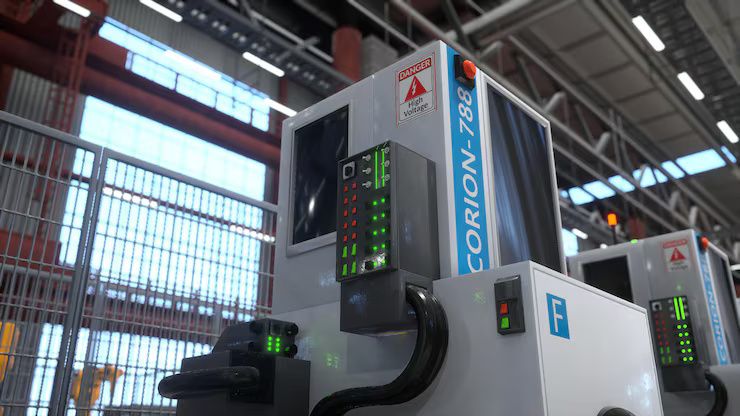
These units typically include programmable controllers, sensors, actuators, and human-machine interfaces. Together, they allow factories and production facilities to operate more consistently and efficiently. Today, automation is closely linked with digital technologies, including data analytics and connectivity, which further enhance its capabilities.
Importance
Industrial Automation Units play a significant role in modern industry. They help improve productivity by reducing manual intervention and enabling continuous operation. This is especially important in environments where precision and consistency are essential.
For everyday consumers, automation indirectly affects the quality and availability of products. Items such as packaged foods, electronics, and household goods are often produced using automated systems. This helps maintain uniform standards and reduces errors.
Automation also addresses several challenges:
- Efficiency improvement: Automated systems can operate around the clock, reducing downtime and increasing output.
- Safety enhancement: Dangerous tasks, such as handling heavy machinery or hazardous materials, can be managed by machines instead of humans.
- Resource management: Automation helps reduce waste by optimizing the use of raw materials and energy.
- Consistency in production: Products manufactured through automated processes tend to have fewer variations.
Another important aspect is workforce transformation. While automation reduces the need for repetitive manual tasks, it increases the demand for skills related to system monitoring, programming, and maintenance. This shift influences education and training requirements in many countries.
Recent Updates
Between 2024 and 2026, Industrial Automation Units have seen several notable developments driven by digital transformation and global demand for efficiency.
Integration with Smart Technologies
Automation systems are increasingly connected to digital networks. This allows real-time monitoring and data analysis. For example, sensors can collect performance data, which is then analyzed to detect inefficiencies or predict maintenance needs.
Use of Artificial Intelligence
Artificial intelligence is being incorporated into automation systems to improve decision-making. AI can analyze patterns in production data and suggest adjustments to improve outcomes. This trend is often associated with the broader concept of “smart factories.”
Expansion of Robotics
Robotic systems are becoming more flexible and adaptable. Modern robots can handle multiple tasks and work alongside humans in collaborative environments. These systems are often integrated into Industrial Automation Units to enhance productivity.
Focus on Sustainability
There is growing attention on reducing environmental impact. Automation systems are being designed to minimize energy consumption and reduce waste. This aligns with global efforts to promote sustainable industrial practices.
Cloud-Based Monitoring
Many automation systems now use cloud platforms for data storage and monitoring. This allows operators to access system information remotely and make informed decisions without being physically present at the facility.
Laws or Policies
Industrial Automation Units are influenced by various regulations and policies, particularly in countries like India, where industrial growth is closely monitored.
Safety Regulations
Governments enforce safety standards to ensure that automated systems do not pose risks to workers. These regulations often require proper installation, regular inspections, and adherence to safety protocols.
Environmental Policies
Industries using automation must comply with environmental guidelines related to emissions, waste management, and energy usage. Automation can help meet these requirements by optimizing processes and reducing waste.
Data Protection Rules
With the increasing use of connected systems, data security has become important. Regulations may require industries to protect sensitive information collected through automated systems.
Industry Standards
Organizations often follow international standards such as ISO guidelines to ensure compatibility and reliability. These standards help maintain consistency across different automation systems.
Government Programs
Some governments promote automation through initiatives aimed at improving manufacturing capabilities. These programs may include training, infrastructure development, and support for adopting advanced technologies.
Tools and Resources
Understanding and managing Industrial Automation Units involves the use of various tools and platforms. These resources help in design, monitoring, and maintenance.
Common Tools Used
- Programmable Logic Controllers (PLCs): These devices control machinery and processes based on programmed instructions.
- Supervisory Control and Data Acquisition (SCADA) systems: These systems monitor and control industrial processes in real time.
- Human-Machine Interfaces (HMIs): These interfaces allow operators to interact with machines and view system data.
- Simulation software: Used to test and optimize automation processes before implementation.
- Data analytics platforms: Help analyze production data to improve efficiency and identify trends.
Example Comparison Table
| Component Type | Function | Common Use Case |
|---|---|---|
| PLC | Controls machinery operations | Assembly lines |
| SCADA | Monitors and supervises processes | Power plants, water systems |
| HMI | Displays system data for operators | Manufacturing control panels |
| Sensors | Detect physical changes | Temperature, pressure monitoring |
| Actuators | Perform physical actions | Moving mechanical parts |
Learning Resources
- Online educational platforms provide courses on automation basics and advanced topics.
- Technical documentation from equipment manufacturers explains system setup and operation.
- Industry publications and research papers offer insights into trends and innovations.
These tools and resources help individuals and organizations understand how automation systems function and how they can be managed effectively.
FAQs
What are Industrial Automation Units used for?
Industrial Automation Units are used to control and monitor industrial processes. They help manage tasks such as manufacturing, packaging, and quality control with minimal human involvement.
How do Industrial Automation Units improve efficiency?
They improve efficiency by automating repetitive tasks, reducing errors, and enabling continuous operation. This leads to more consistent production and better use of resources.
Are Industrial Automation Units replacing human workers?
Automation changes the nature of work rather than completely replacing it. While some manual tasks are reduced, there is increased demand for roles related to system management, programming, and maintenance.
What industries use Industrial Automation Units?
Many industries use these systems, including automotive, electronics, food processing, pharmaceuticals, and energy production. Each industry applies automation based on its specific needs.
What skills are needed to work with Industrial Automation Units?
Skills often include basic programming knowledge, understanding of control systems, and the ability to interpret data. Technical training and education are commonly required.
Conclusion
Industrial Automation Units are an important part of modern industry, enabling efficient and consistent production processes. They combine hardware and software to manage complex tasks with reduced manual involvement. Recent developments, including AI integration and cloud connectivity, continue to shape their evolution. Regulations and standards ensure that these systems operate safely and responsibly. As industries adapt to changing technologies, automation remains a key factor in shaping production and workforce dynamics.