Industrial calibration systems are processes and equipment used to verify and adjust measurement instruments so they produce accurate and reliable readings. These systems compare an instrument’s output against a known reference standard and correct any deviation.
Calibration exists because measurement tools—such as pressure gauges, temperature sensors, flow meters, and electrical instruments—can drift over time due to wear, environmental conditions, or repeated use. Even small inaccuracies can lead to errors in manufacturing, testing, or safety-critical operations.
Industrial calibration ensures that measurements remain consistent, traceable, and aligned with defined standards. It plays a foundational role in industries where precision is essential, including manufacturing, energy, pharmaceuticals, aerospace, and process engineering.
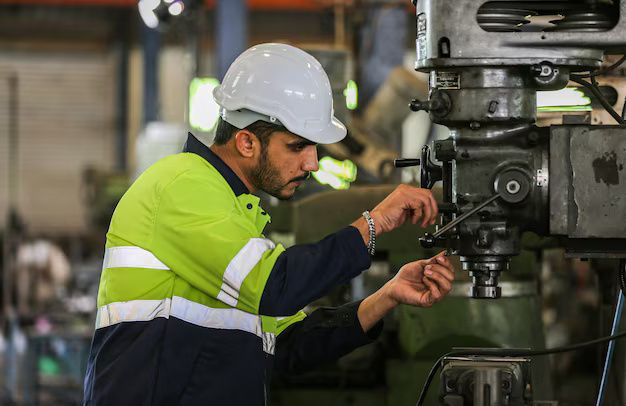
Why Industrial Calibration Systems Matter Today
Calibration systems are essential in modern industries where accuracy directly affects product quality, safety, and operational efficiency.
Key reasons this topic matters today:
- Measurement accuracy: Ensures instruments provide correct readings
- Quality control: Maintains consistency across production processes
- Safety assurance: Prevents failures caused by incorrect measurements
- Regulatory compliance: Meets national and international standards
- Operational efficiency: Reduces errors, rework, and downtime
Industrial calibration affects engineers, quality inspectors, laboratory technicians, production managers, and compliance officers. It helps solve problems such as inconsistent product output, faulty process control, and equipment misalignment.
In sectors like pharmaceuticals and energy, inaccurate measurements can lead to significant operational risks. Calibration systems help maintain reliability and trust in measurement data across all stages of production and testing.
Recent Updates and Industry Trends (2024–2025)
Over the past year, industrial calibration systems have advanced with a focus on precision, traceability, and efficiency.
| Year | Development or Trend | Impact |
|---|---|---|
| 2024 | Increased adoption of automated calibration systems | Improved consistency and reduced manual error |
| 2024 | Enhanced traceability standards | Better alignment with global measurement systems |
| 2025 | Integration of real-time monitoring sensors | Continuous verification of instrument accuracy |
| 2025 | Expansion of portable calibration devices | Greater flexibility for on-site calibration |
Recent developments also include improved uncertainty calculation methods and better environmental compensation techniques. Laboratories and industrial facilities are placing greater emphasis on data traceability, ensuring that every calibration result can be linked to recognized national or international standards.
Laws, Regulations, and Policy Influence
Industrial calibration systems are governed by strict standards and regulatory frameworks that ensure measurement reliability and consistency.
Common standards and regulatory influences include:
- ISO/IEC 17025: Specifies requirements for testing and calibration laboratories
- ISO 9001: Requires calibration of measurement equipment within quality systems
- National metrology institutes: Maintain primary measurement standards
- Industry-specific regulations: Define calibration requirements for sectors such as pharmaceuticals, aerospace, and energy
In countries like India, the United States, and those in the European Union, regulatory bodies emphasize traceability to national standards, documented calibration procedures, and periodic verification of instruments.
Government programs related to quality assurance and industrial standards often promote calibration awareness and best practices to improve manufacturing reliability and global competitiveness.
Tools, Methods, and Resources for Calibration
Industrial calibration involves a combination of specialized tools, reference standards, and procedural methods.
Common calibration tools include:
- Pressure calibrators for gauges and transmitters
- Temperature calibration baths and dry block calibrators
- Electrical calibrators for voltage, current, and resistance
- Flow calibration systems for liquid and gas measurement
- Dimensional measurement tools such as micrometers and gauges
Calibration methods used in practice:
- Comparison method: Comparing instrument readings with a reference standard
- Substitution method: Replacing the instrument with a known standard
- Automatic calibration: Using programmed systems for consistent adjustments
- On-site calibration: Performing calibration directly at the equipment location
| Calibration Type | Measured Parameter | Typical Tool Used |
|---|---|---|
| Pressure calibration | Pressure levels | Pressure calibrator |
| Temperature calibration | Heat and thermal response | Dry block calibrator |
| Electrical calibration | Voltage, current | Electrical calibrator |
| Flow calibration | Fluid movement | Flow calibration setup |
Helpful learning resources:
- Metrology and measurement science textbooks
- National standards laboratory publications
- Engineering quality control manuals
- Calibration procedure templates
- Measurement uncertainty calculation guides
These resources help professionals understand both theoretical concepts and practical calibration techniques.
Precision Techniques in Calibration
Precision is the central objective of calibration systems. Achieving high accuracy requires careful control of multiple factors.
Important precision techniques include:
- Environmental control: Maintaining stable temperature, humidity, and vibration levels
- Traceability: Linking measurements to recognized standards
- Uncertainty analysis: Quantifying possible measurement deviations
- Regular calibration intervals: Ensuring instruments remain accurate over time
- Proper handling: Preventing damage or drift in sensitive instruments
Modern calibration systems often use digital displays, automated adjustments, and data recording methods to improve repeatability and minimize human error.
Frequently Asked Questions
What is the main purpose of industrial calibration?
The main purpose is to ensure that measurement instruments provide accurate and reliable readings.
How often should instruments be calibrated?
Calibration frequency depends on usage, environment, and regulatory requirements, but regular intervals are essential.
What is traceability in calibration?
Traceability means linking measurement results to recognized national or international standards through an unbroken chain of comparisons.
Why is measurement uncertainty important?
It defines the possible variation in a measurement and helps determine confidence in the results.
Can calibration improve equipment performance?
Yes. Accurate measurements support better process control and consistent operational outcomes.
Conclusion
Industrial calibration systems are a critical part of modern engineering and manufacturing. They ensure that measurement instruments operate accurately, supporting quality, safety, and compliance across industries. By combining precise tools, standardized methods, and regulatory alignment, calibration systems maintain the reliability of data that drives industrial decision-making.
As industries continue to demand higher precision and accountability, calibration practices are evolving through automation, improved traceability, and advanced measurement techniques. Understanding these systems provides valuable insight into how accuracy is maintained in complex industrial environments.