Industrial Chillers Guide to Cooling Systems and Their Role in Modern Manufacturing
Temperature control is essential in modern manufacturing, where many industrial processes generate significant amounts of heat.
Excessive heat can reduce equipment efficiency, affect product quality, shorten machine lifespan, and increase operational costs. Industrial chillers help address these challenges by removing unwanted heat and maintaining stable operating temperatures across a wide range of applications.
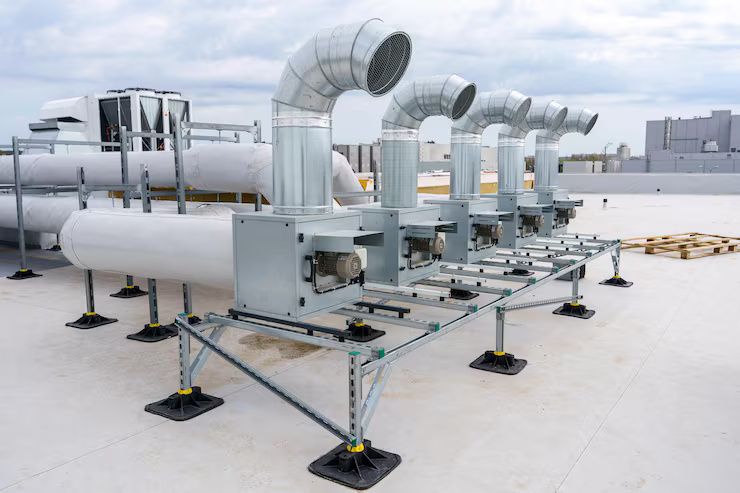
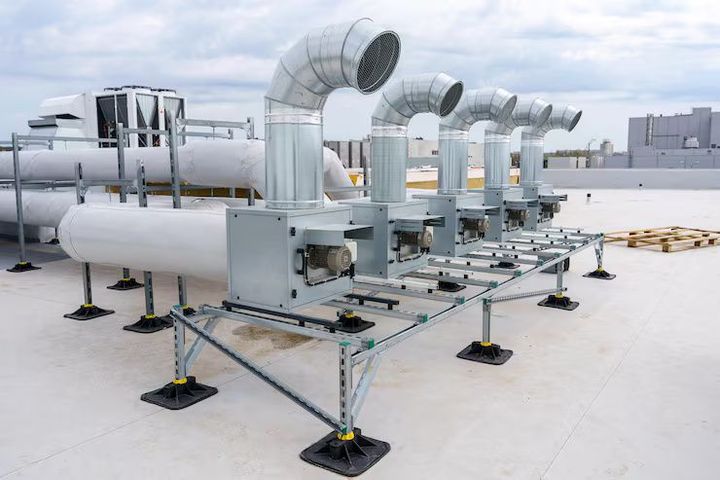
Industrial chillers are widely used in manufacturing facilities, chemical processing plants, food and beverage production, pharmaceutical operations, plastic processing, metal fabrication, and many other industries. By providing reliable cooling, these systems help maintain process consistency, protect valuable equipment, and improve production efficiency.
What really matters is that industrial chillers are more than simple cooling machines. They are integrated systems designed to support continuous operations, precise temperature control, and long-term equipment reliability in demanding industrial environments.
This guide explains the fundamentals of industrial chillers, explores their working principles, discusses major system components, and highlights their role in modern manufacturing.
What Are Industrial Chillers?
Industrial chillers are cooling systems designed to remove heat from equipment, production processes, or liquids and transfer that heat to another medium, such as air or water.
Rather than directly cooling products, chillers usually cool a circulating fluid, which then absorbs heat from industrial equipment or manufacturing processes. This controlled cooling helps maintain stable operating temperatures.
Industrial chillers are commonly used for:
- Manufacturing equipment
- Plastic molding systems
- Laser machines
- Chemical processing
- Food production
- Medical equipment
- Industrial automation
Their versatility makes them an important part of many industrial operations.
Why Cooling Systems Are Important
Industrial equipment often generates continuous heat during operation.
Without effective cooling, excessive temperatures may reduce efficiency, increase wear, interrupt production, and affect product quality. Cooling systems help maintain stable operating conditions while supporting equipment reliability.
Potential benefits include:
- Improved process stability
- Better equipment protection
- Enhanced product consistency
- Increased operational efficiency
- Reduced risk of overheating
The real difference appears when temperature control becomes an integrated part of production management.
How Industrial Chillers Work
Although designs vary, most industrial chillers operate through a similar cooling cycle.
Heat Absorption
A coolant absorbs heat from industrial equipment or circulating process fluid.
Heat Transfer
The refrigerant carries absorbed heat through the system.
Compression
The compressor increases refrigerant pressure and temperature.
Condensation
Heat is released through the condenser.
Expansion
The refrigerant pressure decreases before the cooling cycle repeats.
This continuous process provides consistent cooling for industrial operations.
Main Types of Industrial Chillers
Several chiller configurations are available depending on cooling requirements.
Air-Cooled Chillers
Use ambient air to remove heat from the refrigeration system.
Advantages
- Easier installation
- Lower water requirements
- Suitable for many industrial facilities
Water-Cooled Chillers
Use water to transfer heat through cooling towers or other water systems.
Advantages
- High cooling efficiency
- Suitable for large-scale operations
- Stable performance under continuous loads
Portable Chillers
Compact systems designed for individual machines or temporary cooling applications.
Advantages
- Flexible installation
- Mobility
- Machine-specific cooling
Selecting the appropriate type depends on operational requirements and facility conditions.
Major Components of an Industrial Chiller
Industrial chillers consist of several important components working together.
Compressor
Moves refrigerant throughout the cooling system.
Evaporator
Absorbs heat from process fluids.
Condenser
Releases absorbed heat to air or water.
Expansion Valve
Controls refrigerant flow and pressure.
Pump
Circulates chilled fluid through the cooling system.
Control System
Monitors temperature and regulates system performance.
Each component contributes to overall cooling efficiency and system reliability.
Common Refrigeration Technologies
Industrial chillers may utilize different refrigeration technologies depending on application requirements.
Examples include:
- Vapor compression systems
- Absorption chilling systems
- Hybrid cooling technologies
Each technology offers different operational characteristics and efficiency considerations.
Industrial Applications
Industrial chillers support numerous manufacturing sectors.
Plastic Manufacturing
Maintain mold temperatures during production.
Food and Beverage Processing
Help regulate temperatures during processing and storage.
Pharmaceutical Manufacturing
Support temperature-sensitive production environments.
Chemical Processing
Maintain process stability through controlled cooling.
Laser Equipment
Prevent overheating in precision manufacturing systems.
Metal Fabrication
Support machining and industrial processing operations.
A practical example is cooling injection molding equipment to improve production consistency.
Comparing Air-Cooled and Water-Cooled Chillers
| Feature | Air-Cooled Chiller | Water-Cooled Chiller |
|---|---|---|
| Cooling Medium | Air | Water |
| Installation | Simpler | More Complex |
| Water Requirement | Minimal | Higher |
| Maintenance | Generally Lower | May Require Additional Water System Maintenance |
| Typical Applications | Small to Medium Facilities | Large Industrial Operations |
Understanding these differences helps organizations evaluate suitable cooling solutions.
Energy Efficiency Considerations
Energy consumption is an important factor when operating industrial cooling systems.
Improving efficiency may involve:
- Proper equipment sizing
- Routine maintenance
- Variable-speed drives
- Modern control systems
- Optimized operating schedules
These measures can support efficient operation while helping reduce unnecessary energy consumption.
The real difference appears when cooling performance and energy management are considered together.
Maintenance Best Practices
Regular maintenance helps support reliable chiller operation.
Recommended practices include:
- Inspect refrigerant systems.
- Clean heat exchange surfaces.
- Monitor operating temperatures.
- Check pumps and circulation systems.
- Replace filters as recommended.
- Verify control system performance.
Preventive maintenance may help reduce unexpected downtime and support long-term equipment performance.
Selecting the Right Industrial Chiller
Choosing an industrial chiller involves evaluating several operational factors.
Important considerations include:
- Required cooling capacity
- Process temperature requirements
- Facility size
- Available utilities
- Environmental conditions
- Energy efficiency goals
A practical example is selecting an air-cooled system for a medium-sized manufacturing facility while choosing a water-cooled installation for a large industrial production plant.
Selecting equipment based on operational requirements helps support reliable long-term performance.
Future Trends in Industrial Cooling
Industrial cooling technologies continue advancing through innovation and automation.
Smart monitoring systems increasingly use sensors and connected technologies to provide real-time performance data. Artificial intelligence is helping optimize maintenance scheduling and improve operational efficiency through predictive analytics.
Variable-speed compressors, environmentally friendly refrigerants, and advanced energy management systems continue improving overall performance and sustainability.
Digital integration with industrial automation platforms also enables more precise temperature control and operational monitoring.
What really matters is that these innovations continue making industrial chillers more efficient, reliable, and adaptable to modern manufacturing requirements.
FAQ
1. What is an industrial chiller?
An industrial chiller is a cooling system that removes heat from equipment or industrial processes to maintain controlled operating temperatures.
2. What industries use industrial chillers?
Industrial chillers are commonly used in manufacturing, plastics, food processing, pharmaceuticals, chemical processing, metal fabrication, and medical equipment production.
3. What is the difference between air-cooled and water-cooled chillers?
Air-cooled chillers use ambient air to reject heat, while water-cooled chillers transfer heat through water-based cooling systems.
4. Why is preventive maintenance important?
Routine maintenance helps support reliable operation, improves efficiency, and may reduce unexpected equipment downtime.
5. What factors should be considered when selecting an industrial chiller?
Cooling capacity, process requirements, facility conditions, energy efficiency, available utilities, and maintenance considerations are all important selection factors.
Conclusion
Industrial chillers play a vital role in maintaining stable temperatures across modern manufacturing and industrial operations. By removing excess heat from equipment and production processes, these systems help improve operational efficiency, protect valuable machinery, and support consistent product quality.
From air-cooled and water-cooled systems to advanced automation and energy-efficient technologies, industrial chillers continue evolving to meet the demands of modern production environments. Understanding their components, working principles, maintenance requirements, and applications enables organizations to make informed decisions when implementing effective industrial cooling solutions.