Industrial component machines are specialized equipment used to produce, shape, assemble, or process parts that are later used in larger systems or products. These machines are commonly found in manufacturing environments where components such as metal parts, plastic pieces, electronic elements, or mechanical assemblies are created with precision.
The origin of industrial component machines can be traced back to the early stages of industrialization, when manual labor began to be replaced by mechanized processes. Over time, advancements in engineering, automation, and computing have transformed these machines into highly efficient and accurate systems. Today, they are used in industries such as automotive, aerospace, electronics, construction, and energy.
These machines exist to handle repetitive, complex, or high-precision tasks that would be difficult or time-consuming for humans to perform manually. By standardizing production processes, they help ensure consistency and reliability in the components being produced.
Importance
Industrial component machines play a central role in modern manufacturing and everyday life. Many of the products people use daily such as vehicles, household appliances, smartphones, and infrastructure materials depend on components made by these machines.
One key reason they matter is efficiency. Industrial component machines can produce large volumes of parts within a short time, helping industries meet growing demand. This is especially important in sectors where production timelines are strict and delays can affect entire supply chains.
Another important aspect is precision. Machines such as CNC (Computer Numerical Control) systems can create components with very tight tolerances, which is essential for safety and functionality in industries like aviation or medical devices.
They also address labor-related challenges. Tasks that are repetitive or physically demanding can be handled by machines, reducing the risk of injury and allowing workers to focus on supervision, maintenance, and quality control.
Key challenges these machines help address include:
- Maintaining consistent product quality across large production batches
- Reducing material waste through accurate processing
- Increasing production speed without compromising safety
- Supporting complex designs that require advanced fabrication methods
Recent Updates
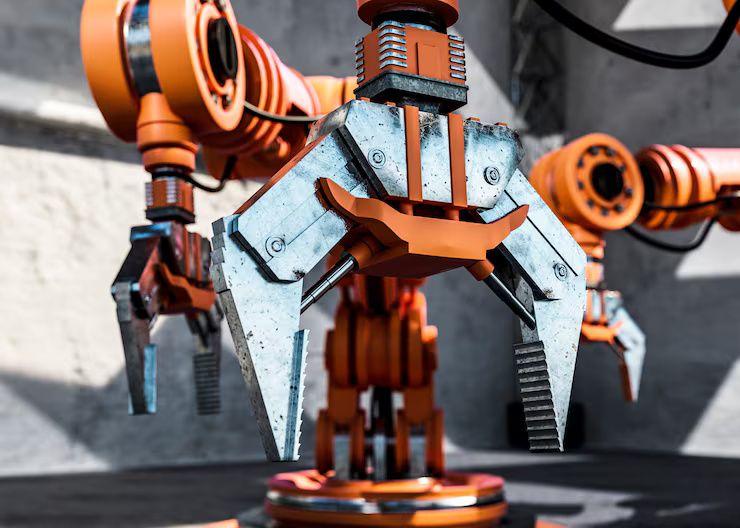
Between 2024 and 2026, industrial component machines have continued to evolve with the integration of digital technologies. One notable trend is the increased use of automation and robotics. Machines are now often connected to centralized systems that allow real-time monitoring and adjustments.
Another development is the adoption of smart manufacturing, sometimes referred to as Industry 4.0. In this approach, machines are equipped with sensors and connected through networks to collect and analyze data. This helps identify inefficiencies, predict maintenance needs, and improve overall performance.
Artificial intelligence is also being introduced in some industrial component machines. AI can assist in optimizing production processes, detecting defects, and adjusting machine settings automatically based on data patterns.
Sustainability has become an important focus as well. Manufacturers are working to reduce energy consumption and material waste by improving machine design and efficiency. Some machines now include features that allow recycling of materials during production.
The following table outlines general trends in industrial component machines:
| Feature/Trend | Description | Impact on Industry |
|---|---|---|
| Automation | Use of robotic systems and automated controls | Increased efficiency and accuracy |
| Smart Connectivity | Machines connected via digital networks | Real-time monitoring and control |
| AI Integration | Data-driven decision-making | Improved quality and reduced errors |
| Energy Efficiency | Reduced power usage and optimized operations | Lower environmental impact |
| Modular Design | Flexible machine configurations | Easier upgrades and maintenance |
Laws or Policies
Industrial component machines are influenced by various laws and policies that ensure safety, environmental protection, and quality standards. These regulations vary by country but generally follow similar principles.
Safety regulations are a primary concern. Governments often require machines to meet specific safety standards to protect workers from hazards such as moving parts, high temperatures, or electrical risks. These standards may include emergency stop systems, protective guards, and proper training requirements for operators.
Environmental policies also play a role. Industrial component machines must comply with rules related to emissions, waste management, and energy consumption. For example, factories may need to limit the release of pollutants or ensure proper disposal of industrial waste.
Quality standards are another important aspect. Organizations such as ISO (International Organization for Standardization) provide guidelines that help ensure components produced by machines meet consistent quality requirements. These standards are particularly important in industries where component failure could have serious consequences.
In some regions, governments also encourage the adoption of advanced manufacturing technologies through programs that support digital transformation and energy efficiency improvements.
Tools and Resources
Various tools and resources are available to support the use and understanding of industrial component machines. These tools help with design, operation, monitoring, and maintenance.
Common categories include:
- Design software: Computer-aided design (CAD) tools are used to create detailed component models before production begins. These models can be directly integrated with machines for automated manufacturing.
- Simulation platforms: These tools allow users to test how a machine or production line will perform under different conditions. This helps identify potential issues before actual production.
- Monitoring systems: Digital dashboards and industrial IoT platforms provide real-time data on machine performance, including speed, temperature, and output quality.
- Maintenance management tools: These systems track machine usage and schedule maintenance activities to prevent unexpected breakdowns.
- Training resources: Online courses and technical manuals help operators understand how to safely and effectively use industrial component machines.
These tools contribute to improved efficiency, reduced downtime, and better decision-making in manufacturing environments.
FAQs
What are industrial component machines used for?
Industrial component machines are used to manufacture individual parts that are later assembled into larger products. These parts can include metal components, plastic pieces, and electronic elements used in various industries.
How do industrial component machines improve production?
They improve production by increasing speed, accuracy, and consistency. Automated processes reduce human error and allow for large-scale manufacturing while maintaining uniform quality.
Are industrial component machines fully automated?
Some industrial component machines are fully automated, while others require human supervision. The level of automation depends on the type of machine and the complexity of the production process.
What industries rely on industrial component machines?
Many industries rely on these machines, including automotive, aerospace, electronics, construction, and energy. Each industry uses them to produce specific types of components needed for their products.
How are industrial component machines changing with new technology?
Industrial component machines are evolving with the integration of digital systems, sensors, and artificial intelligence. These advancements allow for better monitoring, predictive maintenance, and improved production efficiency.
Conclusion
Industrial component machines are a fundamental part of modern manufacturing, enabling the production of precise and consistent parts across many industries. Their development has progressed from basic mechanical systems to advanced, digitally connected equipment. Ongoing trends such as automation, smart connectivity, and sustainability continue to shape their role. Understanding how these machines function and evolve provides insight into how everyday products are created and maintained.