Industrial electrical machines are devices that convert electrical energy into mechanical energy or vice versa. These machines are widely used in factories, power plants, transportation systems, and everyday infrastructure. Common examples include motors, generators, and transformers, all of which play a role in modern industrial processes.
The development of industrial electrical machines began during the industrial revolution when electricity became a practical source of power. Over time, advancements in engineering and materials improved their efficiency, durability, and adaptability. Today, these machines form a key part of automation and large-scale production systems.
At a basic level, industrial electrical machines work using electromagnetic principles. For example, electric motors convert electrical energy into motion, while generators do the opposite by producing electricity from mechanical movement. This ability to convert energy forms makes them essential across many industries.
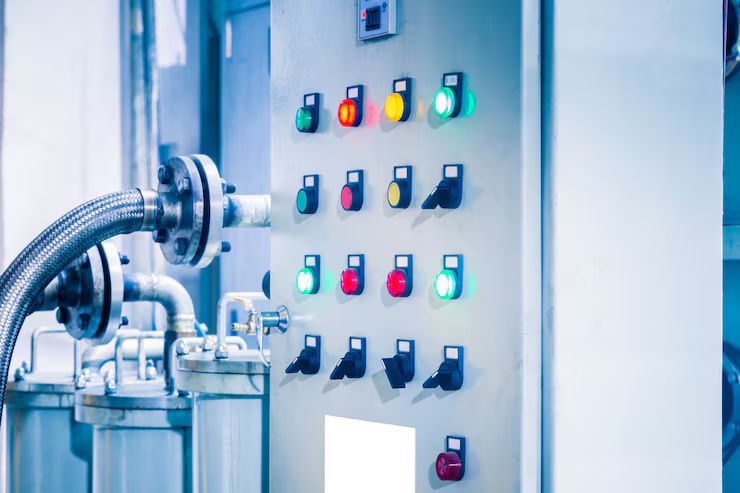
Importance
Industrial electrical machines are important because they support essential operations in manufacturing, transportation, and energy production. Without them, many modern systems would not function efficiently or at all.
Role in Everyday Infrastructure
These machines are not limited to heavy industries. They also play a part in daily life through systems such as elevators, water pumps, and air conditioning units. Their presence ensures that buildings, transportation networks, and utilities operate smoothly.
Support for Industrial Automation
Automation relies heavily on industrial electrical machines. For example, conveyor belts use motors to move products, and robotic arms depend on precise electrical systems to perform tasks. This reduces manual effort and improves consistency in production processes.
Energy Efficiency and Sustainability
Modern industrial electrical machines are designed to use energy more efficiently. This is important as industries aim to reduce energy consumption and environmental impact. Improved designs and materials help minimize energy loss and extend machine lifespan.
Economic and Operational Impact
Industries depend on these machines to maintain productivity. Reliable operation helps reduce downtime and maintain steady output. While they require maintenance and monitoring, their long-term role in supporting industrial systems is significant.
Recent Updates
Recent developments in industrial electrical machines reflect changes in technology, environmental goals, and industrial practices.
Integration with Smart Systems
One of the major trends is the integration of machines with digital monitoring systems. Sensors and software allow operators to track performance in real time. This approach, often called predictive maintenance, helps identify issues before they lead to system failure.
Use of Advanced Materials
New materials, such as improved insulation and lightweight alloys, are being used in machine construction. These materials enhance efficiency and reduce wear over time. They also support higher operating temperatures and improved durability.
Focus on Energy Efficiency Standards
There has been a growing focus on designing machines that meet stricter energy efficiency standards. This includes motors with improved efficiency ratings and systems that reduce energy loss during operation.
Expansion in Renewable Energy Applications
Industrial electrical machines are increasingly used in renewable energy systems. Wind turbines and hydroelectric generators rely on these machines to convert natural energy sources into electricity. This trend aligns with global efforts to reduce reliance on fossil fuels.
Laws or Policies
Industrial electrical machines are influenced by various laws and policies that ensure safety, efficiency, and environmental responsibility. These regulations vary by country but share common objectives.
Safety Standards
Governments and regulatory bodies set safety guidelines for the design and operation of electrical machines. These rules aim to reduce risks such as electrical hazards, overheating, and mechanical failure. Compliance is required in industrial environments to protect workers and equipment.
Energy Efficiency Regulations
Many regions have introduced policies that encourage or require the use of energy-efficient machines. These regulations often define minimum efficiency levels for motors and other equipment. The goal is to reduce overall energy consumption and environmental impact.
Environmental Guidelines
Environmental policies affect how industrial electrical machines are manufactured and used. This includes rules on emissions, waste management, and the use of certain materials. Manufacturers and operators must follow these guidelines to meet environmental standards.
Certification and Compliance
Machines often need to meet specific certification requirements before they can be used in industrial settings. These certifications confirm that the equipment meets safety and performance standards. Regular inspections and documentation are part of maintaining compliance.
Tools and Resources
Various tools and resources help individuals and organizations understand, operate, and maintain industrial electrical machines.
Technical Calculation Tools
Engineers and technicians use calculation tools to determine machine performance. These tools help estimate factors such as power output, efficiency, and load capacity. Examples include motor sizing calculators and energy consumption estimators.
Monitoring and Diagnostic Software
Modern systems include software platforms that monitor machine performance. These tools provide data on temperature, vibration, and energy use. They help identify potential issues and support maintenance planning.
Training Materials and Guides
Educational resources, such as manuals and online courses, explain how industrial electrical machines work. These materials are useful for students, technicians, and anyone interested in understanding the subject.
Standard Reference Documents
Industry standards and technical documents provide detailed guidelines for machine design and operation. These references help ensure consistency and safety across different applications.
Example Comparison Table
Below is a simple comparison of common types of industrial electrical machines:
| Machine Type | Main Function | Common Use Case | Energy Conversion Type |
|---|---|---|---|
| Electric Motor | Converts electrical to mechanical | Conveyor systems, pumps | Electrical → Mechanical |
| Generator | Produces electrical energy | Power plants, backup systems | Mechanical → Electrical |
| Transformer | Changes voltage levels | Power distribution networks | Electrical → Electrical |
| Alternator | Generates alternating current | Vehicles, power generation | Mechanical → Electrical |
FAQs
What are industrial electrical machines used for?
Industrial electrical machines are used to convert energy between electrical and mechanical forms. They are commonly found in manufacturing, energy production, and infrastructure systems such as water supply and transportation.
How do industrial electrical machines work?
These machines operate using electromagnetic principles. For example, motors create motion when electricity flows through coils, while generators produce electricity when mechanical movement interacts with magnetic fields.
Why are industrial electrical machines important in modern industries?
They support automation, improve efficiency, and enable large-scale production. Without these machines, many industrial processes would be slower and less consistent.
What types of industrial electrical machines are most common?
The most common types include motors, generators, transformers, and alternators. Each type has a specific function depending on the application.
How are industrial electrical machines maintained?
Maintenance involves regular inspection, cleaning, and monitoring of performance indicators such as temperature and vibration. Proper maintenance helps extend the lifespan of the machines and reduces the risk of failure.
Conclusion
Industrial electrical machines play a central role in modern industry by enabling the conversion and use of energy in various forms. They support infrastructure, automation, and energy systems that people rely on daily. Advances in technology continue to improve their efficiency and functionality. Understanding their purpose and operation helps provide insight into how many industrial and everyday systems function.