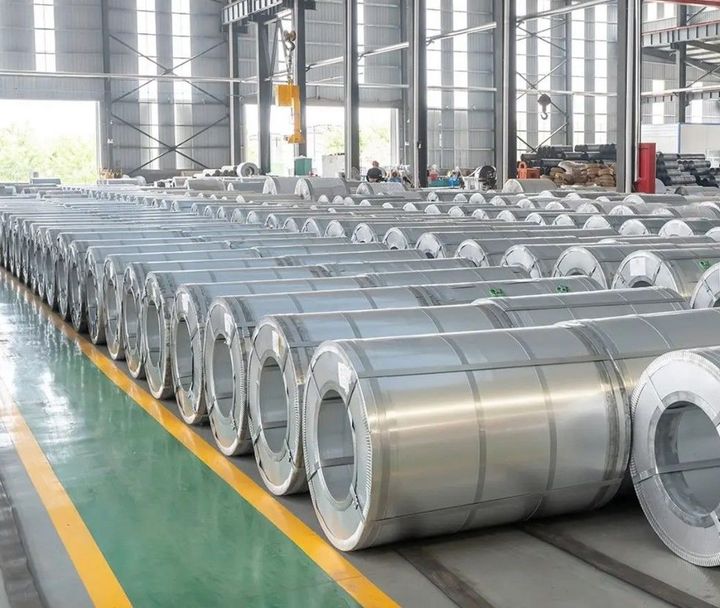
Industrial Galvanizing Overview: Important Details and Modern Industry Practices
Industrial galvanizing is a widely used method for protecting steel from corrosion by applying a layer of zinc to its surface.
This protective treatment helps extend the usable life of steel components that are exposed to moisture, changing weather, chemicals, or demanding industrial environments. Industries such as construction, transportation, energy, agriculture, and infrastructure commonly rely on industrial galvanizing to improve the durability of steel products.
The process is often associated with hot dip galvanizing, where cleaned steel is immersed in molten zinc to create a strong protective layer. Alongside this method, various industrial metal coating techniques are used depending on the intended application. Modern industrial galvanizing plants combine specialized galvanizing equipment, careful process control, and quality inspection to achieve consistent galvanized steel coating results.
Context
Understanding Industrial Galvanizing
Industrial galvanizing refers to a group of processes that apply zinc to steel surfaces as a corrosion protection coating. Zinc acts as a barrier between the steel and the surrounding environment while also providing sacrificial protection if the coating becomes scratched or damaged.
The practice has existed for many decades and continues to evolve with advances in production methods and environmental management. Today, steel galvanizing is considered an important part of steel surface treatment for structures, machinery, pipelines, fencing, electrical components, and transportation equipment.
How the Metal Galvanizing Process Works
Although different methods exist, hot dip galvanizing remains one of the most recognized techniques. The general metal galvanizing process includes several carefully controlled stages.
| Process Stage | Purpose |
|---|---|
| Surface Cleaning | Removes dirt, oil, and contaminants |
| Pickling | Eliminates rust and mill scale |
| Fluxing | Prepares the steel for zinc bonding |
| Zinc Immersion | Creates the galvanized steel coating |
| Cooling and Inspection | Confirms coating quality and consistency |
Modern hot dip galvanizing plants use automated handling systems, temperature monitoring, and inspection procedures to maintain consistent coating characteristics across different steel products.
Equipment Used in Industrial Galvanizing
Several types of metal finishing equipment are commonly found inside an industrial galvanizing plant, including:
- Cleaning tanks
- Pickling tanks
- Flux tanks
- Drying ovens
- Galvanizing kettle systems
- Material handling cranes
- Cooling tanks
- Inspection equipment
- Fume collection systems
A galvanizing kettle manufacturer designs one of the central pieces of equipment used during hot dip galvanizing. The kettle holds molten zinc under carefully controlled operating conditions throughout the production process.
Importance
Why Corrosion Protection Matters
Steel is valued for its strength, but untreated steel can gradually corrode when exposed to water, humidity, salt, and industrial pollutants. Corrosion may reduce structural strength, increase maintenance requirements, and shorten the useful life of equipment.
Applying a galvanized steel coating helps reduce these effects by protecting the underlying steel. This makes corrosion protection coating an important consideration for bridges, utility structures, warehouses, transportation systems, agricultural equipment, communication towers, and outdoor installations.
Industries That Commonly Use Steel Galvanizing
Many sectors depend on industrial galvanizing because steel is widely used in everyday infrastructure and manufacturing.
Common applications include:
- Building frameworks
- Highway guardrails
- Utility poles
- Water treatment facilities
- Renewable energy structures
- Industrial storage systems
- Agricultural machinery
- Transmission towers
- Railway infrastructure
- Marine structures
Long-Term Material Performance
Steel surface treatment contributes to improved durability under a wide range of environmental conditions. Zinc coating services are commonly used when steel components are expected to remain outdoors for extended periods or operate in humid environments.
Because zinc gradually weathers rather than allowing rapid corrosion of the steel beneath, galvanized products often require less frequent maintenance compared with untreated steel in similar conditions.
Recent Updates
Increasing Automation in Industrial Galvanizing Plants
Recent industry trends show growing use of automation throughout industrial galvanizing plants. Automated material handling systems, digital process monitoring, and production tracking help improve consistency while reducing manual handling.
Temperature sensors, automated immersion timing, and inspection systems now assist operators in maintaining stable production conditions across different steel sizes and shapes.
Greater Focus on Environmental Management
Industrial facilities are increasingly adopting improved filtration systems, zinc recovery methods, wastewater treatment technologies, and emission control equipment. These developments help support environmental compliance while improving resource efficiency during the galvanizing process.
Many facilities are also exploring methods that reduce material waste through better process monitoring and improved equipment design.
Modern Equipment Design
Manufacturers continue refining galvanizing equipment with improved insulation, energy management features, and automated control systems. Advances in furnace technology and process controls contribute to more stable operating conditions throughout zinc immersion.
Some industrial facilities are also integrating production data systems that record process information for quality management and operational analysis.
Laws or Policies
Safety and Environmental Regulations
Industrial galvanizing activities are generally governed by workplace safety rules and environmental regulations established by national and regional authorities. These regulations commonly address:
- Air emissions
- Waste handling
- Chemical storage
- Worker safety
- Fire prevention
- Water management
- Industrial inspections
Requirements differ between countries, so facilities must follow the applicable legal framework within their operating region.
Product Quality Standards
Many galvanized steel products are manufactured according to recognized national or international standards. These standards define coating thickness, inspection methods, testing procedures, and material quality requirements.
Organizations such as ASTM International, ISO, and national standards bodies publish technical specifications that are widely referenced throughout the steel industry. These documents help establish consistent measurement methods and quality expectations across different applications.
Workplace Practices
Industrial operations involving molten zinc and chemical preparation require structured workplace procedures. Common practices include employee training, protective equipment, ventilation systems, emergency planning, and regular equipment inspections.
These measures help reduce operational risks while supporting consistent production quality.
Tools and Resources
Industry Standards and Technical Documents
Several technical resources help engineers, manufacturers, inspectors, and students understand industrial galvanizing and steel surface treatment.
Useful resources include:
- ASTM galvanizing standards
- ISO coating standards
- National corrosion guidance documents
- Engineering handbooks
- Steel design manuals
- Corrosion reference publications
These materials explain inspection procedures, coating measurements, testing methods, and recommended engineering practices.
Digital Tools
Various digital resources assist professionals involved in steel galvanizing and industrial metal coating.
Examples include:
- Zinc coating thickness calculators
- Corrosion life estimation tools
- Steel weight calculators
- Engineering unit converters
- Material property databases
- Production planning software
- Quality inspection templates
Many industrial facilities also use digital documentation systems to record inspection measurements and production information throughout the galvanizing process.
Manufacturing Equipment Information
Technical documentation supplied with galvanizing equipment often includes operating guidance, maintenance schedules, safety instructions, and inspection procedures.
Information from a galvanizing kettle manufacturer may also include material specifications, operating temperature ranges, and recommended inspection intervals for kettle maintenance.
FAQs
What is industrial galvanizing?
Industrial galvanizing is a steel protection method that applies a zinc layer to steel surfaces. The zinc coating helps reduce corrosion caused by moisture, weather, and environmental exposure.
How does hot dip galvanizing differ from other steel galvanizing methods?
Hot dip galvanizing involves immersing prepared steel into molten zinc, creating a bonded protective coating. Other steel galvanizing techniques may apply zinc through different manufacturing processes depending on the intended application.
What equipment is commonly found in an industrial galvanizing plant?
An industrial galvanizing plant typically includes cleaning tanks, pickling tanks, drying systems, galvanizing kettles, cranes, cooling areas, inspection stations, and other metal finishing equipment used throughout the production process.
Why are zinc coating services used for steel structures?
Zinc coating services help improve corrosion protection coating performance for steel structures exposed to outdoor conditions, moisture, industrial environments, or marine atmospheres.
What does a galvanizing kettle manufacturer produce?
A galvanizing kettle manufacturer designs and manufactures specialized kettles used to contain molten zinc during the hot dip galvanizing process. These kettles are important components within many hot dip galvanizing plant operations.
Conclusion
Industrial galvanizing plays an important role in protecting steel against corrosion across numerous industries and infrastructure projects. Modern production methods combine advanced galvanizing equipment, process monitoring, and quality standards to create durable galvanized steel coating systems. Continued improvements in automation, environmental management, and steel surface treatment technologies are shaping current industry practices. Understanding the metal galvanizing process provides useful insight into how zinc protection contributes to the long-term performance of steel structures and components.