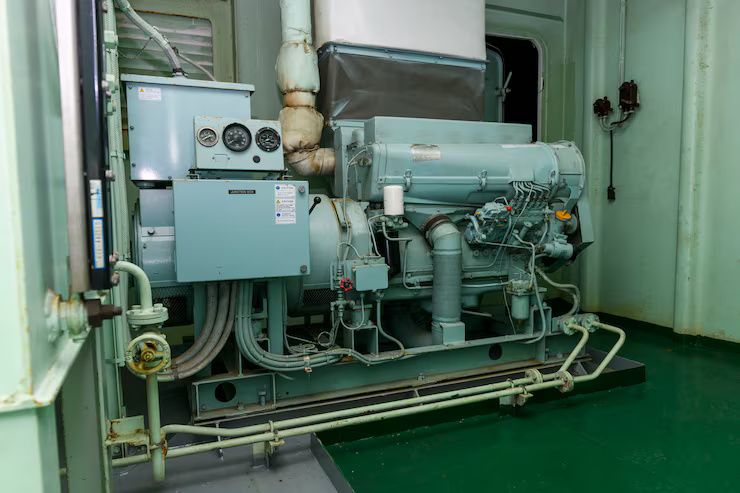
Industrial generator systems are large-scale power generation units designed to produce electrical energy for factories, infrastructure, commercial facilities, and critical operations. These systems convert mechanical energy into electrical energy using engines or turbines connected to alternators.
They exist because many industries require reliable and continuous power supply that cannot depend solely on grid availability. Interruptions in power can disrupt production, damage sensitive equipment, and affect safety systems. Industrial generators provide backup power, peak load support, and in some cases, primary energy generation for remote or energy-intensive operations.
These systems are commonly found in manufacturing plants, data centers, hospitals, construction sites, mining operations, and energy facilities. Their design focuses on durability, consistent output, and the ability to operate under varying load conditions.
Importance: Why Industrial Generator Systems Matter Today
Industrial generator systems are essential in modern economies where uninterrupted power is critical for productivity and safety.
Why this topic matters today:
- Power reliability: Ensures continuous operation during grid outages
- Industrial productivity: Prevents downtime in manufacturing and processing
- Infrastructure support: Maintains essential services such as healthcare and transportation
- Energy security: Provides independent power generation in remote or high-demand areas
- Operational stability: Supports load balancing and peak demand management
These systems affect engineers, plant operators, facility managers, infrastructure planners, and policymakers. They solve problems related to power interruptions, unstable voltage supply, and energy demand fluctuations.
Industries such as oil and gas, heavy manufacturing, telecommunications, logistics, and large commercial complexes rely heavily on generator systems to maintain operational continuity.
Types of Industrial Generator Systems
Industrial generators are categorized based on fuel type, design, and application.
| Type | Primary Energy Source | Typical Application |
|---|---|---|
| Diesel generators | Diesel fuel | Backup power in factories and hospitals |
| Gas generators | Natural gas or biogas | Continuous power and cleaner operation |
| Steam turbine generators | Steam from boilers | Power plants and heavy industry |
| Combined cycle systems | Gas + steam turbines | High-efficiency large-scale plants |
| Portable industrial generators | Fuel-based | Temporary or remote operations |
Each type is selected based on energy availability, operational requirements, and efficiency goals.
Operation Methods: How Industrial Generators Work
Industrial generator systems operate through a sequence of energy conversion processes.
Basic working principle:
- Fuel is supplied to an engine or turbine
- Mechanical energy is generated through combustion or steam pressure
- The alternator converts mechanical motion into electrical energy
- Control systems regulate voltage, frequency, and load distribution
- Output power is delivered to the connected system or grid
Key components involved:
- Engine or turbine
- Alternator
- Fuel system
- Cooling and lubrication systems
- Control and monitoring panels
These components work together to ensure stable power generation under varying load conditions.
Energy Efficiency Insights for Large-Scale Applications
Efficiency is a major focus in industrial generator systems, especially in large-scale operations.
Factors affecting efficiency include:
- Fuel quality and combustion efficiency
- Load management and operating range
- Heat recovery systems
- Maintenance practices
- Generator design and technology
Common efficiency improvement approaches:
- Using combined cycle systems to reuse waste heat
- Optimizing load distribution across multiple generators
- Implementing advanced control systems for real-time adjustments
- Reducing idle running and unnecessary fuel consumption
Higher efficiency not only improves energy output but also reduces environmental impact and operational strain.
Recent Updates: Trends and Developments (2024–2025)
Industrial generator systems have seen important advancements over the past year.
| Year | Development or Trend | Impact |
|---|---|---|
| 2024 | Increased use of hybrid generator systems | Better integration with renewable energy |
| 2024 | Improved emission control technologies | Reduced environmental impact |
| 2025 | Advanced digital monitoring systems | Enhanced performance tracking |
| 2025 | Higher efficiency turbine designs | Improved energy conversion rates |
Recent developments also include better noise reduction systems, compact generator designs, and enhanced durability for continuous operation. Industries are increasingly focusing on low-emission and energy-efficient generation methods.
Laws, Policies, and Regulatory Influence
Industrial generator systems are subject to strict regulations related to safety, emissions, and energy management.
Key regulatory considerations include:
- Environmental regulations: Control emissions such as nitrogen oxides and particulate matter
- Energy efficiency standards: Encourage optimized fuel usage and reduced waste
- Electrical safety codes: Ensure safe installation and operation
- Noise regulations: Limit sound levels in industrial and urban environments
- Government energy programs: Promote cleaner and more efficient power generation
In countries like India, regulations from pollution control boards and energy authorities influence generator design, installation, and operation. Compliance ensures environmental responsibility and operational safety.
Tools and Resources for Better Understanding
Understanding industrial generator systems is supported by technical tools and educational resources.
Helpful tools include:
- Load calculation charts for power requirements
- Fuel consumption estimation tables
- Efficiency comparison graphs
- Maintenance scheduling templates
- Electrical system design guides
Learning resources:
- Mechanical and electrical engineering textbooks
- Industrial energy management publications
- Government energy guidelines
- Training manuals for power system operation
- Industry journals on power generation technology
These resources help professionals and learners understand system performance, planning, and optimization.
Frequently Asked Questions
What is the main purpose of an industrial generator system?
It provides reliable electrical power for large-scale operations, especially during outages or in off-grid locations.
Which type of generator is most commonly used in industries?
Diesel and gas generators are widely used due to their reliability and adaptability.
How is generator efficiency measured?
Efficiency is measured by comparing energy output to fuel input, along with heat loss and operational factors.
Can industrial generators operate continuously?
Yes, many systems are designed for continuous operation with proper maintenance and monitoring.
Why are emission regulations important for generators?
They reduce environmental impact and ensure compliance with air quality standards.
Conclusion
Industrial generator systems are vital for maintaining reliable and efficient power supply in modern industries. Their ability to provide consistent energy supports productivity, safety, and infrastructure stability across multiple sectors.
With ongoing advancements in efficiency, automation, and environmental performance, these systems continue to evolve to meet growing energy demands. Understanding their types, working principles, regulations, and optimization strategies helps professionals and learners make informed decisions in energy management and industrial operations.