Industrial maintenance equipment refers to the tools, machines, and systems used to keep industrial facilities operating smoothly. These facilities may include factories, warehouses, power plants, and processing units. The equipment supports routine inspection, repair, cleaning, and upkeep of machinery and infrastructure.
Historically, maintenance tasks were performed manually using basic tools. As industries expanded during the industrial revolution, more complex machines required specialized equipment for upkeep. Over time, technological advancements introduced automated and digital maintenance tools that improved accuracy and efficiency.
Today, industrial maintenance equipment includes a wide range of items such as diagnostic devices, lubrication systems, cleaning machines, and predictive monitoring tools. These tools are designed to prevent breakdowns, extend equipment lifespan, and ensure safe operations.
Understanding this topic helps readers grasp how industries maintain continuous production while minimizing disruptions. Even for non-technical audiences, the concept is relevant because it influences product availability, workplace safety, and environmental practices.
Importance
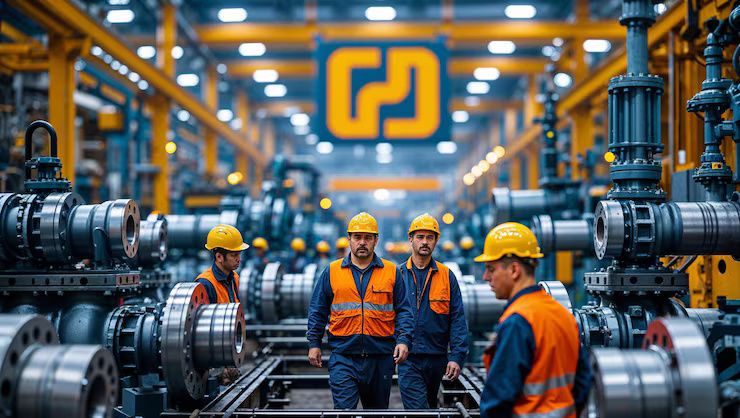
Industrial maintenance equipment plays a crucial role in modern industries. It directly affects productivity, safety, and operational stability. Without proper maintenance tools, machinery can fail unexpectedly, leading to downtime and potential hazards.
One key reason this topic matters is safety. Poorly maintained equipment can cause accidents that affect workers and nearby communities. Maintenance tools help detect issues early and reduce risks.
Another important aspect is efficiency. Industries rely on consistent output, and maintenance equipment ensures machines operate at optimal levels. This reduces delays and supports smoother workflows.
Environmental impact is also a concern. Equipment that is not properly maintained may consume more energy or release higher emissions. Maintenance tools help monitor performance and reduce waste.
For everyday people, the impact may not always be visible, but it affects product availability, energy supply, and infrastructure reliability. Industries that use proper maintenance practices are more likely to provide stable and consistent outputs.
Recent Updates
Between 2024 and 2026, industrial maintenance equipment has seen several notable developments driven by digital transformation and sustainability goals.
One major trend is the adoption of predictive maintenance. This approach uses sensors and data analysis to identify potential issues before they become serious problems. Instead of reacting to breakdowns, industries can plan maintenance activities in advance.
Another development is the integration of Internet of Things (IoT) technology. IoT-enabled devices collect real-time data from machines and send it to centralized systems. This allows operators to monitor performance remotely and make informed decisions.
Automation has also expanded in maintenance processes. Robotic systems are increasingly used for inspection and cleaning in hazardous environments, reducing human exposure to risks.
Sustainability has influenced equipment design as well. Many modern tools focus on reducing energy consumption and minimizing environmental impact. For example, advanced lubrication systems use precise amounts of material, reducing waste.
Digital platforms have improved record-keeping and analysis. Maintenance logs are now often stored electronically, making it easier to track equipment history and identify patterns.
Overall, the trend is moving toward smarter, data-driven maintenance systems that enhance reliability and reduce manual effort.
Laws or Policies
Industrial maintenance equipment is influenced by various regulations and policies that aim to ensure safety, environmental protection, and operational standards.
In many countries, occupational safety laws require regular inspection and maintenance of industrial machinery. These laws are enforced by government bodies and may include guidelines on equipment condition, worker training, and reporting procedures.
Environmental regulations also play a role. Industries must maintain their equipment to meet emission standards and reduce pollution. Maintenance tools help monitor compliance with these requirements.
In India, for example, regulations under the Factories Act and environmental protection laws require industries to maintain safe working conditions and control emissions. Maintenance equipment supports these objectives by enabling regular checks and timely repairs.
International standards, such as those developed by organizations like ISO, provide guidelines for maintenance practices. These standards help industries maintain consistency and improve operational quality.
Compliance with these rules is essential for maintaining safe and responsible industrial operations. Maintenance equipment is a key component in meeting these requirements.
Tools and Resources
A wide variety of tools and resources are available to support industrial maintenance activities. These tools range from basic handheld devices to advanced digital systems.
Common Types of Equipment
Industrial maintenance equipment can be categorized based on its function:
- Inspection tools include thermal cameras, vibration analyzers, and ultrasonic detectors used to identify issues in machinery
- Cleaning equipment includes pressure washers, vacuum systems, and chemical cleaning devices for removing debris and contaminants
- Lubrication tools include grease pumps and automated lubrication systems that ensure proper machine operation
- Repair tools include wrenches, drills, and specialized machinery for fixing damaged components
- Monitoring systems include sensors and software platforms that track equipment performance
Digital Platforms
Modern maintenance relies heavily on digital tools. Examples include:
- Computerized Maintenance Management Systems (CMMS), which track maintenance schedules and records
- Enterprise Asset Management (EAM) software, which manages the lifecycle of industrial assets
- Data analytics platforms that process sensor data and identify patterns
Example Data Table
Below is a simple comparison of common types of industrial maintenance equipment and their functions:
| Equipment Type | Primary Function | Example Use Case |
|---|---|---|
| Thermal Camera | Detect heat variations | Identifying overheating motors |
| Vibration Analyzer | Measure machine vibrations | Detecting imbalance in rotating parts |
| Pressure Washer | Clean surfaces and machinery | Removing dirt from equipment |
| Lubrication System | Apply lubricants efficiently | Maintaining moving components |
| CMMS Software | Track maintenance activities | Scheduling inspections |
Training Resources
Educational platforms and technical institutes provide training on how to use industrial maintenance equipment effectively. These resources help workers understand proper procedures and safety measures.
Online documentation, manuals, and tutorials also play a role in helping users learn about equipment operation and maintenance techniques.
FAQs
What is industrial maintenance equipment?
Industrial maintenance equipment includes tools and systems used to inspect, repair, clean, and monitor machinery in industrial settings. These tools help ensure smooth and safe operations.
Why is industrial maintenance equipment important?
Industrial maintenance equipment is important because it helps prevent machine failures, improves safety, and supports efficient production processes.
What are common types of industrial maintenance equipment?
Common types include inspection tools, cleaning machines, lubrication systems, repair tools, and monitoring devices. Each type serves a specific function in maintaining machinery.
How has industrial maintenance equipment changed in recent years?
Recent changes include the use of IoT technology, predictive maintenance systems, and digital platforms that allow real-time monitoring and data analysis.
Who uses industrial maintenance equipment?
Industrial maintenance equipment is used by technicians, engineers, and facility operators in industries such as manufacturing, energy, and logistics.
Conclusion
Industrial maintenance equipment is an essential part of modern industrial operations. It supports safety, efficiency, and environmental responsibility by ensuring machinery functions properly. Recent developments have introduced smarter and more connected tools, making maintenance more proactive and data-driven. Regulations and standards continue to shape how equipment is used and maintained. Understanding this topic provides insight into how industries sustain reliable and consistent operations.